
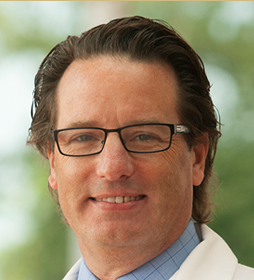
John J. Cascone, MD, FACS, is a distinguished figure in the medical community, whose journey from the boardroom to the operating room exemplifies a relentless pursuit of excellence and a deep commitment to patient care. Born on August 9, 1964, in Atlanta, Georgia, Cascone’s early life was steeped in an environment that valued academic achievement and service, with a father holding a Ph.D. and a mother practicing as a registered nurse. His leadership qualities were evident early on, serving as Vice President of his Junior and Senior classes at Marist School in Atlanta, where he also showcased his athletic prowess on the football field.
Graduating from the University of Georgia in 1986, Cascone’s initial career trajectory pointed towards aviation, where he was only 1 of 350 applicants to achieve a pilot slot in the navy that year. Unfortunately, a vision issue redirected his path where he ventured into the healthcare industry. He started in marketing at a local hospital in Atlanta, quickly ascending the ranks to become the youngest CEO at National Medical Enterprise (now Tenet Healthcare) at the age of 28, overseeing psychiatric and substance abuse hospitals.
At 31, Cascone embarked on a bold new chapter, pursuing a medical degree from Saba University School of Medicine, followed by rigorous training in general surgery at the Guthrie Clinic and the University of Medicine and Dentistry of New Jersey, where he was honored as Resident of the Year in 2004. He was awarded for his ability to instruct those medical students and residents under his tutelage. His passion for surgery led him to become the second busiest robotic surgeon in the Northeast Florida region, with nearly 1000 cases to his name. Cascone has held prestigious roles such as Chief of Staff, Chief of Surgery, and Director of the Credentials Committee, demonstrating a comprehensive understanding of both the administrative and clinical sides of healthcare.
Beyond his professional achievements, Cascone is an avid supporter of coral reef conservation, aligning with organizations like 4Ocean to protect these vital ecosystems. His hobbies include cars, scuba diving, traveling, and collecting athletic memorabilia, reflecting a life lived with zest and curiosity.
Cascone’s journey is a testament to the power of persistence, the importance of seeking alternatives in patient care, and the value of a realistic yet passionate approach to medicine. His contributions extend beyond the operating room, impacting the lives of those he serves and inspiring future generations in the medical field.
What is your typical day, and how do you make it productive?
My typical day revolves around a core principle: productivity through engagement and strategic management. I start my day by interacting with patients and their families. This interaction is not just routine; it grounds me, giving me a vivid perspective on the direct impact of my work. It’s a powerful motivator to keep pushing for excellence. To ensure that my team and I remain on this path, I delegate tasks strategically. This approach lets us operate with high efficiency, allowing me to concentrate on critical aspects like decision-making and performing surgical procedures. At the end of the day, I review our accomplishments and set goals for the next day, always keeping in mind the importance of involving families in our care plans. This cycle of reflection and forward planning keeps us moving towards continuous improvement.
How do you bring ideas to life?
Bringing ideas to life is a dynamic process for me. It goes beyond the initial brainstorming or pilot projects. I lay out clear, measurable objectives and set timelines for implementation. By conducting regular reviews of our progress and making necessary adjustments, I keep the team aligned and motivated. Additionally, engaging with the healthcare community and patients for feedback ensures that our innovations are practical and meet actual needs. Having served as the chairman of the Performance Improvement Committee for several years, I’ve dedicated myself to fostering a culture of continuous enhancement in our medical system.
What’s one trend that excites you?
One trend that truly excites me is the advancement in robotic surgery. This technology has the potential to make high-quality surgical care accessible to diverse populations, regardless of geography or economic status. The integration of artificial intelligence with robotic surgery is set to further refine surgical precision and outcomes, marking a significant step towards equitable healthcare delivery. It’s important to me that access to surgery is determined by need, not insurance coverage; this technology aligns perfectly with that belief.
What is one habit that helps you be productive?
A personal habit that significantly boosts my productivity is list-making. It’s not just about organizing tasks; it provides a tangible sense of progress as I check off completed items. This method helps me prioritize effectively, ensuring that crucial tasks get addressed promptly. It also encourages a proactive stance towards my work, reducing stress and eliminating last-minute scrambles. Being naturally inclined towards organization and task completion, this habit feels like a natural extension of my approach to both my professional and personal life.
What advice would you give your younger self?
If I could share advice with my younger self, it would start with the importance of patience. I’ve learned that achieving success and mastering any field, especially in surgery, doesn’t happen overnight. It’s essential to appreciate every learning opportunity, whether it comes from triumphs or setbacks. Setbacks, in particular, have been invaluable lessons for me. While it’s crucial to have a clear goal, the journey towards it isn’t always straightforward. Being adaptable has been my most valuable skill, allowing me to navigate the unpredictable nature of my career. The support and wisdom I received from colleagues have been instrumental in my continual growth as a surgeon.
Tell us something you believe almost nobody agrees with you on?
One belief of mine that seems to go against the grain is the potential of integrating knowledge from outside the realm of medicine to address long-standing healthcare challenges. I’ve found that empathy plays a critical role in healing, a fact that is often overlooked but can dramatically improve patient care. Despite the advancements in medical technology, I firmly believe that these will never overshadow the need for compassionate care that centers on the patient. Facing death is an inevitable part of medicine, but treating patients and their families with dignity and respect can make this difficult journey more bearable.
What is the one thing you repeatedly do and recommend everyone else do?
A practice I’ve adopted and encouraged everyone around me to engage in is fostering a culture of lifelong learning within my team. It’s not just about expanding our knowledge base but also about continuously reflecting on what we’ve learned to facilitate both personal and professional growth. Sharing these insights further enriches our collective understanding and drives innovation. Today’s medical field, especially for surgeons, is ever-evolving, and staying attuned to these changes is crucial. I take the responsibility of guiding young surgeons in their formative years very seriously, ensuring they’re equipped to face the challenges ahead.
When you feel overwhelmed or unfocused, what do you do?
Whenever I feel overwhelmed or lose focus, I turn to physical activity. It serves not just as an escape but as a means to spark creativity and problem-solving. Engaging in discussions with trusted colleagues also helps me gain new perspectives, often leading to simple solutions for complex issues. This strategy underscores the importance of maintaining a balance between my professional duties and personal well-being, a balance that is essential for anyone in a high-stress profession like mine.
What is one strategy that has helped you grow your business or advance in your career?
One strategy that has significantly impacted my business growth and career advancement is fostering a culture of trust and collaboration, particularly within the healthcare sector. This approach has been crucial in navigating the complexities of healthcare and has allowed me to participate in pioneering projects like the Trauma Quality Improvement Program (TQIP), thereby enhancing my professional standing and contributing meaningfully to the field. By maintaining active engagement with the healthcare community, I’ve identified and leveraged opportunities for innovation and leadership. Given the rapid evolution of medicine, it’s imperative for us as surgeons to keep up with current literature and challenge it when necessary.
What is one failure in your career, how did you overcome it, and what lessons did you take away from it?
Regarding failures, a profoundly impactful moment in my career was the loss of a young adult patient on the operating table. The experience of having to speak with her family afterward not only deepened my empathy but also fueled my commitment to excel in my practice. This incident underscored the importance of resilience, learning from failure, and maintaining optimism when pivoting towards new opportunities. It taught me the significance of humility and the strength found in a supportive community to overcome challenges. These moments of failure have been pivotal, shaping my approach to healthcare and leadership with a more empathetic and comprehensive perspective. They remind me that while not every battle can be won, the broader war towards better healthcare outcomes must have victors.
What is one business idea you’re willing to give away to our readers?
I would propose the idea of establishing a specialized telemedicine service specifically designed for post-operative care and recovery. This innovative platform would utilize cutting-edge technology to provide patients with virtual follow-ups, personalized recovery plans, and direct access to their surgical teams, including physiotherapy guidance.
What is one piece of software that helps you be productive? How do you use it?
In terms of productivity, integrating Evernote into our team’s routine has markedly improved our efficiency and project management capabilities. Its adaptability to diverse project requirements, from patient care initiatives to administrative tasks, has made it an essential tool in my daily operations. Evernote’s cross-device accessibility ensures that critical information is readily available, aiding in decision-making and collaboration.
Do you have a favorite book or podcast you’ve gotten a ton of value from and why?
Absolutely, one book that profoundly influenced me is “Being Mortal” by Atul Gawande. This book explores the role of medicine when it comes to dealing with mortality, placing a strong emphasis on the quality of life over mere survival. Reading it profoundly deepened my understanding of how critical patient care is, particularly when making surgical decisions or considering end-of-life care. “Being Mortal” challenged me to adopt a more holistic approach in my practice, prioritizing a patient’s comfort and dignity as much as the traditional objectives of medicine. Atul Gawande’s insights have been instrumental in encouraging a more compassionate dialogue around aging and dying—topics often sidelined in medical training. This book is a vital tool for anyone in the medical field, navigating the intricate balance of human needs at the end of life.
What’s a movie or series you recently enjoyed and why?
I recently found “The Good Doctor” to be an engaging series. Its depiction of the medical profession, with its myriad challenges and victories, resonated deeply with my own experiences. The series beautifully illustrates the diversity of thought and approach within the field of medicine, underscoring the unique contributions every individual makes to patient care. “The Good Doctor” is not just entertaining; it educates and inspires by highlighting the critical roles of empathy, innovation, and resilience in overcoming both personal and professional hurdles. It also offers a nuanced exploration of its characters’ personal growth within their professional paths, providing a relatable view of the complexities involved in healthcare. This series serves as a powerful reminder of how personal adversities can influence one’s medical practice, ultimately enhancing patient care.
Key learnings:
- Ability to navigate career transitions and the importance of continuous education and flexibility in the ever-evolving field of medicine.
- A deep commitment to enhancing surgical care and patient recovery processes.
- The critical role of coral reefs in converting carbon dioxide into oxygen, illustrates a comprehensive approach to success that harmonizes personal passions and professional pursuits.