
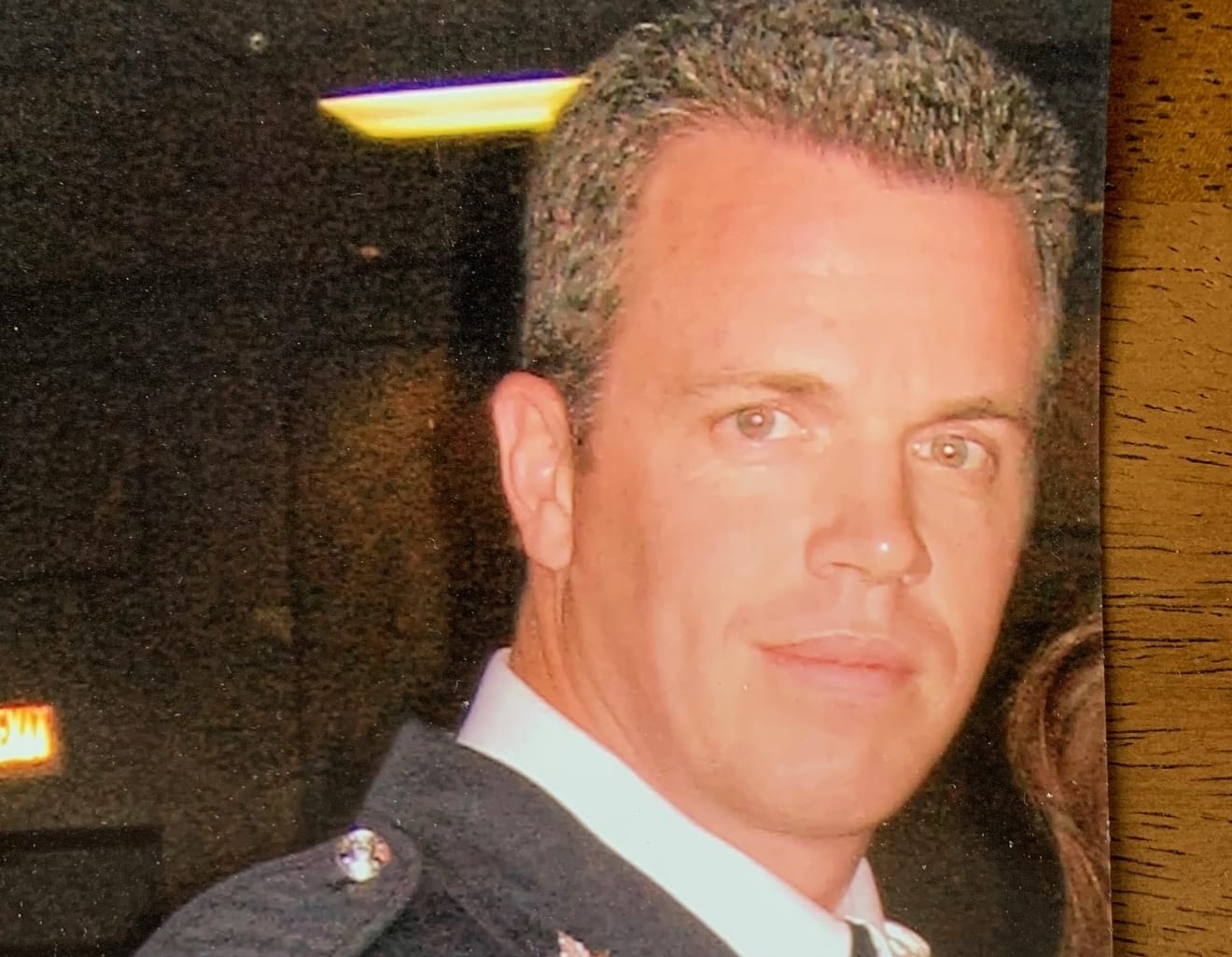
Brad Finucan, born on August 29, 1966, in Montreal, Quebec, is a retired Detective Sergeant and a distinguished law enforcement officer. At age 10, Brad moved to Southern Ontario, where he later attended Conestoga College and graduated in 1991 with a degree in Law Enforcement. He continued his education at Wilfrid Laurier University and, in 2024, will complete a two-year program in Cyber Security at the University of Ottawa.
Brad’s policing career began in 1991 amidst a highly competitive landscape. His early achievements included graduating at the top of his class from the Ontario Police College in 1992 with a 94% average, and receiving both academic and athletic awards for his leadership and sportsmanship. His dedication and skill were evident in 1997 when he courageously arrested one of Canada’s most wanted criminals, Carl Bursey, a feat that involved a daring rescue in the Grand River.
Promoted to Sergeant in 2003 after scoring the highest average in the Waterloo Regional Police Service’s promotional exam, Brad continued to showcase his exceptional abilities. He notably handled sensitive cases, including a shaken baby incident in 2007 where his actions enabled the victim’s organs to be harvested, saving multiple infants’ lives. His expertise in digital investigations was recognized in 2009 when he led a groundbreaking voyeurism case, resulting in several convictions.
Brad’s career is marked by significant collaborations, such as working with the FBI on a high-profile cross-border mortgage fraud case in 2012. His efforts were internationally recognized, leading to an invitation to an awards ceremony at the Smithsonian Institute in Washington, D.C.
Throughout his 30-year career, Brad has been driven by a commitment to honesty, honor, and tenacity. These values, instilled by family role models including his grandfather, a World War II veteran, and his father, a successful air force and commercial pilot, have guided him in making meaningful contributions to his community. As a history enthusiast, Brad draws inspiration from historical figures who demonstrated determination and strength, mirroring these qualities in his life and career.
What is your typical day, and how do you make it productive?
My typical day starts early with a morning workout, which I find essential for maintaining both physical and mental sharpness. After breakfast, I dedicate time to reading the latest news and research in cyber security and law enforcement, ensuring I stay current with industry trends. I often meet with peers and mentees to share knowledge and strategies. To make my day productive, I prioritize tasks by urgency and importance, and I maintain a disciplined schedule to manage my time efficiently. Reflection at the end of the day is crucial for me to assess what was accomplished and to plan for the next day.
How do you bring ideas to life?
I bring ideas to life by first thoroughly researching and planning each step necessary to realize them. Collaborating with knowledgeable colleagues and experts in the field is essential, as they provide diverse perspectives and expertise. I also use a systematic approach to test the feasibility of ideas through small, manageable pilot projects that help mitigate risks. Feedback during these stages is crucial and helps refine the idea into a workable solution. Finally, persistence and adaptability are key; I stay committed to the idea while being flexible enough to make changes based on real-world feedback.
What’s one trend that excites you?
One trend that excites me is the integration of artificial intelligence in law enforcement and cyber security. AI’s potential to enhance public safety by improving threat detection, data analysis, and decision-making processes is tremendous. This technology can help in predicting crime patterns, identifying potential cyber threats, and optimizing resource allocation, all of which contribute to more effective and efficient law enforcement strategies. I am particularly keen on how AI can support real-time operations and enable more precise interventions.
What is one habit that helps you be productive?
One habit that greatly enhances my productivity is maintaining a detailed and prioritized to-do list. This practice helps me focus on high-priority tasks and manage my workload effectively. I review and update this list daily, which keeps me aligned with my short-term and long-term goals. Sticking to this habit ensures that I do not overlook critical tasks and allows me to make the most of my time each day.
What advice would you give your younger self?
I would tell my younger self to be more patient and to embrace the journey of learning with an open mind. Early in my career, I often rushed to achieve quick results, but over time, I’ve learned that some of the best outcomes come from a thoughtful and measured approach. I’d also advise taking more risks and stepping out of comfort zones, as these are often the avenues through which we grow the most. Moreover, I’d stress the importance of building strong relationships both professionally and personally; these are invaluable as you navigate the complexities of life and career.
Tell us something you believe almost nobody agrees with you on?
I believe that there are substantial, untapped ways to integrate historical lessons into modern policing and public administration to improve governance and community relations. Many may see history as merely academic, but I argue that understanding historical events and leadership, especially under crisis, provides critical insights that could transform current practices and policies in profound ways.
What is the one thing you repeatedly do and recommend everyone else do?
I consistently recommend everyone to engage in regular physical activity, no matter their profession. For me, staying active is not just about physical health; it’s essential for mental clarity, stress reduction, and overall emotional well-being. Exercise has been a cornerstone of my ability to handle high-stress situations throughout my career, and I believe it equips individuals with the resilience needed to face daily challenges. It fosters discipline and a sense of achievement, which are crucial traits for personal and professional success.
When you feel overwhelmed or unfocused, what do you do?
When I feel overwhelmed or unfocused, I take a step back and engage in physical activity, usually a quick run or gym session, as it clears my mind and reduces stress. I also prioritize tasks by writing them down to visualize what needs immediate attention versus what can wait. Additionally, I find discussing my concerns with a trusted colleague or mentor can provide new perspectives and solutions. This combination of physical activity, prioritization, and consultation helps me regain focus and effectively manage stress.
What is one strategy that has helped you grow your business or advance in your career?
A key strategy that has significantly advanced my career is continuous learning and skill development. I have consistently sought out additional training and certifications, like my recent foray into cyber security, which kept me relevant and competitive. This approach not only expanded my expertise but also allowed me to adapt to changing technology and regulations within law enforcement. Engaging in higher education and professional development courses has opened up new opportunities and pathways in my career.
What is one failure in your career, how did you overcome it, and what lessons did you take away from it?
One notable failure in my career occurred early on when I misjudged the scope of an investigation, leading to a premature operation. The failure to gather sufficient evidence initially led to complications. I overcame this by revisiting the investigation, analyzing where it went wrong, and consulting more experienced detectives. From this, I learned the importance of thorough preparation and the value of mentorship and teamwork in policing.
What is one business idea you’re willing to give away to our readers?
A business idea I’d encourage is developing a platform that integrates artificial intelligence with community policing efforts to enhance public safety. This platform could analyze data from various sources to predict and prevent crimes more effectively, while also fostering community engagement and trust. Such a tool would not only improve efficiency in law enforcement but also strengthen the relationship between the community and police forces.
What is one piece of software that helps you be productive? How do you use it?
One piece of software that significantly boosts my productivity is Trello. I use it to organize my tasks, projects, and deadlines in a visual format, which helps in managing my workflow and ensuring nothing gets overlooked. Trello’s ability to collaborate with team members in real-time also enhances communication and efficiency in completing projects, especially in group settings.
Do you have a favorite book or podcast you’ve gotten a ton of value from and why?
One of my favorite books is “Leaders Eat Last” by Simon Sinek. It delves into the aspects of effective leadership and the importance of creating a culture where people feel valued and safe. This book has helped me understand the significance of trust and teamwork in any organization, and it has guided me in my roles, especially in leadership positions within law enforcement.
What’s a movie or series you recently enjoyed and why?
I recently enjoyed watching “Mindhunter” on Netflix. This series, which explores the early days of the FBI’s criminal psychology and criminal profiling division, fascinated me with its deep dive into the psychology of crime and its innovative approach to solving cases. It resonated with my experience in law enforcement, especially with the investigative and psychological aspects of my former roles. The combination of historical accuracy and engaging storytelling made it particularly compelling.
Key learnings:
- Continuous learning and skill development are crucial for career advancement.
- The integration of artificial intelligence in law enforcement could significantly enhance public safety.
- Physical activity is essential for managing stress and maintaining productivity.