
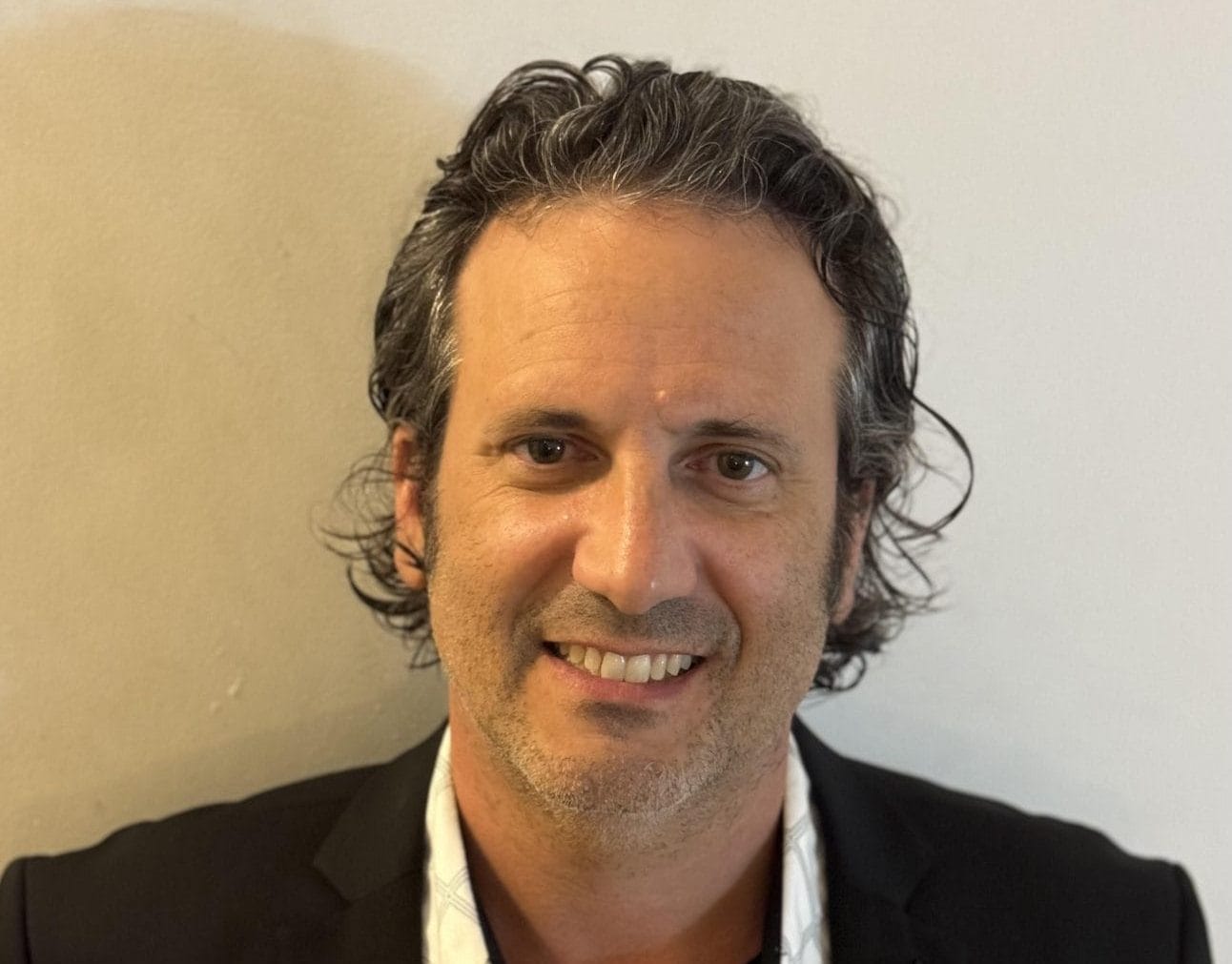
Mitch Horn is the CEO of LifeRx, leveraging his extensive background in marketing and telecommunications to drive the company’s success. His ability to communicate effectively with consumers has been central to LifeRx’s growth. Mitch initially focused on expanding marketing strategies for clinics, but he soon recognized a significant opportunity in the GLP-1 and weight loss markets. Despite facing early challenges, Mitch’s dedication led to success, particularly as the company’s offerings gained recognition, fueled by endorsements from celebrities. Through his leadership at LifeRx, Mitch is committed to changing and improving the health and lives of many people.
What is your typical day, and how do you make it productive?
My typical day starts early, as I prefer to tackle busy work in the quiet hours of the morning, usually between 5 and 7 a.m., when my brain is most effective. I get a lot done before interacting with colleagues, prospects, and customers. I rely heavily on coffee to keep me going. I often work 18 hours a day, and despite efforts to slow down, the workload just keeps growing. There never seem to be enough hours in the day, so I try to stay productive, believing that the more hours I put in, the more benefits we’ll see.
How do you bring ideas to life?
Bringing my ideas to life involves a process of execution and adaptation. Ideas often come to me late at night or early in the morning, and once I have one, I start by researching and understanding what’s needed to make it successful. I’ve had ideas that didn’t work out, but I believe in perseverance and not giving up. It’s crucial to test an idea’s viability within about 60 days to avoid spending years on something that might fail. The focus is on effective execution and assessing whether the idea has potential early on.
What’s one trend that excites you?
One trend that excites me is being involved in a business before it becomes widely popular, like how Zoom exploded during COVID. This is the first time I’m experiencing being ahead of a trend, as I missed out on the telecom boom around the year 2000. I’m very focused on our current industry, but I’ve also been intrigued by other innovations like Starlink. The advancements in internet technology from Elon Musk’s ventures are particularly exciting. Although I considered incorporating Starlink into a business idea, it wasn’t the right timing. Over the years, I’ve had many ideas, and finding the right people and timing is crucial for success.
What is one habit that helps you be productive?
Every day, I make it a point to go mountain biking. It helps me clear my mind, think more clearly, and unwind from the stresses of life. This daily routine is crucial for maintaining my focus and overall success.
What advice would you give your younger self?
If I could give advice to my younger self, I’d say: don’t give up. Even when you feel dismayed by chasing ideas that don’t seem to work out, remember that there’s always a light at the end of the tunnel. It’s important to stay hopeful and persistent because there’s always potential for great success. Keep pushing forward, because even if it feels like you’re going in circles, there are always opportunities out there if you keep striving.
Tell us something you believe almost nobody agrees with you on?
It feels like the world is really out of sync and chaotic right now. Everything seems to be turned upside down compared to what I grew up with and what I used to believe was true. The past few years have been especially disorienting, making it hard to grasp what’s real or stable.
What is the one thing you repeatedly do and recommend everyone else do?
I like to read extensively, including business news, articles, and marketing books. Staying informed about trends and educating myself helps me stay ahead. I believe that while marketing and sales methods haven’t fundamentally changed, the way we deliver them has evolved with new media.
When you feel overwhelmed or unfocused, what do you do?
Being realistic and educated is definitely a key factor in my success. I’m not risk-averse, but I understand the need to balance risk with a thorough understanding of the market. In the weight loss industry, for example, recognizing its vast scope and the widespread need helps in making informed decisions and targeting the right solutions effectively.
What is one strategy that has helped you grow your business or advance in your career?
The key is in the advertisements—creating effective and innovative creatives that highlight our strengths and customer service. By showcasing our best features and finding the right audience, we can effectively communicate our value and achieve great results.
What is one failure in your career, how did you overcome it, and what lessons did you take away from it?
In the early stages, I experienced several failures. I had ambitious ideas and expected quick success, but some ventures didn’t pan out. For example, I tried selling a VPN, but the market was too saturated. I also invested significant time and effort into a project involving mining minerals, which ultimately proved to be a waste of time despite extensive efforts and global travel. These experiences were frustrating, especially because I dislike wasting time. While they felt like failures at the time, they may have been part of a larger learning process, contributing to my growth and understanding in the long run.
What is one business idea you’re willing to give away to our readers?
One business idea I’ve considered revolves around healthcare. I’ve always thought that the healthcare industry offers promising opportunities due to its continuous innovation and relevance. While I don’t have a specific business idea at the moment, I believe that any field within healthcare can be lucrative, especially with the right marketing and sales strategy.
For me, the key to success in any business is cracking the marketing and sales aspect. If you can master those areas, you can stand out and thrive in virtually any industry. So, focusing on healthcare, given its constant evolution and demand, seems like a solid bet.
What is one piece of software that helps you be productive? How do you use it?
One piece of software that really helps me be productive is a CRM system. It’s been a game-changer for organizing and managing customer interactions. Before CRMs, it was much more challenging to keep track of everything. Additionally, tools like Zapier, which automate workflows and integrate different apps, have also been incredibly useful for streamlining processes and increasing efficiency.
Do you have a favorite book or podcast you’ve gotten a ton of value from and why?
Think and Grow Rich and The Tipping Point are great choices! Both books offer valuable insights into success and how unconventional thinking can lead to breakthroughs. They definitely push the boundaries of how we view strengths and weaknesses.
What’s a movie or series you recently enjoyed and why?
I watch a lot of movies, and some of my favorites are “The Equalizer,” “The Godfather” series, “Avatar,” and “Braveheart.” I particularly enjoy films with underdog themes.
Key learnings
- Persistence and Learning: Mitch believes that sticking with it and adapting to challenges leads to success. Learning from failures and not giving up are key.
- Strong Marketing and Service: Effective marketing and top-notch customer service are crucial for business
- Importance of Trust and Partnerships: Building trust with partners and vendors is crucial. Mitch emphasizes the need to carefully choose and work with trustworthy people in business.