
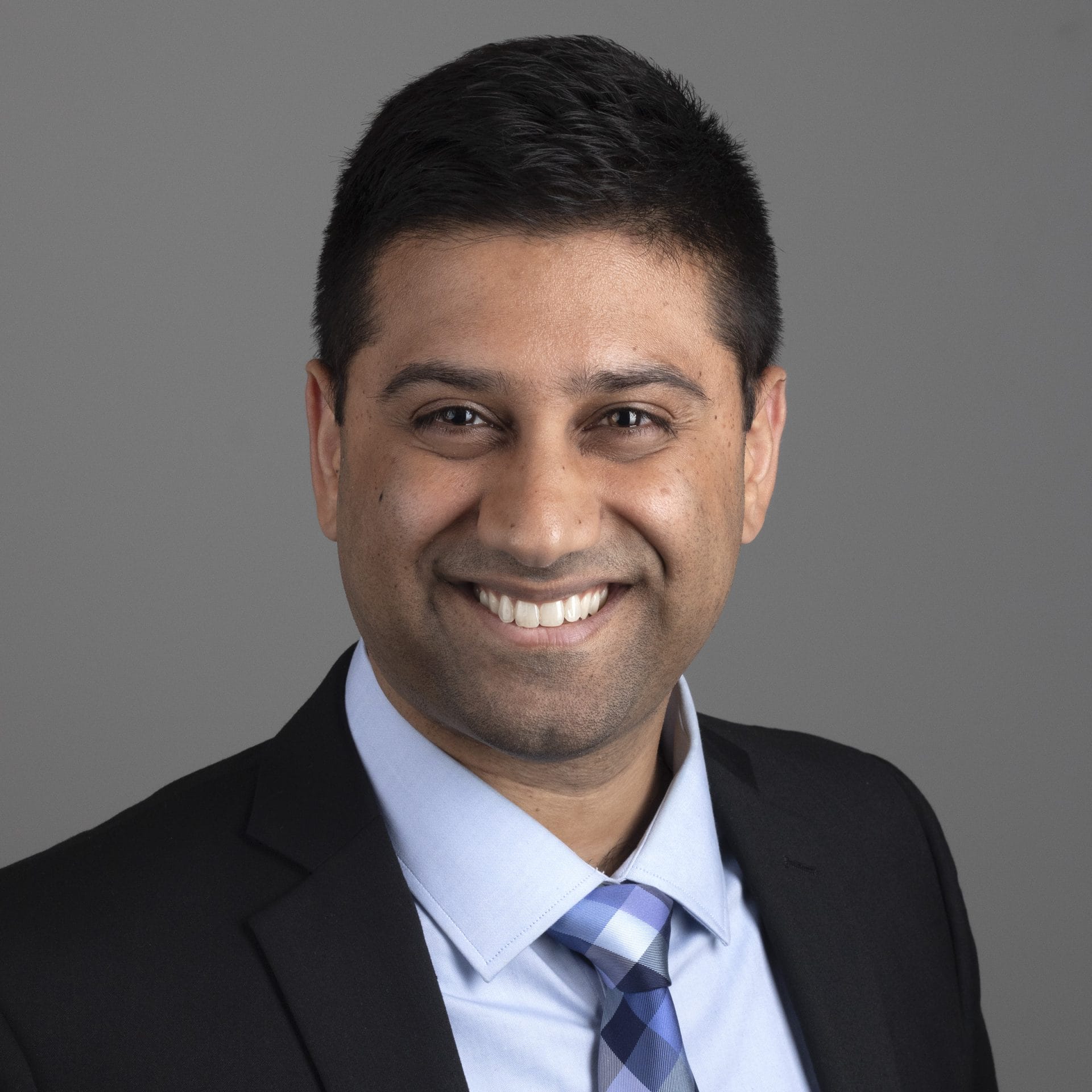
Dr. Sudipta Mohanty grew up in Southern California. He was raised by a loving family with strong values and regularly participated in community service activities, most notably helping to provide and distribute food to people without homes every week in downtown Los Angeles. He pursued academic excellence by starting college at the age of 15 with the early entrance program at the California State University Los Angeles. He majored in biology and studied cancer cell signaling in his undergraduate honors thesis. He graduated from the University of Pittsburgh school of medicine and trained at the University of California Riverside internal medicine residency program. He was chosen to serve as the program’s chief resident post-graduation. He worked in several hospital systems in Southern California. He particularly focused his clinical efforts to care for low-income and underserved populations. He completed a fellowship in leadership, administration, and health policy to further advocate for underserved patients and increased access to care. He also expanded his work in academia, teaching students and residents at multiple institutions and receiving multiple awards and distinctions. He later relocated to Boston to join as faculty at Harvard Medical School and a primary care physician at Beth Israel Deaconess Medical Center. He has taken leading roles in promoting women’s health, chronic disease management, and competency in medical procedures at his institution. He continues to care for patients, train the next generation of healthcare workers, and collaborate with other leaders in internal medicine to promote advancement and empowerment in primary care.
What is your typical day, and how do you make it productive?
I typically have busy days, caring for patients in clinic from morning till evening. Patient-care activities include clinic visits, addressing patients’ results, returning their calls to address urgent concerns, collaborating with specialists, etc. These are high-stakes tasks with no room for error, and I need to be functioning optimally to provide each patient the best healthcare they deserve. Amidst this busy schedule, I routinely take a 5-minute break usually 3 times a day for brief meditation and prayer. This simple exercise helps rejuvenate my body and mind for the remaining tasks of the day.
How do you bring ideas to life?
While any individual person can come up with a great idea, a team of likeminded and enthusiastic individuals can most effectively bring that idea to life. When I want to explore an idea, I find trusted friends and colleagues who share my general vision, but also bring different backgrounds and expertise to help refine the idea in ways I could not have foreseen on my own.
What’s one trend that excites you?
Over the past 2-3 decades, people have given greater priority to healthy eating and choosing healthy foods. Take a look at restaurants today. They cannot survive financially unless they offer healthy food options. The food court at my workplace has so many different options, but the longest line for lunch every day is always at Subway sandwiches. People are now aware that when you eater better, you feel better.
What is one habit that helps you be productive?
To-do lists and deadlines do not sound exciting, but they get the job done. There is a sense of peace to know that you are organized and on top of things, and there is no better feeling than checking off a task once it is done.
What advice would you give your younger self?
I was raised on the principal “If at first you do not succeed; try try again,” and I still firmly believe in ambition and perseverance. However, even despite your best and repeated efforts, life can still not go your way. This can be incredibly taxing. I would advise my younger self to take a more analytical approach. When running into challenges and hurdles, in addition to hard work, perseverance, and “try to try again,” we also need to take a step back and try to understand why things are not working. We need to question what we are missing and need to learn. Sometimes, rather than pushing our own vision and agenda, we need to listen to what the universe is trying to tell us. Instead of trying again, we need to try something differently or even revise our goals altogether.
What is the one thing you repeatedly do and recommend everyone else do?
I repeatedly smile at others, and I repeated get smiles in return.
When you feel overwhelmed or unfocused, what do you do?
When I feel overwhelmed or unfocused, I like to play the piano. Music is incredibly therapeutic.
What is one strategy that has helped you grow your business or advance in your career?
Rather than trying to be a solo trailblazer in your field, I have found it more important to find mentors, collaborators, and stakeholders in your field who can help grow into the best version of yourself.
What is one failure in your career, how did you overcome it, and what lessons did you take away from it?
Early in my career, I was turned down from many positions and promotions I thought I had deserved. With each rejection, I inquired what I can do better and developed a new skill to do so. As the list of rejections grew longer, so did my skillset. This expanded skillset ultimately helped me achieve much higher positions and promotions, and I would have never reached them without my failures. Not learning and growing from failures is a missed opportunity.
Do you have a favorite book or podcast you’ve gotten a ton of value from and why?
One of my favorite books is “Mountains Beyond Mountains” by Tracy Kidder. It details the life and works of Dr. Paul Farmer, who was a world-leader in global health. His work to expand healthcare in Haiti, Cuba, Peru, Russia, and so many other regions of the world was always rooted in the belief that every life matters. After his recent passing in Rwanda, I re-read this book to reconnect with my fundamental motivations to practice medicine. If every life matters, then it matters that I give every life my best.
What’s a movie or series you recently enjoyed and why?
I recently watched “The Food that Built America” series on the History channel. Certain foods have become such an integral part of our life. We all recognize brands like Coca Cola, put Heinz ketchup on our burgers, and have eaten cereal and milk for breakfast. It is fascinating to learn the history behind these foods, where they came from, and why they are the way they are. Spoiler alert – the motivations behind the development of new foods is rarely health concerns.
Key learnings
- Teamwork and collaboration always outperform solo efforts. Whether it is advancing your career or bringing a new idea to life, identifying good mentors and collaborators of different backgrounds and expertise is critical to success.
- Failures and setbacks are opportunities to learn and grow. Sometimes, we need to improve ourselves and learn a new skill. Other times, we need to rethink our goals and ambitions themselves. These new insights born from failure can pave the way to future success.
- Amidst our busy schedules, we need to fit in small activities that help us feel whole and rejuvenated. These activities need to be feasible, accessible, and enjoyable. Common examples including music, meditation, gardening, cooking, exercise, etc. Investing even 5-10 minutes into this can dramatically reshape your entire day.