
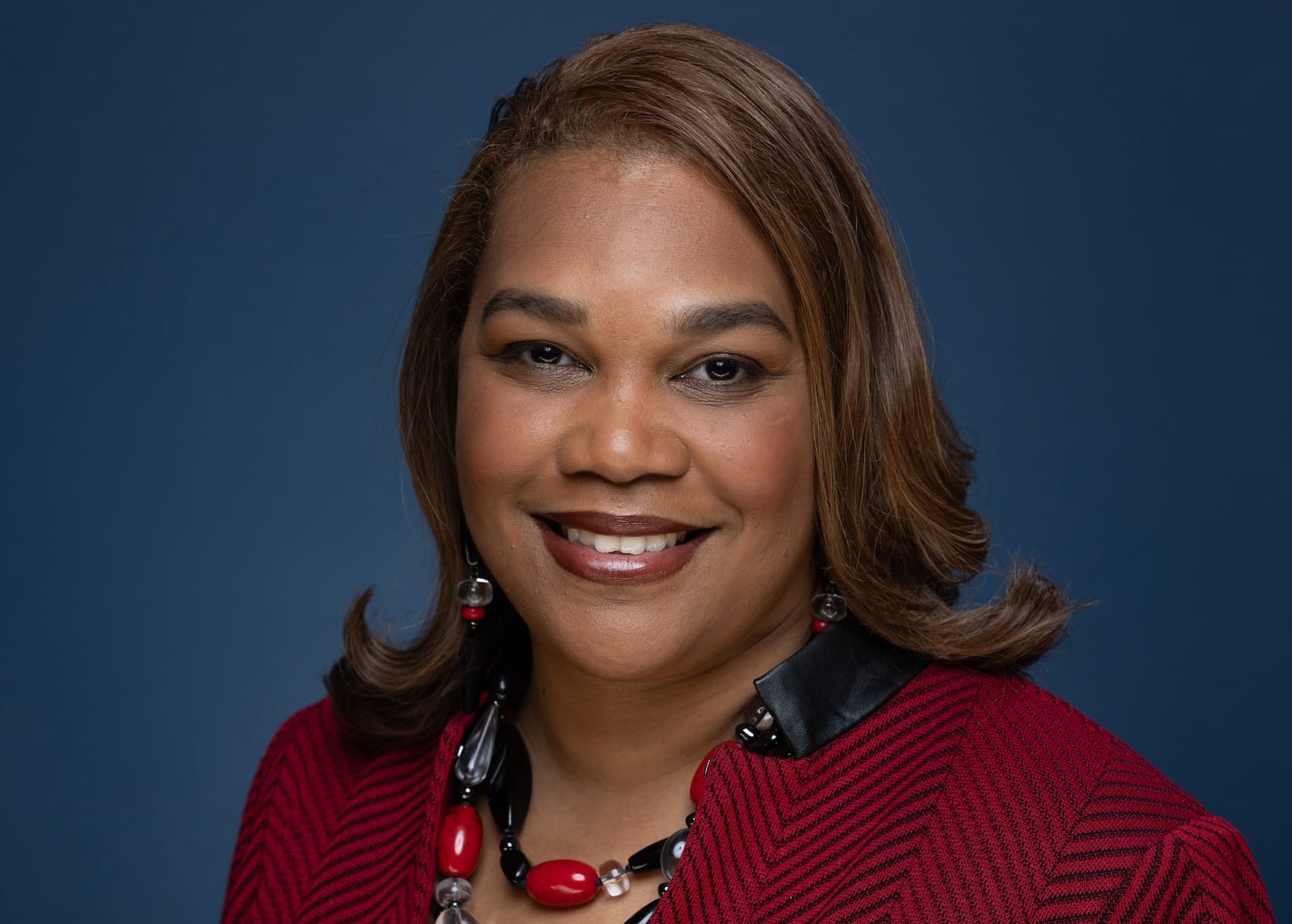
Dr. Airica Steed is a trailblazing healthcare executive, advocate for health justice, and fourth-generation nurse. With a career rooted in addressing systemic inequities, she has achieved groundbreaking firsts, including becoming the first woman, first person of color and the first nurse to lead a major Cleveland health system as CEO of MetroHealth in its nearly 200 year history. Dr. Steed’s leadership is anchored in empathy, advocacy, and collaboration, with a mission to create equitable healthcare systems that serve everyone. Her dedication to health equity, representation, and addressing social determinants of health has inspired transformational changes in healthcare institutions and beyond.
What is your typical day, and how do you make it productive?
My days are anything but typical—they’re a mix of strategy sessions, community engagement, and ensuring my team has what they need to succeed. I start early with structured time for reflection and goal setting, which allows me to focus on priorities. Throughout the day, I stay productive by adhering to what I call the three Ps: Prioritize, Plan, and Perform. Delegating effectively and surrounding myself with talented individuals is also critical to keeping things moving forward.
How do you bring ideas to life?
Bringing ideas to life is about action and collaboration and bringing the best out of people. Once I have a bold vision, I convene the right people—those with diverse perspectives and expertise—to develop a plan. For example,
during my time at Sinai Health System in Chicago, I worked directly with stakeholders to launch free non-emergent transportation program for people in the community, addressing social determinants of health while also tackling the critical barrier of access of care. It’s about advocacy backed by strategic partnerships and turning shared goals into measurable outcomes.
What’s one trend that excites you?
The increasing focus on health equity excites and motivates me. More organizations are recognizing the importance of addressing systemic disparities, from maternal health to mental health. The collective momentum toward intersectional healthcare solutions—where medical care meets societal factors like education and housing—is a trend that holds incredible promise. For me this is beyond a job, its personal.
What is one habit that helps you be productive?
I practice intentional reflection at the end of each day. I spend 15 minutes assessing what went well, what could be improved, and how I can pivot my approach tomorrow. It helps me stay aligned with my goals while remaining adaptable and grounded.
What advice would you give your younger self?
Believe that you belong in any room you walk into. When I was younger, navigating predominantly white, male-dominated spaces required an extra layer of resilience. If I could go back, I’d remind myself that my lived experiences, my perspective, and my dedication bring immense value—and that I should never question my place. I would also tell my younger self to embrace life’s failures as a recipe for your future success. Most people believe success and failure are opposites, however they are apart of the same journey. Failure is the path and success is the destination… When you fail, always fail forward towards your destiny.
Tell us something you believe that almost nobody agrees with you on?
I firmly believe that healthcare should operate as a right, not a privilege. While many in the industry recognize this in theory, systemic barriers make it an idea many hesitate to fully champion. Changing this mindset requires bold leadership and collective action.
What is the one thing you repeatedly do and recommend everyone else do?
Listen—truly listen. Whether it’s a colleague, patient, or someone in the community, their lived experiences are your best source of insight. Actively listening builds trust and ensures the solutions you develop address people’s
real needs.
When you feel overwhelmed or unfocused, what do you do?
I lean into gratitude. When things feel overwhelming, I remind myself of how far I’ve come, the impact I’ve made, and the lives we’ve changed along the way. Taking a moment to breathe and reflect helps me realign with my purpose.
What is one strategy that has helped you grow your business or advance in your career?
Always pursue collaboration. Genuine and strategic partnerships across sectors—particularly with government agencies and community organizations—have been instrumental in driving real change. When we united stakeholders with shared goals, as we did for our initiatives at MetroHealth, we created scalable and sustainable impacts.
What is one failure in your career, how did you overcome it, and what lessons did you take away from it?
Early in my career, I misjudged the importance of aligning with organizational culture. I joined a role with a misalignment in values, which made implementing meaningful change incredibly difficult. I learned that cultural fit is as crucial as the job itself. Now, I seek roles where my values and vision align with those of the organization.
What is one business idea you’re willing to give away to our readers?
Create community health hubs adjacent to healthcare facilities. These hubs could provide not only medical services but also address food insecurity, housing resources, and job training. Tackling health inequities requires integrating care with community support services, which lifts both the health and the wealth of the community simultaneously.
What is one piece of software that helps you be productive? How do you use it?
Microsoft Teams with the artificial intelligence notetaker feature has been a game-changer for me. It facilitates daily collaboration, communication, and document sharing while allowing me to stay connected with teams in real-time. It’s invaluable for ensuring alignment and driving progress forward.
Do you have a favorite book or podcast you’ve gotten a ton of value from and why?
I recommend “The Spirit Catches You and You Fall Down” by Anne Fadiman, as it offers critical insights into cross-cultural communication in healthcare.
What’s a movie or series you recently enjoyed and why?
I recently enjoyed The Immortal Life of Henrietta Lacks, which underscores the importance of ethics and justice in medicine.
Key learnings
- Collaboration is the backbone of sustainable change.
- Personal experiences drive passion and purpose in professional settings.
- Addressing systemic inequities requires leadership rooted in empathy and advocacy.
- Reflection and intentional listening are invaluable tools for productivity and connection.
- Representation matters—it builds trust and strengthens organizational outcomes.