
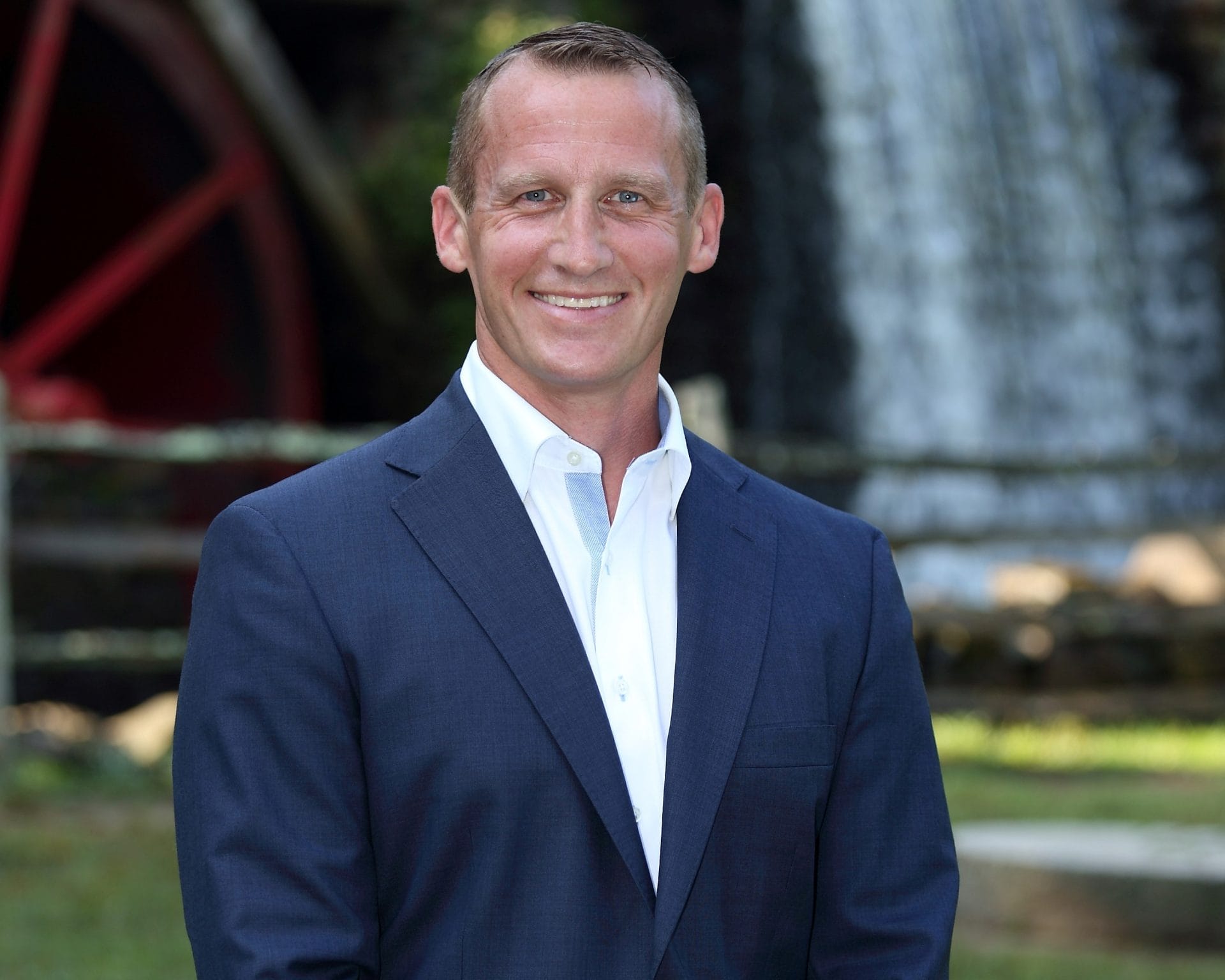
William Keeney, a Certified Private Wealth Advisor and Chartered Retirement Planning Counselor, has served clients at Merrill Lynch for more than two decades. Based in Newton, Massachusetts, William Keeney serves high-net-worth professionals and their families and coordinates strategy with other portfolio advisors, such as accountants and attorneys. He seeks to create and maintain long-term relationships with clients that prioritize their interests. Consistently rated as a Five-Star wealth manager, Mr. Keeney excels in corporate areas such as selling businesses and setting up employee retirement plans. He also coordinates generational wealth transfers and pursues holdings in risk-adjusted areas such as hedge funds, private equity, and tax-beneficial municipal bonds. Mr. Keeney graduated from Bentley University with a bachelor’s degree in finance. He serves on the board and as vice president of the Larz Anderson Auto Museum, which sits on 64 scenic acres outside of Boston and houses the oldest car collection in the nation. In his free time, Mr. Keeney enjoys competing in marathons and triathlons and supports his children in team sports activities.
What is your typical day, and how do you make it productive?
A typical day involves a mix of client meetings, portfolio reviews, team collaboration, and market analysis. I prioritize productivity by blocking time for deep work (e.g., financial plan reviews), using tools like calendars and task managers to stay organized, and delegating effectively to leverage my team’s strengths.
How do you bring ideas to life?
I test ideas through research, client feedback, and small-scale pilots. For example, introducing tax-efficient investment strategies began with analyzing client pain points, collaborating with CPAs, and refining the approach based on results.
What’s one trend that excites you?
The rise of ESG (Environmental, Social, Governance) investing—clients increasingly want portfolios aligned with their values without sacrificing returns.
What is one habit that helps you be productive?
My morning review: I start each day by reviewing priorities and aligning tasks with long-term goals, ensuring I focus on high-impact activities.
What advice would you give your younger self?
“Focus on relationships as much as results. Trust is the foundation of wealth management—clients remember how you made them feel, not just their portfolio performance.”
Tell us something you believe almost nobody agrees with you on?
Market timing is less critical than behavioral coaching. Most clients’ underperformance stems from emotional decisions, not asset allocation.
What is the one thing you repeatedly do and recommend everyone else do?
Quarterly financial check-ins—with clients, teams, or personal finances. Regular reflection prevents drift and keeps goals on track.
When you feel overwhelmed or unfocused, what do you do?
I step back to prioritize using the Eisenhower Matrix (urgent vs. important) and delegate or defer non-critical tasks. A short walk or meditation also helps reset focus.
What is one strategy that has helped you grow your business or advance in your career?
Niche specialization: Early on, I focused on serving entrepreneurs. This differentiated me, deepened my expertise, and led to referrals.
What is one failure in your career, how did you overcome it, and what lessons did you take away from it?
Early in my career, I underestimated the importance of proactive communication. After a client left due to unmet expectations, I implemented structured update cycles and learned that transparency builds trust.
What is one business idea you’re willing to give away to our readers?
A “financial concierge” service for busy executives: flat-fee, on-demand access to a team handling everything from tax optimization to philanthropic planning.
What is one piece of software that helps you be productive? How do you use it?
eMoney Advisor: streamlines financial planning by aggregating client data, modeling scenarios (e.g., retirement projections), and facilitating collaborative reviews.
Do you have a favorite book or podcast you’ve gotten a ton of value from and why?
Book: The Psychology of Money by Morgan Housel—it reframes how clients (and advisors) think about risk and wealth.
Podcast: Capital Allocators—insights from institutional investors that inform my portfolio strategies.
What’s a movie or series you recently enjoyed and why?
The Big Short—a reminder of how behavioral biases drive markets and why disciplined investing matters.
Key learnings
- Relationships drive long-term success in wealth management, outperforming short-term transactional approaches.
- Specialization creates differentiation, whether in client niches (e.g., entrepreneurs) or expertise (e.g., ESG).
- Behavioral coaching is as critical as financial acumen—clients’ emotional decisions often undermine their goals.
- Proactive communication prevents client attrition, especially during market volatility.
- Tools like eMoney Advisor enhance efficiency, allowing advisors to focus on high-value strategic guidance.