
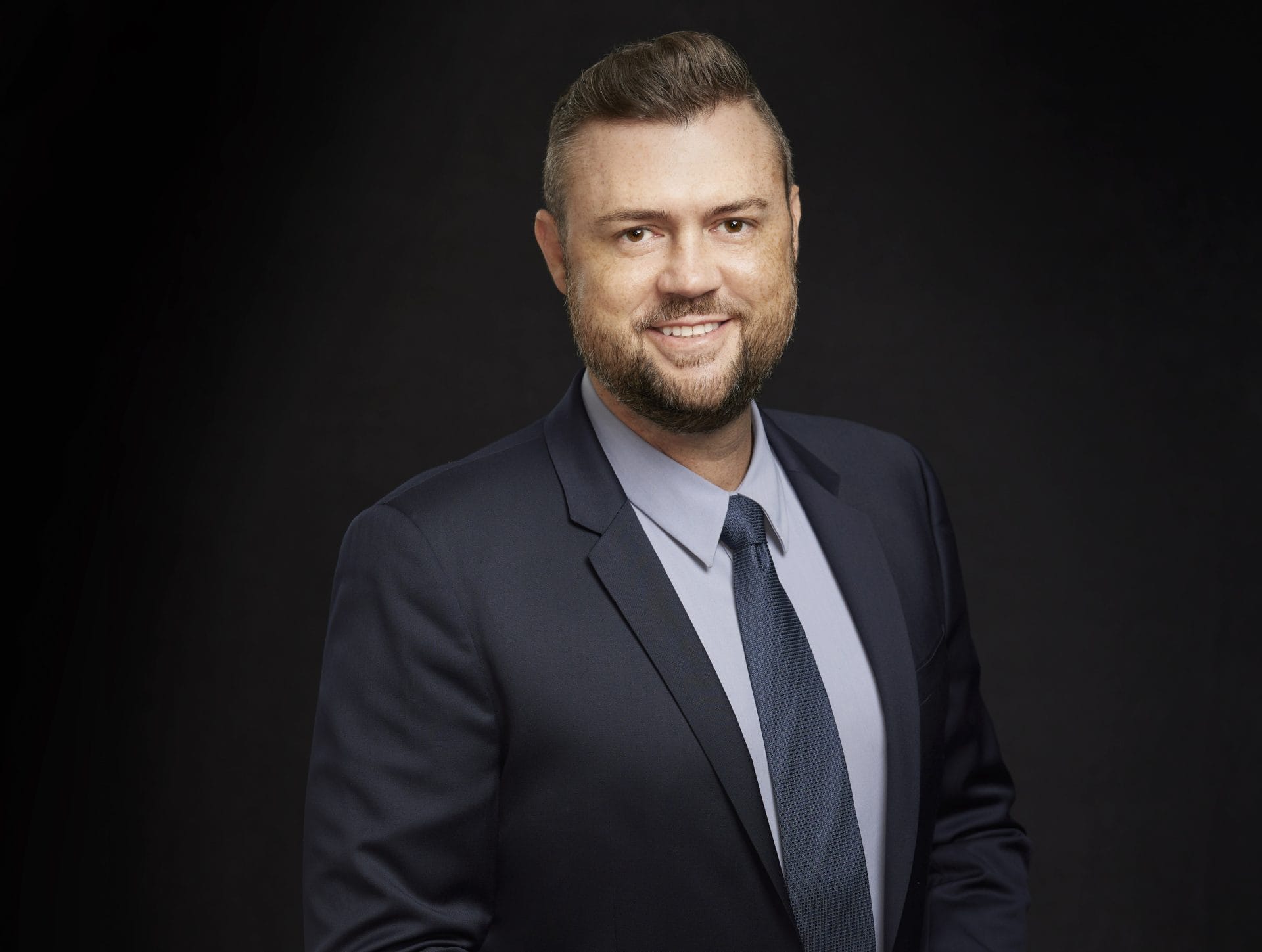
Dr. Austin B. Harris is a board-certified anesthesiologist and the founder of NeuroReliefTM Ketamine & Infusion Therapy in Sherman Oaks, California. With over a decade of clinical experience spanning cardiac, thoracic, obstetric, general, and pediatric anesthesiology, Dr. Harris has emerged as a leader in the application of ketamine therapy for mental health, chronic pain, substance and alcohol, and trauma recovery. His expertise is complemented by formal training in psychedelic-assisted psychotherapy and integration through Fluence, as well as active involvement in key medical and psychedelic associations such as ASKP, MAPS, and the Psychedelic Coalition for Health.
A frequent speaker at conferences and podcasts, Dr. Harris is known for his holistic and compassionate approach, integrating cutting-edge medical science with patient-centered care. His practice serves not only those with treatment-resistant conditions but also supports veterans through pro bono care initiatives. Dr. Harris is committed to expanding awareness, safety, and accessibility in the world of psychedelic medicine.
What is your typical day, and how do you make it productive?
My day usually begins early with a quiet routine—coffee, meditation, and a quick scan of the latest research in ketamine or anesthesiology. At the clinic, I conduct patient assessments, design treatment plans, and personally oversee infusions. I stay productive by time-blocking and prioritizing deep work hours for patient care, writing, and administrative tasks. Also, since our program is a concierge approach, all patients have real-time access to my cell phone, 7-days-a-week. My relationship to each person is more of a sponsor-sponsee relationship, vs. the normally distant doctor-patient relationship. It is a joy to collaborate with our patients in this way.
How do you bring ideas to life?
I test them first through conversation—with patients, peers, and thought leaders in the field. I believe in collaborative evolution, so once an idea resonates, I implement it gradually in my clinic, observe outcomes, and refine the approach based on real-world feedback. At NeuroRelief, we use evidence-based medicine. Utilizing research assessment questionnaires that are deeply validated in clinical research, we are able see how our programs are benefitting our patients, for different presentations and symptoms. Using this statistical data, we have learned so much about how to constantly improve and be on the cutting edge of our field. This has also guided me in inventing treatment programs that do not currently exist anywhere in the world.
What’s one trend that excites you?
The increasing acceptance of ketamine infusion therapy in mainstream medicine excites me deeply. We’re witnessing a transformation in how we approach healing, especially in mental health. However, when it comes to non-IV Ketamine modalities (psilocybin, DMT, MDMA, or other forms of ketamine [oral, intranasal, or intramuscular injection]), the real clinical data does not yet support their widespread use. Those results do not hold a candle to tailored IV ketamine infusions like we offer. I am also VERY much against any “at-home” delivery of ketamine or other psychedelics. These are treatments that need to be provided by a trained clinician, in person.
What is one habit that helps you be productive?
A daily habit of mindfulness—ten to fifteen minutes of breathwork or meditation. It anchors my focus and helps me lead with clarity. I learned to do this during my own periods of struggle, and this practice, along with mindful CBT exercise, and certified integration and recovery coaching, are the integrated tenants of all our ketamine infusion programs at NeuroRelief.
What advice would you give your younger self?
Don’t rush the journey. Mastery takes time, and presence is more powerful than performance. Stay curious, stay compassionate.
Tell us something you believe almost nobody agrees with you on?
I believe medicine should focus more on consciousness and spiritual healing—not just biology. It’s not common among traditionally trained physicians, but I see the impact of this belief daily. But that does not discount the benefit of certain molecules to assist us, even neurologically or physiologically, with that process. Further, a molecule is only the beginning. We must then learn and practice, as an individual, how to apply the effect or change that the molecule allows into practical change of doing patterns, personally, in our daily approach. This is not usually intuitive or natural, and takes some external structure, guidance and support to help us invest ourselves differently.
What is the one thing you repeatedly do and recommend everyone else do?
Mindful CBT. The external focus, moment by moment, of feeling, at an emotional level, the sight, sounds, taste, touch, and smell stimuli of our immediate sensory environment. “Where we focus, we will feel,” I always say. Grooving this faithful focus as an external and connective emotional experience is the true, larger sense of self.
When you feel overwhelmed or unfocused, what do you do?
I take a walk outdoors—especially in nature. It clears mental clutter and reconnects me to my “why.”
What is one strategy that has helped you grow your business or advance in your career?
Offering value before anything else—especially through education. Giving talks, creating free resources, or simply answering questions has built trust and organically grown my patient community. Further, our profit margin is much smaller than other clinical models because we offers 10 times the program structure, support, communication and guided strategy as any other option in the world; and for little more that the prolific “here’s a little ketamine, good luck,” models of care.
What is one failure in your career, how did you overcome it, and what lessons did you take away from it?
Earlier in my career, I underestimated the emotional weight of chronic pain in patients. I focused too heavily on physiological data. Overcoming that required deep listening, humility, and retraining myself to treat the person, not just the condition.
What is one business idea you’re willing to give away to our readers?
A mobile app that connects patients with integration coaches after ketamine or psychedelic therapy. It could track mood, provide journaling prompts, and offer professional support post-treatment.
What is one piece of software that helps you be productive? How do you use it?
Notion. I use it for patient education content planning, clinical case logs, personal research, and to track emerging studies or conferences.
Do you have a favorite book or podcast you’ve gotten a ton of value from and why?
The Body Keeps the Score by Dr. Bessel van der Kolk. It profoundly reshaped how I understand trauma and the importance of body-based healing in psychiatry.
What’s a movie or series you recently enjoyed and why?
“How to Change Your Mind” on Netflix. It’s informative, beautifully done, and brings psychedelic medicine into a public conversation with sensitivity and science.
Key learnings
- Daily structure and mindfulness can significantly increase productivity, especially in high-stakes healthcare settings.
- Listening deeply and leading with empathy has been more transformative than any clinical algorithm.
- Innovative care models, those psychedelic treatment processes that are truly focusing on individual healing and growth through guidance, are reshaping mental health treatment for the better.
- Journaling, nature, and reflection are underrated tools for clarity, healing, and professional growth.
- Education-first strategies foster trust, community, and authentic business development.