
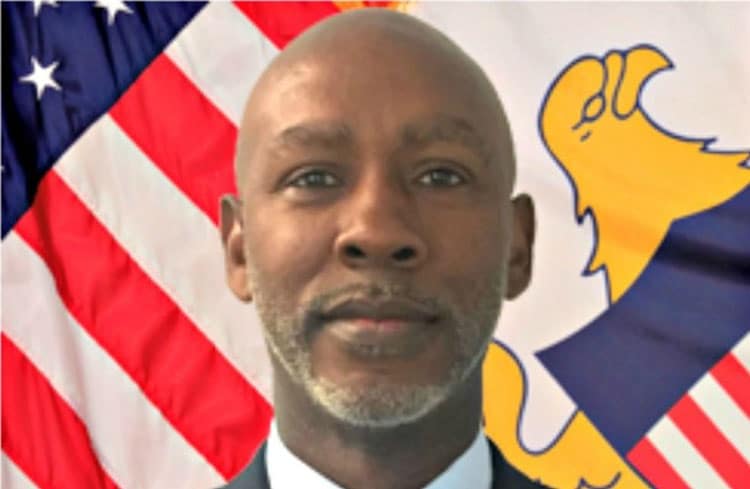
Roger E. Merritt, Jr. is a veteran leader in the waste management industry with nearly 30 years of experience driving innovation, operational efficiency, and environmental impact across public and private sectors. With a career that began as an environmental engineer for Georgia’s Environmental Protection Division, Roger has since held key leadership roles at Waste Management Inc., EnviroSolutions (ESI), and Prince George’s County, Maryland. At ESI, his financial and engineering strategies led to over $21 million in cost savings, while in Prince George’s County, he managed a $100 million enterprise fund and spearheaded initiatives that saved the County nearly $30 million—alongside a 50% boost in employee satisfaction under his open-door, people-first leadership style.
Roger E. Merritt, Jr. now serves as an international consultant, providing technical assistance to stakeholders in Latin America, the Caribbean, and Small Island Developing States. He’s known for combining strategic vision with hands-on execution, and for his deep commitment to mentoring the next generation of environmental leaders. Roger holds a B.S. in Civil Engineering from Texas A&M University and an Executive MBA in Finance from Clark Atlanta University. Through a career rooted in purpose, Roger continues to champion sustainability, empower teams, and advance the global waste management industry with integrity and impact.
What is your typical day, and how do you make it productive?
My day starts early—usually before sunrise—with time to reflect, read, or walk. That quiet space is sacred; it helps me prioritize. From there, I dive into project reviews, stakeholder calls, or team mentorship, depending on the day. I stay productive by focusing on outcomes, not just activity. I ask: “What impact will this task have?” I also make time for my team—people are our greatest asset, and a five-minute check-in can save hours down the line.
How do you bring ideas to life?
I bring ideas to life by grounding them in practicality and collaboration. Whether it’s optimizing fleet operations or launching a community waste initiative, I start with listening—what are the needs on the ground? Then I assemble the right minds, define measurable outcomes, and pilot the concept. I believe in showing, not telling—execution builds momentum. Success is iterative, so I encourage small wins that validate and shape bigger ideas.
What’s one trend that excites you?
The global push toward a circular economy excites me. For decades, waste management was linear—collect, dump, repeat. Now, we’re designing systems that reuse, regenerate, and eliminate waste at the source. It’s no longer just about disposal—it’s about resource management. That shift aligns perfectly with my lifelong commitment to sustainability and community-driven solutions.
What is one habit that helps you be productive?
It sounds counterintuitive, but carving out space to reflect—away from noise and meetings—helps me see patterns, anticipate roadblocks, and align teams around strategy. In a world obsessed with doing, thinking is a lost art—and it’s where real progress begins.
What advice would you give your younger self?
Listen more. Talk less. Early in my career, I thought leadership meant having all the answers. But the truth is, the best solutions often come from the field—from the people doing the work.
Tell us something you believe almost nobody agrees with you on?
I believe “waste” is a human construct—it doesn’t actually exist in nature. In natural systems, everything has a purpose and a place in the cycle. Our challenge is not to manage waste better, but to design it out entirely. That vision tends to raise eyebrows, but I believe it’s where we’re headed—and where we must go.
What is the one thing you repeatedly do and recommend everyone else do?
Mentor someone. No matter how busy or advanced you are in your career, you have something to offer someone coming up behind you. Mentorship builds legacy, strengthens your field, and keeps your own skills sharp. I’ve learned as much from mentoring others as I have from being mentored.
When you feel overwhelmed or unfocused, what do you do?
I step outside—literally. Nature grounds me. Even a short walk reminds me of the bigger picture. I also go back to my purpose: Who am I helping? Why does this matter? That re-centers me and helps me move forward with clarity.
What is one strategy that has helped you grow your business or advance in your career?
I’ve always practiced values-based leadership. When people trust your values—transparency, fairness, accountability—they’ll walk through fire for you. That’s how you build teams that innovate, overcome adversity, and stick around for the long haul. Strategy matters, but values build resilience.
What is one failure in your career, how did you overcome it, and what lessons did you take away from it?
Early in my management days, I underestimated the power of culture. I focused heavily on metrics and compliance. I had to build trust—by listening, showing vulnerability, and creating space for feedback. It taught me that people aren’t just part of the strategy—they are the strategy.
What is one business idea you’re willing to give away to our readers?
Create a community-based waste innovation lab. Partner with municipalities, youth groups, and entrepreneurs to pilot grassroots solutions—composting, reuse apps, local recycling markets. Most big innovations start small. Empower communities to co-create solutions that serve them.
What is one piece of software that helps you be productive? How do you use it?
Smartsheet has been a game-changer for managing complex, multi-stakeholder projects. I use it to track timelines, budgets, compliance requirements, and team accountability across multiple regions. It keeps everyone aligned without micromanagement.
Do you have a favorite book or podcast you’ve gotten a ton of value from and why?
Yes—Leaders Eat Last by Simon Sinek. It reinforced my belief in servant leadership. True leadership is about protecting your people, not positioning yourself. The book validates everything I’ve lived and tried to pass on to those I mentor.
What’s a movie or series you recently enjoyed and why?
The Boy Who Harnessed the Wind. It’s a powerful reminder that ingenuity, grit, and purpose can solve even the most daunting environmental challenges. It mirrored much of what I’ve seen in communities that lack infrastructure but thrive through local solutions.
Key learnings
- Empower communities
- Power of culture
- Mentor someone