
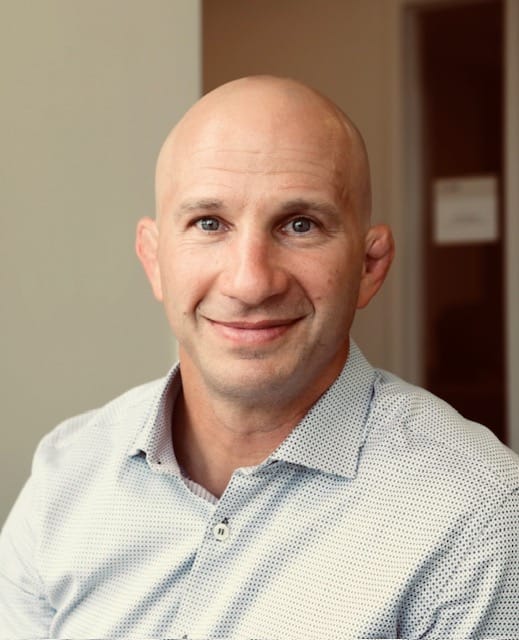
Qualified as paramedic and CPR instructor, Ben’Zara Minkin has an extensive background in firefighting and fire technologies. As San Mateo County Community College District emergency preparedness manager, he works to enhance internal emergency response capacities. Ben’Zara Minkin employs the latest technologies and planning techniques in preparing for extreme events that have the potential to cause widespread destruction of lives and property.
In his position, Ben Minkin coordinates with law enforcement, fire departments, and emergency medical service providers, as well as public health and works agencies. He selects, trains, and evaluates personnel, seeking to motivate even as he corrects deficiencies. Responsible for equipment maintenance throughout the department, Mr. Minkin manages the budget and implements recommendations provided by executive leaders, staff, and faculty.
An instructor with the District’s Firefighter I Academy, Ben’Zara Minkin previously held co-director responsibilities at the institution. He has overseen hazardous training exercises and instructed in fire prevention and firefighting rescue techniques. Mr. Minkin’s accomplishments include the implementation of the District Emergency Notification Platform, the SMCCCD Emergency Action Plan, and the District OSHA aligned Building Captain Program.
What is your typical day, and how do you make it productive?
I usually wake up between 4 and 5 am and start the day with a two-hour workout—it’s how I center myself physically and mentally. After that, I prepare breakfast and school lunches for my kids and often take them to school. Then I shift into work mode for an 8- to 10-hour day, managing safety and emergency preparedness operations.
Depending on the day, I may pick up the kids afterward and take them to Jiu Jitsu or wrestling practice. Once we’re home, I cook dinner, clean up, and spend time with them before getting them tucked in. Then I reset and prepare to do it all over again the next day. Productivity for me comes from structure, consistency, and staying fully present in whatever role I’m in—whether it’s leader, parent, coach, or cook.
How do you bring ideas to life?
If you want to bring an idea to life, you have to be the one who is motivated. Then you have to name whatever you are going for and make time for it. You have to understand the “why” and share the idea with others. Lastly, you have to be willing to fail.
What’s one trend that excites you?
The integration of public safety with emerging technologies—like AI-enhanced emergency notification systems and real-time incident dashboards—is changing how institutions respond to crises. That convergence of tech and preparedness is incredibly powerful.
What is one habit that helps you be productive?
Triage and calendar discipline. I treat every workday like an incident scene—assign priorities, stay task-focused, and make space for decision-making instead of just reacting.
What advice would you give your younger self?
Learn to master pace. Not everything needs to happen at once, and urgency isn’t always synonymous with importance. Earlier in my life, I approached challenges like a firefighter—fast, decisive, all-in. But over time, I learned that real leadership requires sustained energy, strategic patience, and the ability to zoom out.
Don’t downplay philosophy. Understanding how people think, what motivates them, and how values shape decisions has been just as essential as technical expertise in my career. Learn systems, learn people, and don’t be afraid to evolve.
Tell us something you believe almost nobody agrees with you on?
I don’t believe in a higher power or divine plan. I think the universe is indifferent and meaning is something we create—not something we discover. Most people I meet hold some form of spiritual belief, but I find more clarity, urgency, and responsibility in accepting that this life is all we get. It drives me to live deliberately and make it count.
What is the one thing you repeatedly do and recommend everyone else do?
Take full accountability for your actions—always. It’s the foundation of growth, leadership, and trust. When things go wrong, I don’t look for excuses or scapegoats. I assess what I could’ve done better, own my part, and adjust. That mindset has helped me build credibility across every environment I’ve worked in, from emergency scenes to boardrooms to parenting. Accountability isn’t about self-blame—it’s about clarity, integrity, and the willingness to lead by example. I believe that if more people adopted this habit, we’d see stronger teams, more honest conversations, and fewer repeated mistakes.
When you feel overwhelmed or unfocused, what do you do?
I work out and think my way out. Physical movement helps me reset—whether it’s lifting, grappling, or just getting my body moving. It clears the mental clutter and shifts me back into a focused state. During that process, I reflect on what’s weighing me down, break it into smaller parts, and start problem-solving. I believe clarity comes through motion and deliberate thought—not avoidance.
What is one strategy that has helped you grow your business or advance in your career?
Grit and resilience. I’ve never relied on shortcuts, titles, or perfect conditions. I show up, stay in the fight, and keep pushing forward—especially when it’s uncomfortable or uncertain. That mindset has helped me navigate high-pressure situations, build trust with leadership, and take on roles that required endurance and adaptability.
Whether it was launching emergency plans from scratch, leading through crisis, or earning trust in new environments, grit has always been my edge. Resilience isn’t just about surviving setbacks—it’s about learning from them and coming back sharper every time.
What is one failure in your career, how did you overcome it, and what lessons did you take away from it?
Early in my career, I wasn’t great with people. I came from a background in fighting—an individual pursuit where success depends entirely on your own preparation, mindset, and execution. But in the professional world, especially in emergency management, nothing happens in a vacuum. I had to learn how to communicate, collaborate, and lead within a team.
I made mistakes—misread people, over-relied on directness, and underestimated the value of relationships. Over time, I listened more, studied leadership, and focused on empathy and alignment. The lesson? Strength isn’t just about self-reliance. It’s also about the ability to connect with others and bring them with you.
What is one piece of software that helps you be productive? How do you use it?
RAVE is essential to my work. It’s our emergency notification platform, and I use it to communicate urgent updates across the district in real time—whether that’s during a lockdown drill, a power outage, or a critical incident.
But it’s more than just a messaging tool. I use it to coordinate with leadership, test systems, and continually refine our emergency protocols. RAVE helps me maintain situational awareness and ensures the right information reaches the right people at the right time. In crisis management, that kind of precision is everything.
Do you have a favorite book or podcast you’ve gotten a ton of value from and why?
One of the most impactful voices for me has been Matt Dillahunty. I follow his debates, talks, and podcast appearances regularly. I appreciate his clarity, intellectual honesty, and his stance on the Humanist Manifesto. His work breaking down theism and promoting rational discourse has helped me refine my own thinking, not just philosophically, but in how I communicate, debate, and engage with complex ideas.
What’s a movie or series you recently enjoyed and why?
I don’t watch much TV, but The Godfather will always be a favorite—there’s something timeless about its storytelling and characters. I also enjoy Daily Dose of Internet for quick, interesting content that doesn’t waste time. But honestly, anything that gets my kids on the couch with my wife and me is what I value most. It’s not about what we watch—it’s that we’re together.
Key learnings
- Grit, structure, and accountability are foundational traits that drive personal and professional resilience across high-stakes environments.
- Physical discipline and deliberate thinking are powerful tools for overcoming stress, gaining clarity, and maintaining focus.
- Meaning and motivation can be forged without spiritual belief, grounded instead in responsibility, family, and service.
- Leadership is a learned skill that requires emotional intelligence, especially for those transitioning from individual-driven disciplines into team-based environments.