
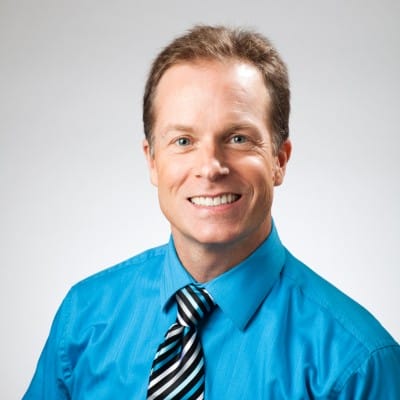
Dr. Joseph Upton is a distinguished leader in the field of anti-aging and integrative medicine, with over three decades of experience redefining how health and vitality are approached. After earning his medical degree from the Medical College of Wisconsin in 1992, he completed his Family Medicine residency at the University of Washington. While he began his career in traditional primary care, nearly ten years of firsthand experience revealed its limitations; prompting a transformative pivot toward preventive, personalized medicine.
Dr. Upton holds certification from the Academy of Anti-Aging Medicine and has become a trusted expert in hormone optimization, a core pillar of his approach to enhancing energy, cognition, and quality of life. His practice blends advanced treatments such as peptide therapy, tailored supplementation, and individualized wellness strategies, allowing patients to achieve optimal health and extend their most vibrant years.
In 2014, Dr. Upton made headlines as one of the first physician to introduce a comprehensive anti-aging program endorsed by Suzanne Somers, setting a new benchmark for longevity-focused care. Today, he remains at the forefront of innovation through his involvement with the Academy of Preventive and Innovative Medicine and the Age Management Medicine Group.
Renowned for his dedication to evidence-based, patient-first care, Dr. Upton continues to drive progress in healthspan science. Away from the clinic, he enjoys staying active, supporting the Seattle Seahawks, and cherishing time with his family. His career is a testament to the power of science, innovation, and personalized care in transforming lives.
What is your typical day, and how do you make it productive?
My day typically starts early with a short workout and a moment of reflection. That helps me center myself before diving into the clinical side of things. I review patient notes, lab results, and prep individualized plans before appointments. I keep a running list of priorities for the day, both clinical and administrative, to stay organized and focused. Blocking off time for uninterrupted patient care and separate time for research or business strategy helps me stay productive without feeling scattered.
How do you bring ideas to life?
I start by listening. Whether it’s a patient’s concern, a new therapy concept, or a research insight, I let the idea settle before acting on it. Then I validate it through data, studies, or by consulting with trusted peers. If it has clinical value, I test it in a responsible way with a few patients who might benefit. Once I see results, I build it into a more structured offering. I stay curious and take my time to implement ideas with clarity.
What’s one trend that excites you?
The emerging focus on healthspan is something I find inspiring. For years, medicine emphasized living longer, but now more attention is being paid to the quality of those years. Peptide therapies, functional diagnostics, and precision-based hormonal support are advancing rapidly. These tools allow us to intervene earlier and with more precision. It gives patients more control over how they feel and function well into later life, which is a significant shift in how we approach care.
What is one habit that helps you be productive?
I block time specifically for deep work. It is easy to get pulled in multiple directions, especially when managing a patient-centered practice. I schedule quiet, protected time to review research, update protocols, or plan strategically. That habit has helped me maintain focus and avoid burnout. I also make it a point to work on one task at a time and complete it before moving to the next. That has helped me deliver higher quality results consistently.
What advice would you give your younger self?
I would say, don’t wait for permission to change course. Earlier in my career, I stayed in the traditional model of medicine because it felt familiar. But I knew there were better ways to help people. I would encourage my younger self to listen to that instinct sooner and explore a more personalized, preventive model of care earlier on. Taking that step is difficult, but incredibly rewarding in terms of impact and fulfillment.
Tell us something you believe that almost nobody agrees with you on?
I believe the decline most people associate with aging is often avoidable. Many assume that fatigue, brain fog, lower energy, and performance issues are just part of getting older. I believe many of those symptoms are the result of imbalances or dysfunctions that can be treated. With proper testing, intervention, and lifestyle support, people can remain highly functional and engaged much longer than most think is possible.
What is the one thing you repeatedly do and recommend everyone else do?
Get comprehensive lab work done regularly, at least once a year. Most people rely on minimal checkups, which often miss early indicators of dysfunction. I recommend tracking inflammation, hormone levels, nutrient deficiencies, and metabolic markers. Having that level of insight allows people to make informed choices and stay ahead of health issues. It is a small habit that delivers a large return in terms of long-term wellbeing.
When you feel overwhelmed or unfocused, what do you do?
I take a short walk without screens, emails, or any distractions. Moving my body and stepping outside helps reset my perspective. If I still feel mentally cluttered, I do a brain dump on paper. I write out everything I am managing and then prioritize the most important items. This helps me clear my head and return to the task at hand with a fresh focus.
What is one strategy that has helped you grow your business or advance in your career?
Focusing entirely on patient outcomes has been the most important strategy. When someone experiences better sleep, more energy, and clearer focus, they talk about it. That kind of word-of-mouth builds trust and has been the main source of growth for my practice. I have also remained active in professional networks and educational spaces, which helps me stay current and credible. But above all, real results are what keep patients engaged and referring others.
What is one failure in your career, how did you overcome it, and what lessons did you take away from it?
When I first transitioned away from traditional insurance-based care, I didn’t fully anticipate how much education would be needed. Some patients were skeptical, and it was difficult financially at the start. I learned to be more effective at explaining the value of personalized care. That experience taught me that new ideas need clear communication and patience to take hold. Building trust takes time, but once people see the impact, they understand.
What is one business idea you’re willing to give away to our readers?
A personalized dashboard that helps men and women track their key aging biomarkers over time would be extremely useful. Think sleep quality, hormone levels, muscle mass, stress levels, and cognitive function. The platform could then provide actionable insights based on those trends. It would bridge the gap between raw data and useful application. Men need tools that make health actionable, not just measurable.
Do you have a favorite book or podcast you’ve gotten a ton of value from and why?
Dr. Neal Rouzier’s book “Normal isn’t Optimal” stands out.
What’s a movie or series you recently enjoyed and why?
I recently watched Limitless with Chris Hemsworth. The series explores the science behind extending physical and mental performance and aging well. It highlights how the human body and mind can adapt under stress when supported by proper science. It is well produced, evidence-based, and reflects the type of work I am involved in, so I found it both entertaining and informative.
Key learnings
- Aging can be approached as a proactive, manageable process rather than a passive experience
- Comprehensive diagnostics and hormone optimization are vital components of sustainable health and performance
- Productivity improves significantly when time is blocked for deep, focused work
- Communication and education are essential when introducing new models of care
- Real-world outcomes and patient transformation are the most powerful tools for business growth and credibility