
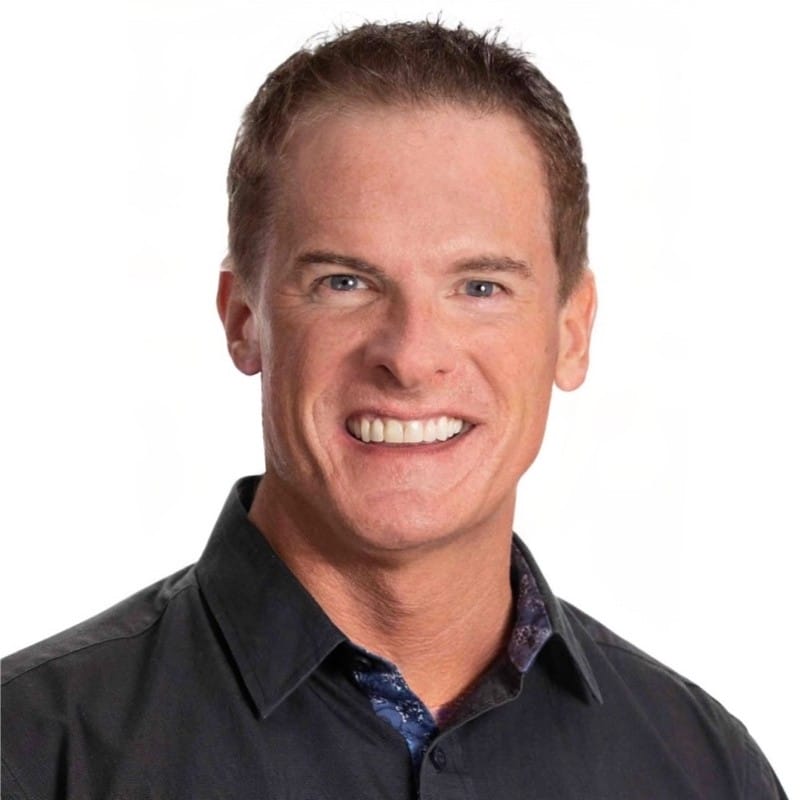
Paul Arrendell’s journey didn’t begin in a boardroom—it started on stage. As a college student at the University of Texas at Arlington, he studied mechanical engineering by day and performed with the A Cappella Choir and Jazz Band by night. This unique mix of structure and creativity would shape his career in unexpected ways.
He earned both his bachelor’s and master’s degrees in Mechanical Engineering with a focus on Automatic Control Systems. But even then, Paul was thinking beyond machines. He joined Student Congress, Phi Delta Theta, and engineering honor societies—learning how to lead, listen, and build systems that work.
Paul’s first jobs in medical device engineering taught him how much broken processes could cost—not just in time or money, but in patient safety. That realization led him to quality systems work at Wright Medical, then to larger roles at KCI Medical, Abbott Diagnostics, and finally Becton Dickinson. There, he managed global quality systems across dozens of countries.
He believes that good leadership isn’t about control—it’s about clarity. “Systems break. People panic. Leaders stay,” he often says.
Today, Paul serves on the College of Engineering Advisory Board at UT Arlington and continues to mentor the next generation of engineers. His goal is simple: build better systems, and support the people who run them.
What is your typical day, and how do you make it productive?
Most of my mornings start with clarity. I block out the first hour for quiet focus—no meetings, no distractions. That time is for thinking, reviewing open items, and checking on systems metrics. I don’t jump into action until I understand the bigger picture.
The rest of the day flows from that. I keep meetings short and purposeful. I always end calls with clear outcomes and owners. I also review any quality alerts or audit findings daily. That routine helps me stay proactive, not reactive.
How do you bring ideas to life?
By pressure-testing them. I sketch a system map, even for abstract ideas. Who touches it? Where does it break? What assumptions are built in? Then I’ll find someone—not in my direct chain—to challenge it. Choir taught me harmony, but engineering taught me dissonance matters too.
What’s one trend that excites you?
Adaptive quality systems. AI tools that can analyze supply chain risk in real time or predict defects based on usage data—those are game-changers. But only if they’re grounded in human insight. Tools shouldn’t replace thinking—they should extend it.
What is one habit that helps you be productive?
Daily triage. Every day, I write down three problems: one urgent, one systemic, and one personal. That’s my way of keeping balance. Not everything’s a fire—but everything matters.
What advice would you give your younger self?
Learn how to listen without needing to fix. Sometimes leadership is just making people feel heard. And document more. You’ll thank yourself later.
Tell us something you believe almost nobody agrees with you on?
Over-documentation isn’t the enemy. Ambiguity is. I’d rather read a 3-page SOP that’s clear than a 1-page summary that leaves room for error.
What is the one thing you repeatedly do and recommend everyone else do?
Review failure logs weekly. Not just your own, but other teams’. There’s gold in understanding what breaks—and why it wasn’t caught earlier.
When you feel overwhelmed or unfocused, what do you do?
I audit my calendar and delete one thing. Every time I feel burned out, it’s because I’m chasing noise. One cut makes space.
What is one strategy that has helped you grow your business or advance in your career?
I treated every audit like a teaching moment. Whether it was FDA or internal, I used audits to help teams grow. That built trust, and it built better systems.
What is one failure in your career, how did you overcome it, and what lessons did you take away from it?
Years ago, a CAPA process I redesigned failed during a mock inspection. I was so focused on speed, I missed clarity. We fixed it—but it reminded me: simplicity isn’t weakness. It’s strength.
What is one business idea you’re willing to give away to our readers?
An app that translates regulatory language into plain English, based on industry and region. Compliance shouldn’t require a dictionary.
What is one piece of software that helps you be productive? How do you use it?
I rely on Miro for mapping processes and systems. It lets teams see the flow, the gaps, and the fixes in real time.
Do you have a favorite book or podcast you’ve gotten a ton of value from and why?
“The Checklist Manifesto” by Atul Gawande. It’s about how simple tools can save lives. That’s the heart of quality systems.
What’s a movie or series you recently enjoyed and why?
“For All Mankind.” It’s about bold thinking, failure, and systems under pressure. Feels familiar—and inspiring.
Key learnings
- Small routines, like daily triage, can keep long-term systems in balance.
- Adaptive systems should enhance human insight—not replace it.
- Reviewing failure data from outside your own team is a high-value habit.
- Clarity, not control, defines lasting leadership.
- Leadership means building environments where others feel safe asking questions.