
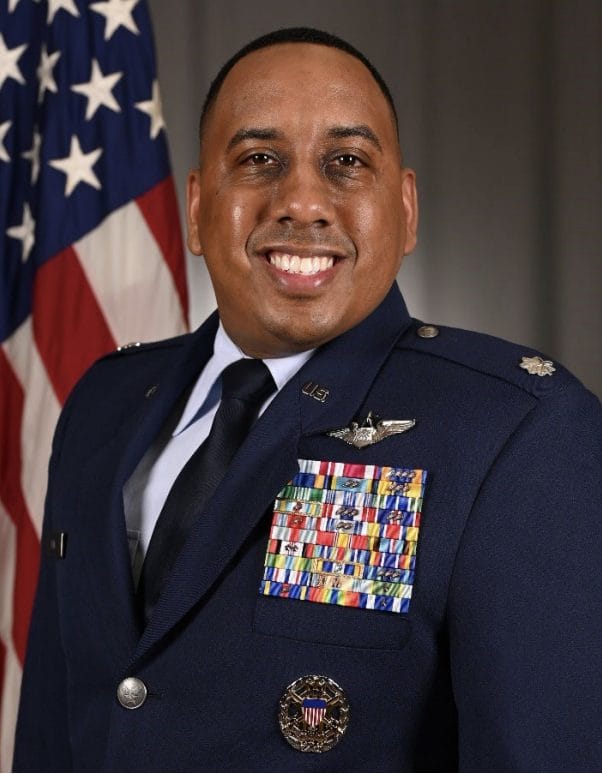
Brent Byng is an accomplished operations executive, senior military leader, and strategic thinker with more than 27 years of experience driving organizational success in complex, high-stakes environments. His career reflects a rare combination of operational expertise, policy insight, and executive-level management, making him a trusted advisor and results-driven leader.
As Commander of the 19th Special Operations Squadron, Brent consistently demonstrated the ability to transform organizational vision into measurable outcomes. He managed teams of more than 300 personnel and directed portfolios worth nearly $100 million, always with a focus on efficiency, innovation, and mission success. His leadership in this role showcased his ability to modernize training programs, integrate advanced technologies such as virtual reality and simulation platforms, and deliver thousands of highly skilled operators annually.
Brent’s influence also extends to the highest levels of national security strategy. Serving as Special Assistant to the Chairman of the Joint Chiefs of Staff, he engaged directly with senior defense leaders, White House officials, and international partners to advance cooperation, build alliances, and shape policy on a global scale. His diplomatic skill and ability to coordinate across agencies and nations underscore his capacity for leadership beyond traditional operations.
A lifelong learner and doctoral candidate in Strategic Leadership, Brent holds multiple advanced degrees in operations management, military arts, and strategic leadership. He is widely respected for mentoring and developing leaders, fostering cultures of accountability, and guiding organizations through change.
With deep expertise in strategy, execution, and innovation, Brent Byng continues to deliver exceptional impact as a forward-thinking executive.
What is your typical day, and how do you make it productive?
My day begins early with physical training and reflection, which sets the tone for focus and discipline. I review priorities before meetings begin to ensure I’m acting with purpose, not just reacting to tasks. Much of my day is spent mentoring leaders, managing operations, and developing strategies to improve performance and efficiency. I structure time in blocks to protect space for deep thinking and decision-making. I also make sure to check in with teams directly, not only through reports. Productivity for me comes from clarity—knowing what matters most and ensuring every hour contributes to those key objectives.
How do you bring ideas to life?
Bringing ideas to life starts with collaboration. I surround myself with people who have diverse experiences and perspectives. When a new concept surfaces—whether it’s a process improvement or a strategic initiative—I begin by framing the “why” behind it. I believe people commit to ideas they understand and believe in. I then create structured plans, define measurable outcomes, and assign clear ownership. Once implementation begins, I check progress frequently but allow flexibility for innovation. Ideas gain life when they move from theory to shared ownership. Empowering people to take responsibility turns an abstract concept into tangible, measurable progress.
What’s one trend that excites you?
One trend that excites me is the growing integration of artificial intelligence and data analytics into operational management. When applied correctly, these tools can dramatically improve decision-making by identifying inefficiencies, forecasting outcomes, and optimizing resource allocation. What excites me most is that technology is now capable of enhancing—not replacing—human judgment. In both military and enterprise environments, leaders can use data-driven insights to focus their attention where it matters most. The challenge is ensuring these technologies are applied ethically and strategically. When combined with strong leadership, analytics and AI can transform how organizations plan, execute, and grow sustainably.
What is one habit that helps you be productive?
Consistency is the cornerstone of productivity. I maintain structured routines for planning, physical fitness, and reflection. Starting my day with exercise clears my mind and helps me think strategically. I also set clear priorities every morning and reassess them in the evening. Another key habit is focusing on what I can control. In complex operations, distractions and external pressures are constant, but staying centered on the mission and core values keeps productivity high. I also make time for brief mental resets during the day to prevent fatigue. Consistent habits create predictable results, even in unpredictable environments.
What advice would you give your younger self?
I would tell my younger self to focus more on relationships and less on outcomes early on. Success comes from people, not just performance metrics. I would also remind myself to stay patient—growth often takes longer than expected, but persistence pays off. Another lesson is to embrace failure as part of learning rather than fearing it. Early in my career, I viewed setbacks as signs of weakness, but they were actually the moments that shaped my resilience. Finally, I’d emphasize self-awareness. Understanding your own motivations and limitations allows you to lead others with authenticity and empathy.
Tell us something you believe that almost nobody agrees with you on?
I believe that structure is the foundation of creativity. Many see structure as restrictive, but I view it as the framework that allows innovation to thrive. Without structure, ideas often collapse under their own weight. In high-stakes environments, whether in special operations or corporate settings, clarity of process enables freedom of thought. People perform their best when they understand boundaries, responsibilities, and expectations. It’s within that framework that real creativity happens. I’ve seen teams innovate most effectively not in chaos, but in disciplined, well-organized environments that provide both direction and room to experiment responsibly.
What is the one thing you repeatedly do and recommend everyone else do?
I consistently take time for reflection. Whether it’s through journaling, meditation, or reviewing daily outcomes, reflection allows me to pause and evaluate decisions without the urgency of the moment. It helps identify what worked, what didn’t, and why. I recommend everyone make reflection a habit because it prevents repetition of mistakes and reinforces successful behaviors. It’s easy to stay busy without being effective, and reflection bridges that gap. Taking ten minutes to step back each day often leads to insights that improve performance, strengthen relationships, and enhance clarity in both personal and professional life.
When you feel overwhelmed or unfocused, what do you do?
When I feel overwhelmed, I reset by stepping away from the immediate noise and focusing on what truly matters. Sometimes that means taking a brief walk, exercising, or spending time outdoors to clear my thoughts. I also prioritize writing down my top three objectives for the day. Seeing them on paper brings clarity and helps me refocus. Overwhelm often comes from trying to manage too much at once, so I narrow my focus to what’s most impactful. I’ve also learned the importance of delegation. Trusting capable team members with responsibility not only reduces pressure but also empowers them to grow.
What is one strategy that has helped you grow your business or advance in your career?
The most effective strategy has been aligning people, processes, and technology to achieve unified outcomes. I approach every challenge by asking whether those three elements are in balance. If even one is misaligned, performance suffers. I’ve applied this strategy across both military operations and enterprise leadership. It ensures efficiency while encouraging innovation. Another key component is mentorship—developing others to think strategically ensures the organization continues to improve even when you’re not present. Growth happens when leaders invest in systems that scale, people who are empowered, and processes that can adapt to evolving challenges.
What is one failure in your career, how did you overcome it, and what lessons did you take away from it?
Early in my leadership career, I underestimated the importance of communication during change. I implemented a new process that improved efficiency but failed to explain the “why” behind it. As a result, the team resisted. The initiative ultimately succeeded, but only after I took the time to rebuild trust and engage the team in dialogue. The experience taught me that even the best strategies fail without buy-in. Leadership is not about direction—it’s about connection. I now ensure every change is accompanied by clear communication and genuine engagement. Success requires both strategic clarity and emotional intelligence.
What is one business idea you’re willing to give away to our readers?
Organizations should create “innovation circles” that bring together cross-functional teams for short, focused problem-solving sessions. Each circle would include employees from different departments with diverse perspectives. These sessions should last only an hour but occur regularly. The goal is to identify small, actionable improvements that can be implemented quickly. Over time, these incremental innovations create major cultural and operational shifts. I’ve seen this approach boost morale, uncover creative solutions, and strengthen collaboration. Innovation does not always come from large-scale transformation—it often begins with small groups of motivated individuals encouraged to think freely and contribute meaningfully.
What is one piece of software that helps you be productive? How do you use it?
One piece of software I rely on is project management software that integrates task tracking, communication, and analytics. I use it to create visibility across operations, ensuring that projects remain on schedule and that teams have access to relevant information in real time. The key benefit is transparency—it eliminates confusion and enables proactive decision-making. I encourage teams to use it not just for accountability but for collaboration. Productivity thrives when everyone understands where the organization is heading and how their contributions fit into the larger picture. Technology, when used correctly, keeps everyone aligned and informed.
Do you have a favorite book or podcast you’ve gotten a ton of value from and why?
A book that has deeply influenced me is Extreme Ownership by Jocko Willink and Leif Babin. It captures the essence of accountability, teamwork, and leadership under pressure. The concept that leaders must own everything within their sphere of responsibility aligns closely with how I’ve led throughout my career. I’ve applied its lessons in both operational and strategic contexts. Another podcast I enjoy is The Leadership Lab, which explores how successful leaders manage change and complexity. I find great value in hearing different perspectives on modern leadership challenges and the creative ways others address them.
What’s a movie or series you recently enjoyed and why?
I recently rewatched Band of Brothers. It’s more than a war story—it’s a study in leadership, resilience, and teamwork. What resonates most is the portrayal of trust and camaraderie. Every leader can learn something from how those characters rely on one another through adversity. The series captures the essence of unity, sacrifice, and purpose, qualities that apply far beyond the battlefield. It reminds me that leadership is about people, not titles, and that shared hardship often creates the strongest teams. The lessons it conveys are timeless and relevant to both military and civilian leadership alike.
Key learnings
- Leadership begins with accountability, clarity, and empathy.
- Consistent reflection and communication improve decision-making.
- Innovation succeeds when paired with structure and purpose.
- Trust, not authority, is the true foundation of influence.
- Investing in people creates long-term organizational resilience.