
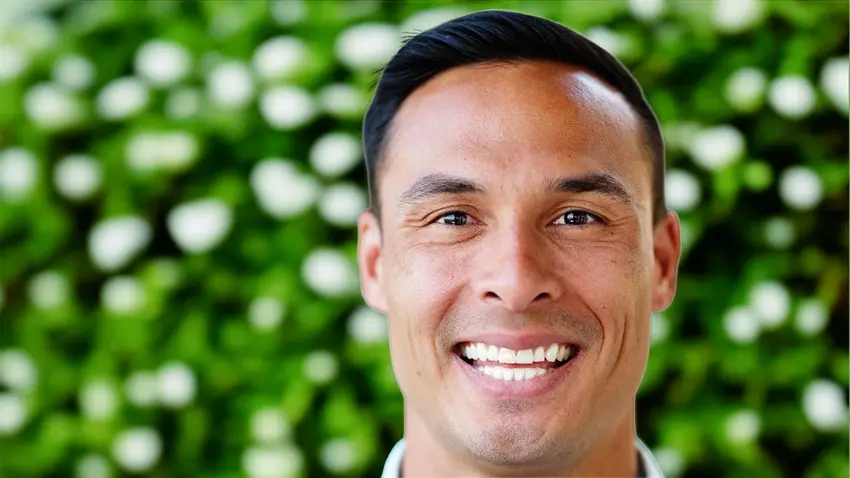
Andrew Veerathanongdech’s story begins in San Francisco, where he was raised by his Thai mother in a single-parent home. Life taught him responsibility early, and sports quickly became his outlet. He grew into one of the top wrestlers in Marin County, winning multiple championships and ranking fourth in Northern California his senior year. Tennis and martial arts rounded out his childhood, building the discipline that would later define his career.
After graduating from Marin Catholic High School in 2004, he earned a spot at the United States Air Force Academy on an athletic scholarship. He played tennis and rugby while studying Business Management, learning how to balance pressure, teamwork, and leadership. In 2009, he entered pilot training at Laughlin Air Force Base, finishing second in his class and earning the KC-10 Extender as his first-choice aircraft.
His Air Force career moved fast. He became an aircraft commander, then the youngest instructor pilot invited to teach at the KC-10 schoolhouse. Later, he was promoted to evaluator pilot and Chief of Evaluations at Travis Air Force Base. His approach was simple: high standards, no ego, and constant learning.
After leaving the military, he taught at FlightSafety International and eventually joined Air Transport International, where he currently flies worldwide cargo missions.
Today, he lives in Philadelphia with his wife and daughter, splitting free time between the Jersey Shore and snowboarding trips to California. His life reflects steady growth, resilience, and the belief that progress comes one habit at a time.
What is your typical day, and how do you make it productive?
My schedule changes a lot because airline life is built around trips, not Monday through Friday weeks. On flying days, I start with a routine I learned in the Air Force: wake up, hydrate, stretch, and go over the mission or flight plan. Even when I know the route well, reviewing it resets my focus. I like to arrive early so nothing feels rushed. On days at home, my daughter sets the schedule. I try to give her my full attention in the morning before doing anything else. Productivity for me is about intention. If I decide I’m with my family, I’m really with them. If I’m studying, training, or flying, I give my full focus. That mental separation keeps me grounded.
How do you bring ideas to life?
I break everything into steps. In flight training, you learn to solve big problems by focusing on the next needed action. I use that approach everywhere. If I want to improve a skill, I set small daily goals. When I was transitioning from the Air Force to civilian aviation, I wrote down every requirement, every certification, and checked them off one by one. Ideas become real when you treat them like tasks you can act on rather than wishes you hope for.
What’s one trend that excites you?
I’m excited about the rapid improvements in crew resource management training. The Air Force used CRM early, but civilian aviation is taking it to another level with scenario-based training and better simulations. It’s making cockpits safer and communication stronger. Anything that improves teamwork in high-pressure environments gets my attention.
What is one habit that helps you be productive?
Consistency. I do the same pre-flight routine every time, whether I feel tired, rushed, or great. Habits protect you from emotion. Even at home, I tidy up before bed so I wake up with a clean space. That one small habit makes the whole day feel more controlled.
What advice would you give your younger self?
I’d tell myself, “Don’t be afraid of starting over.” I’ve rebuilt parts of my life more than once. Losing almost everything at one point taught me that you’re never stuck unless you stop moving. I’d remind younger me that setbacks don’t define you unless you let them.
Tell us something you believe almost nobody agrees with you on?
I believe mistakes are under-valued. People hide them, fear them, or get embarrassed. I think mistakes are some of the best teachers you’ll ever have. In aviation, you review every error deeply. In life, people don’t do that. If they did, they would grow faster.
What is the one thing you repeatedly do and recommend everyone else do?
Write down your goals—even the small ones. When I trained for the KC-10 evaluator role, I wrote down every step I needed to master. When I wanted to get my daughter comfortable with the ocean, I planned small exposures. Written goals make intentions real.
When you feel overwhelmed or unfocused, what do you do?
I step away physically. Sometimes I walk around the aircraft or go outside for fresh air. At home, I take a few minutes alone in a quiet room. Even a short reset can change your mental state. I learned in the Air Force that pausing is often smarter than pushing.
What is one strategy that has helped you grow your business or advance in your career?
Holding myself accountable without making excuses. “No ego in the cockpit” is something I say often, because ego slows learning. When I trained new pilots, the ones who improved fastest were the ones who owned their mistakes. I try to model that.
What is one failure in your career, how did you overcome it, and what lessons did you take away from it?
My biggest failure was losing almost everything during a tough period of my life. It forced me to rebuild from the ground up. The lesson was simple: don’t quit on yourself. Your mindset decides everything. I focused on small wins and rebuilt my career step by step.
What is one business idea you’re willing to give away to our readers?
A mentorship app for high-pressure professions—pilots, firefighters, military members—where experienced leaders share short voice notes or checklists that younger members can reference before big tasks. Quick wisdom is sometimes more useful than long lessons.
What is one piece of software that helps you be productive? How do you use it?
ForeFlight. Most pilots use it, but I rely on its planning and weather tools not just for flying—but for daily organization. I treat every task like a flight: plan, brief, execute, review.
Do you have a favorite book or podcast you’ve gotten a ton of value from and why?
I like “The Fighter Pilot Podcast.” It’s niche, but it blends aviation history with real lessons from people who’ve flown incredibly demanding missions. It reminds me of the community I grew up in.
What’s a movie or series you recently enjoyed and why?
I enjoyed The Rescue, the documentary about the Thai cave rescue. The teamwork, precision, and calm under pressure reminded me of the best parts of military aviation.
Key learnings
- Strong habits create stability during unpredictable or high-pressure work.
- Breaking big goals into small, actionable steps turns ideas into outcomes.
- Accountability and ego-free communication accelerate personal and team growth.
- Mistakes become powerful teachers when reviewed honestly and consistently.
- Resetting mentally through brief pauses or physical movement improves clarity and performance.