
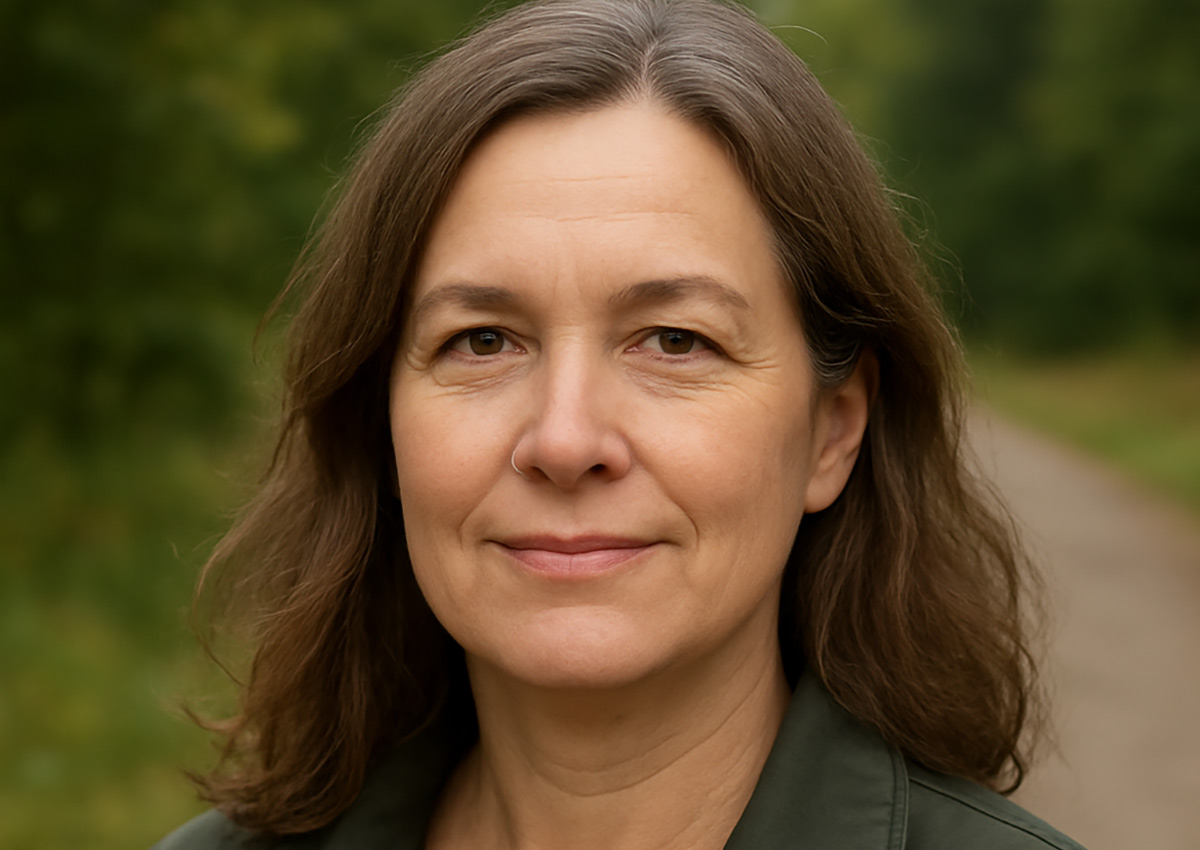
Jenifer Bakewell grew up in Pennsylvania in a family that valued education, and community service. From a young age, she was drawn to caring for others — a path that naturally led her into nursing.
After earning her degree, Jenifer built a career that blended hands-on clinical work with a deep curiosity for research and innovation. Over the years, she has worked across many areas of healthcare — from biomedical and laboratory research to dialysis, home health, and medical-surgical care. Each role taught her something different about resilience, empathy, and the importance of listening to people’s stories.
Her work didn’t stop at the hospital doors. Jenifer has volunteered on medical missions abroad, mentored youth, and opened her home to foster children and international students. She believes that compassion grows stronger when it’s shared, and that helping others is a lifelong commitment, not a single act.
Outside of her professional life, Jenifer finds balance in nature and creativity. She loves music and singing, boating , playing tennis, and tending her garden. She divides her time between Cape Cod and her retreat in Maine.
What is your typical day, and how do you make it productive?
Most mornings start early for me, often before sunrise. I’ve always liked having quiet time to gather my thoughts before the day begins. I usually begin with a short walk outside, even in colder weather. The air feels different at that hour — still, clear, and grounding. It helps me think about the people I’ll see that day and what they might need from me.
How do you bring ideas to life?
I write everything down. In nursing, ideas can come from the smallest observations — a patient’s reaction to a new treatment, or a more efficient way to manage home visits. I’ll jot down notes, test them in practice, and then discuss them with my team. Collaboration is what turns ideas into improvement.
What’s one trend that excites you?
I’m encouraged by the shift toward holistic and community-based healthcare. More people are recognising that healing isn’t just physical. Mental, emotional, and environmental health all play a part. The rise of telehealth also excites me — not for convenience, but for accessibility. It brings care to people who might otherwise go without it.
What is one habit that helps you be productive?
I take ten minutes at the end of every shift to reflect. What went well? What could I do differently tomorrow? It’s a small ritual, but it keeps me learning. Nursing can move fast; reflection keeps me from repeating mistakes and helps me recognise quiet victories that might go unnoticed.
What advice would you give your younger self?
Don’t be afraid to rest. When I was younger, I thought working harder meant caring more. Over time, I learned that rest makes you better — more focused, more patient, more compassionate. You can’t pour from an empty cup, as they say. I’d also remind myself that asking for help is a sign of strength, not weakness.
Tell us something you believe almost nobody agrees with you on?
I believe that perfection is overrated in healthcare. We should aim for excellence, but perfection isn’t human. Mistakes happen — what matters is how quickly we learn and repair. I once missed a small lab detail early in my career that delayed a diagnosis by a day. It was painful, but it taught me humility and accountability. I double-check my work now, not because I fear mistakes, but because I respect the people who depend on me.
What is the one thing you repeatedly do and recommend everyone else do?
Volunteer your skills outside of your workplace. I’ve joined medical missions abroad, helped at free clinics, and mentored students through community programs. It keeps you connected to why you started in the first place. Service reminds you that expertise means little without empathy.
When you feel overwhelmed or unfocused, what do you do?
Music has always been my way of clearing my mind – I sing or play guitar. If I’m at work, I step outside for a breath of fresh air. The goal isn’t to escape the moment, just to soften it.
What is one strategy that has helped you grow your business or advance in your career?
Goal setting
What is one failure in your career, how did you overcome it, and what lessons did you take away from it?
Once, I led a project to improve discharge procedures at a hospital. I pushed too quickly and didn’t include enough feedback from the staff who handled most of the workload. It backfired — they felt unheard, and the plan stalled. I apologized and restarted the process with more collaboration. The second version worked far better. It taught me that leadership isn’t about having the best idea; it’s about building ownership in others.
What is one business idea you’re willing to give away to our readers?
A mentorship network for retired nurses. Many want to stay involved but not on a full-time schedule. Pairing them with younger nurses entering the field could bridge generations of experience and ease the burnout many new nurses face.
What is one piece of software that helps you be productive? How do you use it?
Evernote. I use it to store care notes, resources, and reminders. It syncs between my laptop and phone, which is helpful when I’m travelling between homes or facilities.
Do you have a favorite book or podcast you’ve gotten a ton of value from and why?
Being Mortal by Atul Gawande. It reshaped how I view end-of-life care. It’s not about prolonging life at any cost — it’s about preserving dignity and meaning.
What’s a movie or series you recently enjoyed and why?
Call the Midwife. It captures the heart of caregiving — the blend of chaos, humour, heartbreak, and hope. It reminds me why compassion will always be the most essential skill in medicine.
Key learnings
- Reflection at the end of each day strengthens growth and resilience.
- Collaboration creates lasting solutions; progress rarely happens alone.
- Service outside of work builds empathy and perspective.
- Rest and recovery are essential parts of professional excellence.
- Learning from mistakes with honesty is more valuable than avoiding them.