
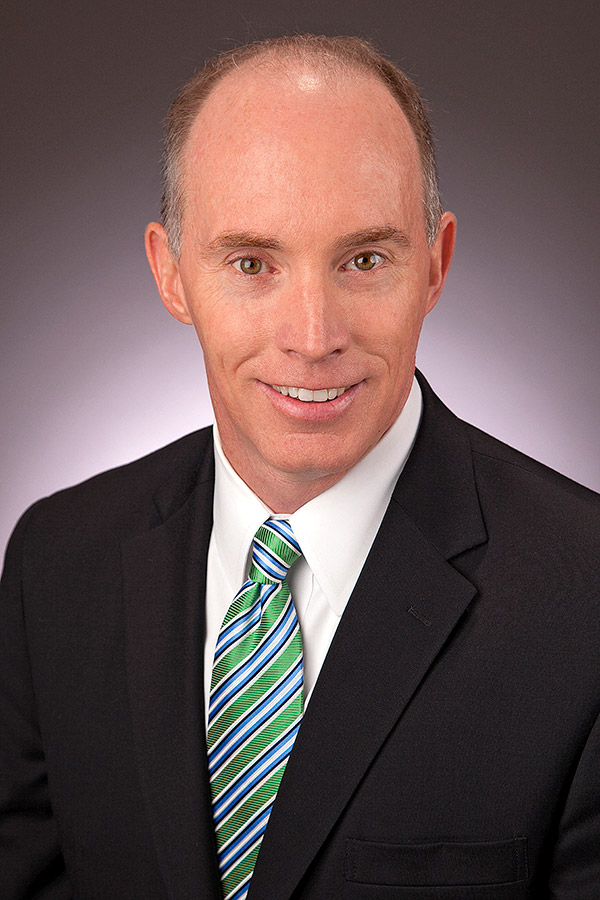
Daniel Tuffy’s story begins in Florida, where he grew up in a large family that learned early how to make the most of very little. Money was tight. Cars did not have air conditioning. Furniture was repaired instead of replaced. From a young age, Daniel worked odd jobs for neighbours, cut lawns, and later delivered pizza and washed dishes. Those years shaped his work ethic and sense of responsibility.
Health care entered his life in a personal way. After several knee surgeries during his school years, he became interested in physical therapy. With his mother working as a nurse and his parents running a home health care agency for many years, the field felt familiar. Daniel volunteered more than 700 hours at a local hospital before finishing high school, gaining early exposure to patient care.
He went on to study Health Administration at the University of Central Florida and later earned an Associate degree as a Physical Therapist Assistant. Daniel spent about a decade working directly with patients in Orlando. Over time, his interests expanded beyond treatment to how care systems are built and led.
To support that transition, he earned an MBA and continued to develop his leadership skills. Today, Daniel is known for his focus on trust, learning from failure, and building healthy team cultures. Outside of work, he is an endurance athlete, a lifelong learner, and someone who values family, community, and balance in everyday life.
What is your typical day, and how do you make it productive?
My day usually starts early, before the rest of the house is awake. I spend the first 20 to 30 minutes planning. I write down the three most important things for the day. Not ten. Not a full list. Just three. One is usually personal, one is related to leadership or learning, and one is operational. That structure keeps me focused and prevents busy work from taking over.
How do you bring ideas to life?
I write ideas down quickly and share them early. I used to think ideas needed to be fully formed before involving others. That slowed things down. Now, I bring concepts to my team and ask for feedback. Talking things through almost always improves the idea and exposes blind spots I would have missed alone.
What’s one trend that excites you?
The continued shift toward ambulatory care and outpatient services excites me. When done well, ambulatory surgery improves patient access, lowers costs, and reduces stress on clinicians. Orthopaedic groups, in particular, are finding ways to improve quality while making care more efficient.
What is one habit that helps you be productive?
Writing down long-term goals and sharing them with the team. I do this for clarity and accountability. When goals are documented and communicated, it becomes easier to align daily decisions with what actually matters.
What advice would you give your younger self?
You do not have to do everything yourself. Early in my leadership journey, I thought success meant taking on more and not depending on others. Over time, I learned that trusting your team and asking for help leads to better outcomes.
Tell us something you believe almost nobody agrees with you on?
I believe perfection is harmful in leadership. When teams feel pressure to be perfect, they stop learning. I think leaders should build cultures where failure is expected, discussed, and used as a tool for growth and learning.
What is the one thing you repeatedly do and recommend everyone else do?
Ask for feedback regularly. From peers. From team members. From people who see your blind spots. It is uncomfortable, but it builds trust and makes you better.
When you feel overwhelmed or unfocused, what do you do?
I move. That might be a short walk, a workout, or time outdoors. Endurance training taught me that clarity often comes after action. Sitting and overthinking rarely helps.
What is one strategy that has helped you grow your business or advance in your career?
Shifting from being a problem solver to being a barrier remover. When I stopped trying to have all the answers and focused on removing obstacles for my team, performance improved. People did better work when systems worked better.
What is one failure in your career, how did you overcome it, and what lessons did you take away from it?
I stayed too long in a leadership environment that relied on intimidation. I saw how it damaged trust and morale. I learned that a culture of integrity, honesty and embracing workforce engagement always wins. If values are misaligned, no amount of performance will fix it.
What is one business idea you’re willing to give away to our readers?
Create a simple clinician experience scorecard. Track small frustrations like scheduling delays or documentation time. Fix one issue each month. Over time, this significantly reduces burnout and improves care.
What is one piece of software that helps you be productive? How do you use it?
A simple note-taking app. I use it to track goals, capture feedback, and write down lessons learned. Nothing fancy. Consistency matters more than features.
Do you have a favorite book or podcast you’ve gotten a ton of value from and why?
My go to book is Crucial Conversation and other books and podcasts on leadership and emotional intelligence. They reinforce that trust, communication, and adaptability matter as much as technical skill.
What’s a movie or series you recently enjoyed and why?
Documentaries about endurance sports, where athletes overcome challenges. They remind me that progress comes from consistency and discipline, not shortcuts.
Key learnings
- Sustainable leadership is built on trust, feedback, and shared accountability.
- Removing barriers for teams often delivers better results than solving every problem personally.
- Learning from failure creates stronger cultures than chasing perfection.
- Clear goals and consistent communication drive alignment and focus.