
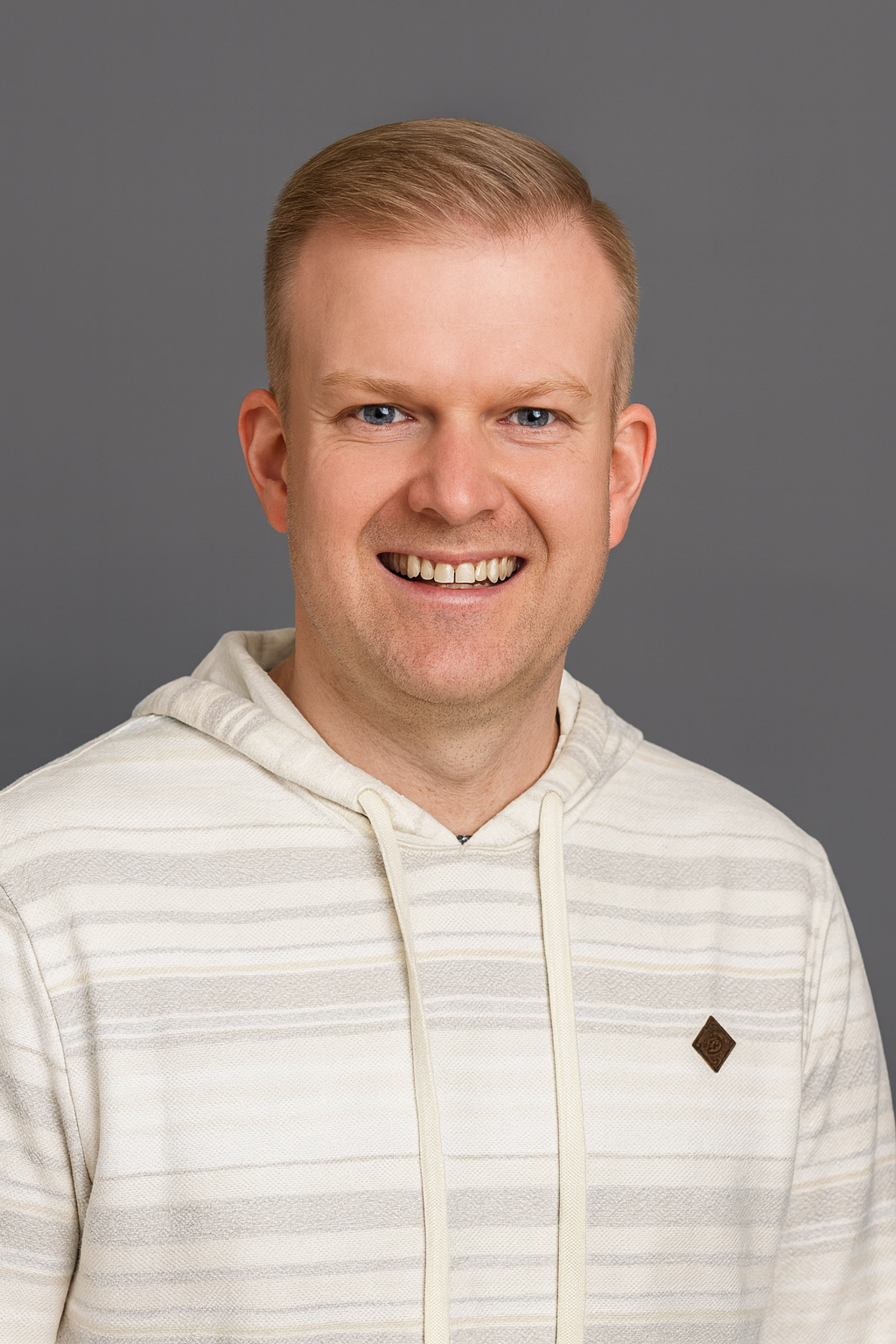
Brian Casella grew up in Brookfield, Connecticut, with a natural pull toward hands-on work and creative problem solving. Early on, he was drawn to how environments could shape how people feel. That curiosity led him to study lighting design and electrical engineering, a combination that would later define his career.
Brian began his professional journey working at small local events and modest venues. These early experiences taught him the importance of preparation, safety, and precision. He learned quickly that lighting was not just about appearance. It was about structure, timing, and trust. Small mistakes had significant consequences, and details mattered.
As his skills grew, Brian noticed a gap in the event industry. Many productions looked impressive but lacked reliability behind the scenes. In response, he founded Fox Haus Event Production with a clear vision. He wanted to create immersive environments that were as dependable as they were creative.
Over the years, Brian built Fox Haus from the ground up. He led projects from concept to execution, overseeing lighting design, rigging, power planning, and onsite production. His work earned industry recognition, including awards for Excellence in Event Lighting Design and Outstanding Achievement in Architectural and Ambient Lighting.
Today, Brian is known for his calm leadership and disciplined approach. He believes the best events feel effortless because the hard work is done early. Outside of work, he enjoys kayaking, hiking, and spending time with his young son. For Brian, success is built quietly, through consistency, care, and respect for the craft.
What is your typical day, and how do you make it productive?
My day usually starts early, before emails and calls take over. I review timelines, drawings, and crew notes while things are quiet. If an event is coming up, mornings are for planning and identifying risks. Afternoons are for site visits, meetings, or hands-on prep. I stay productive by deciding the night before what actually needs to get done. If I don’t set priorities, the day gets reactive fast.
How do you bring ideas to life?
I break ideas into systems. Lighting, power, rigging, timing, and logistics all have to support the same outcome. I sketch concepts, then run them through real constraints like ceiling height, power limits, and build time. If an idea can survive those checks, it usually works in real life. Creativity only matters if it can be executed cleanly.
What’s one trend that excites you?
More clients and planners are focusing on how a space feels instead of how much equipment is used. There’s less interest in excess and more interest in intention. That shift rewards thoughtful design and solid execution.
What is one habit that helps you be productive?
I write everything down. Notes, changes, diagrams, and decisions. If something lives only in my head, it will eventually get missed. Documentation keeps projects moving and prevents repeat mistakes.
What advice would you give your younger self?
Slow down and prepare more. Early on, I thought speed showed confidence. I’ve learned that preparation is what actually keeps things under control.
Tell us something you believe almost nobody agrees with you on?
Most event problems are created long before show day. People blame execution, but planning is usually where things went wrong.
What is the one thing you repeatedly do and recommend everyone else do?
I walk the space multiple times before an event. I look for failure points, not aesthetics. If something feels questionable, I address it early.
When you feel overwhelmed or unfocused, what do you do?
I do something physical. Loading gear, reorganizing equipment, or taking a walk. Movement resets my focus better than forcing myself to sit and think.
What is one strategy that has helped you grow your business or advance in your career?
Consistency. Delivering reliable results every time. Clients and crews remember when things work smoothly, even if nothing flashy happens.
What is one failure in your career, how did you overcome it, and what lessons did you take away from it?
Early in my career, I underestimated power requirements at a venue. We had to redesign parts of the setup hours before doors opened. It worked, but it was stressful. That experience made power planning a non-negotiable part of my process.
What is one business idea you’re willing to give away to our readers?
Create detailed checklists based on real mistakes you’ve made. Not generic ones. The best checklists come from failure.
What is one piece of software that helps you be productive? How do you use it?
Project management software. I use it to track timelines, responsibilities, and changes so nothing depends on memory alone.
Do you have a favorite book or podcast you’ve gotten a ton of value from and why?
I often revisit books about systems and decision-making. Thinking in Systems by Donella Meadows helped me understand how small issues can cascade into bigger problems. I also listen to The Knowledge Project because it focuses on how people think, not just what they achieve.
What’s a movie or series you recently enjoyed and why?
I enjoyed The Bear. It shows how pressure, preparation, and systems affect performance in high-stakes environments. The way small breakdowns compound felt very familiar to live event work.
Key learnings
- Most visible failures start with missed planning details.
- Reliable systems create space for creativity and calm execution.
- Consistency builds trust faster than standout moments.
- Clear leadership under pressure depends on preparation, not reaction.