
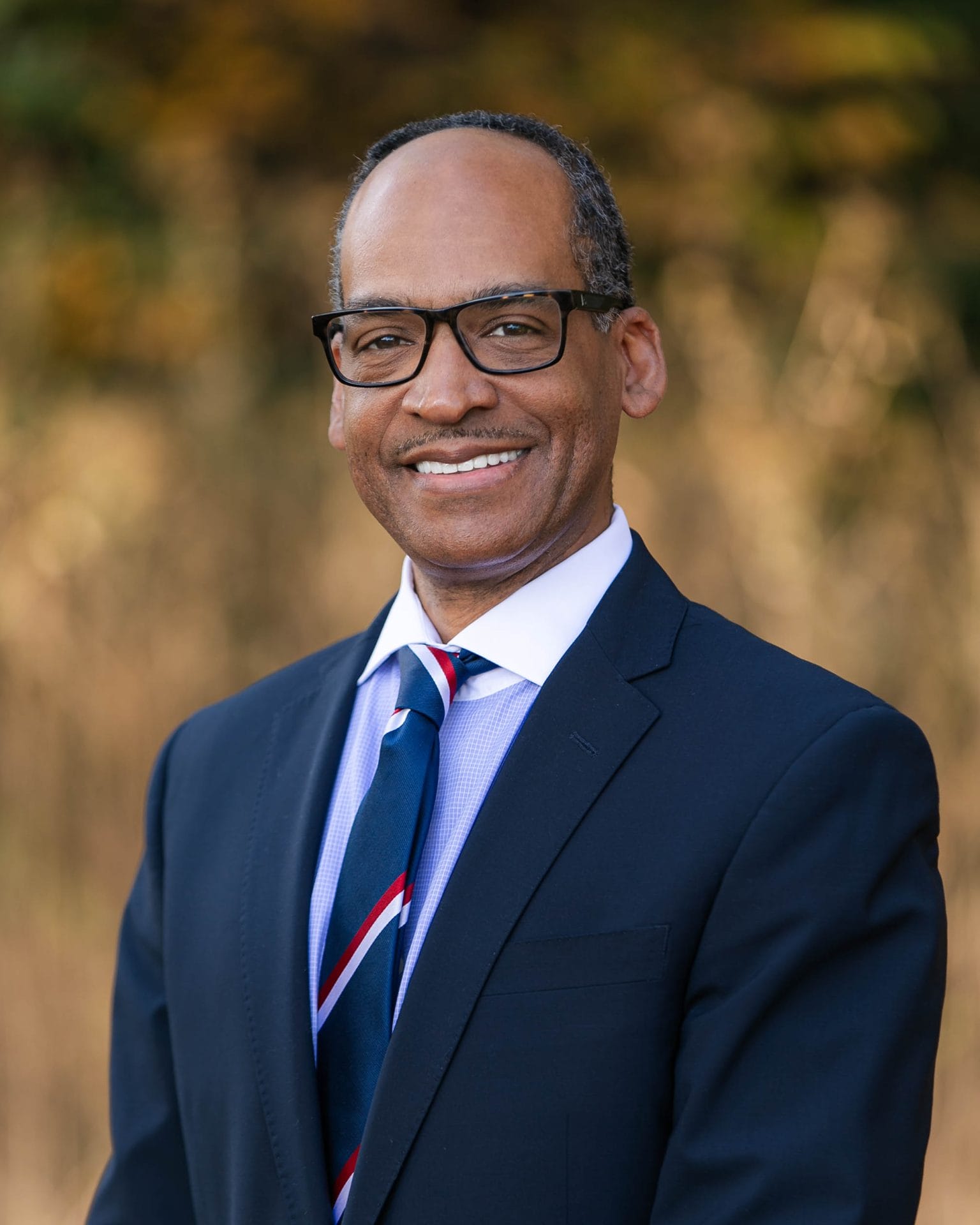
Since 2022, Theo Cramer has served as the superintendent of schools with Isle of Wight County Schools in Smithfield, Virginia. He functions as the district’s chief executive officer, enforcing all laws, rules, and regulations and communicating any issues to the school board. Theo Cramer oversees operations at nine schools and manages the academic outcomes for approximately 5,400 students. His achievements include reducing chronic absenteeism rates at every school, with some schools reducing rates by 50 percent or more. Standards of Learning scores have also improved.
As the community superintendent of Howard County Public Schools in Columbia, Maryland, Theo Cramer oversaw the operations of nearly 30 schools, including 14 elementary schools. He engaged with numerous community organizations and agencies while enhancing and optimizing school operations. His leadership encompassed approximately 19,000 students and a combined operating budget of $192 million.
Theo Cramer earned an educational doctorate in organizational and educational leadership from the University of Pennsylvania. He is the vice chair of the Southeastern Cooperative Educational Program and a member of several boards.
What is your typical day, and how do you make it productive?
A typical day begins early and rarely looks the same twice. It usually starts with reviewing emails and conversations with my leadership team members as needed before the school day begins so I have a pulse on attendance, transportation, safety, and staffing issues. From there, my day usually includes school visits, meetings with key staff members, cabinet members, community partners, student groups, and often parents or staff. I make my day productive by being intentional about where I spend my time—prioritizing people, student outcomes, and long-term strategy over the need to respond to every urgent issue. I also build in time to be visible in schools and the community because firsthand observation keeps decisions grounded in reality.
How do you bring ideas to life?
I bring ideas to life by starting with a clear “why” and then engaging the people who will be responsible for carrying the work forward. In both urban and rural settings, the best ideas fail when they are done to people instead of with them. I test ideas through pilot programs, listen carefully to feedback from staff and students, and refine the approach before scaling. Very often, the best ideas come from other stakeholders—students, parents, staff members, community members, etc. It merely requires me as the leader to listen and work to bring the ideas to fruition. Most importantly, I connect new ideas to existing priorities so they feel like progress rather than another initiative.
What’s one trend that excites you?
The growing emphasis on real-world learning and community-connected education excites me. Schools are moving beyond traditional models to include internships, mentorships, career pathways, and partnerships with local businesses and organizations. This trend is especially powerful in rural communities where schools are often the center of the community and in urban areas where exposure and access can change life trajectories.
What is one habit that helps you be productive?
The habit of disciplined reflection helps me remain productive. At the end of each day or week, I ask myself what decisions moved the system forward and where I may have unintentionally created barriers. This habit keeps me focused on impact rather than activity and helps me continuously adjust my leadership approach.
What advice would you give your younger self?
I would tell my younger self to listen longer before acting and to trust that influence is built over time. Early in my career, I believed strong leadership meant having the right answers quickly. Experience has taught me that sustainable change comes from asking the right questions, building relationships, and allowing others to grow into leadership roles.
Tell us something you believe that almost nobody agrees with you on.
I often mention that one of my challenges as a leader is that I am a very impatient person. As an educator, I think a sense of urgency is very important. But that sometimes creates an uncomfortable environment for others in the organization.
What is the one thing you repeatedly do and recommend everyone else do?
I consistently communicate the same priorities over and over again. I recommend that all leaders do the same. People do not need more messages—they need clarity and repetition. Alignment happens when leaders say fewer things, more consistently, and back them up with action.
When you feel overwhelmed or unfocused, what do you do?
When I feel overwhelmed, I return to the question “what matters most right now for students?” That lens helps eliminate distractions and refocus priorities. I also step away briefly—sometimes by visiting a classroom—because seeing teaching and learning in action is grounding and reminds me why the work matters.
What is one strategy that has helped you grow your business or advance in your career?
Acquiring diverse experiences has been critical to my growth. I have been very fortunate to work in multiple settings and in many different roles in the field of education. Working in both urban and rural districts exposed me to different challenges, cultures, and leadership demands. This breadth of experience strengthened my ability to adapt, listen, and lead in complex environments, making me a more effective and versatile leader.
What is one failure in your career, how did you overcome it, and what lessons did you take away from it?
Early in my career, I recall making an important decision without involving other key stakeholders. That decision was a mistake and caused concern for the organization. I learned that it is important to seek input from as many stakeholders as possible. Of course, sometimes you must make quick decisions, but when time permits, it is important to seek input from others. I overcame this mistake by acknowledging the misstep, engaging stakeholders more deeply, and rebuilding trust.
What is one business idea you’re willing to give away to our readers?
A scalable business idea is a platform that connects retired professionals and local experts with schools for short-term virtual or in-person learning experiences. Schools need real-world voices, and many professionals want meaningful ways to give back. A vetted, easy-to-use matchmaking platform could meet both needs while supporting career exploration for students.
What is one piece of software that helps you be productive? How do you use it?
Calendar and task management software integrated with shared collaboration tools is essential. I use it not just to schedule meetings but to block time for school visits, reflection, and strategic planning. When my calendar reflects my priorities, my leadership does as well.
What is the best $100 you recently spent? What and why?
The best $100 I’ve spent recently was on professional books and resources related to leadership and organizational culture. Continuous learning is critical in education and investing in new perspectives helps prevent stagnation and keeps leadership practices relevant.
Do you have a favorite book or podcast you’ve gotten a ton of value from and why?
Books and podcasts focused on leadership, systems thinking, and organizational change have provided the most value. They help translate leadership theory into practical application and reinforce the importance of culture, trust, and clarity in large organizations like school systems.
What’s a movie or series you recently enjoyed and why?
I enjoy biographies, documentaries, and series that explore leadership, social issues, or human resilience. These stories provide perspective, remind me of the broader context in which schools operate, and often spark reflection on equity, opportunity, and responsibility.
Key learnings
- Effective leadership prioritizes relationships and clarity over speed and perfection.
- Sustainable change in education requires community engagement and communication.
- Diverse professional experiences strengthen adaptability and decision-making.
- Reflection and real-world connection keep leadership grounded and student-centered.