
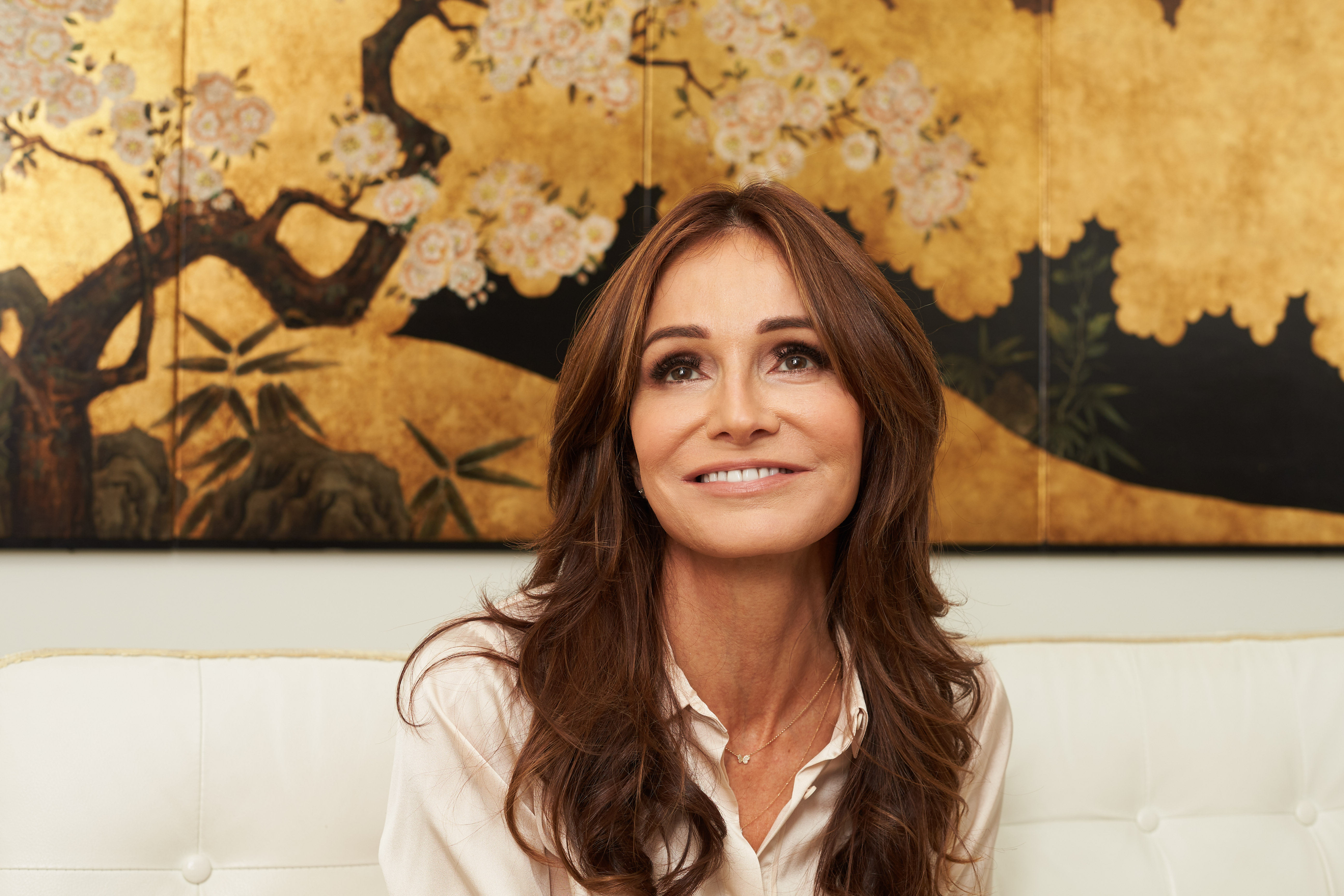
A licensed clinical psychologist in New York and Florida, Dr. Lisa Napolitano received her PhD in clinical psychology from Fordham University under the mentorship of Dean McKay. She also earned a juris doctor from the Benjamin N. Cardozo School of Law at Yeshiva University. In 2009, Dr. Lisa Napolitano established CBT/DBT Associates, a concierge psychology practice.
Dr. Lisa Napolitano offers her high functioning clientele cognitive behavioral therapy (CBT) and dialectical behavior therapy (DBT, which integrates behavioral therapy with mindfulness and Zen Buddhist practice.
Dr. Napolitano has authored several peer-reviewed articles, as well as the books Emotion Regulation in Psychotherapy: A Practitioner’s Guide and Dr. Lisa Says: Wisdom from CBT and DBT, among others. Her professional affiliations include the Association for Behavioral and Cognitive Therapies, having served on the program committee for over a decade, and the Academy of Cognitive Therapy un which she is a Fellow and Certified Training and Consultant. She is lifelong fitness enthusiast with interests ranging from strength training and hiking to yoga and tennis.
What is your typical day, and how do you make it productive?
I begin every day with a series of practices designed to put myself into an effective mindset—one that is positive, focused on what needs to be done.
I’m an early riser and set my alarm for 6:00. While I’m drinking my morning coffee, I do my gratitude journal for 10 to 15 minutes. I’ve found, and research shows, that gratitude makes us more resilient—better able to handle the day’s challenges effectively. The practice induces a state of gratitude that is incompatible with anxiety and negative thinking. The next practice I do, and I’ve been doing for over 10 years, is positive data log. For 10 to 15 minutes, I note and record anything that’s arguably positive. This practice is designed to offset for the entrenched negativity bias we all have and to train my mind to be aware of the positive. Some of the items are redundant: good night’s sleep, good coffee, and others pertain to the positive things that have happened over the previous days, both personally and professionally. For example, productive client meetings, enjoyed the basketball game, sunny day. After these two written practices, I meditate for 15 to 20 minutes. I like Insight Timer because I set an intention for the day. Lately, mine has been to be effective and take in the good in my life.
After these practices, I head over to the gym for an early-morning strength training session three days a week. On the other days, I like to start the day with cardio. If I’m in Miami, I ride my bike for about 20 miles along the beach path, taking in the ocean air. Otherwise, I run or cycle indoors. For me to work effectively with clients, I need to be fully present and focus my undivided, nonjudgmental awareness on what they are discussing. Exercising in the morning clears my head and makes it easier to sit during sessions for the rest of the day.
Depending on the day of the week, my client meetings start at 8 am or 10 am. I see my Miami clients in person at my office in Coral Gables and my NYC and international clients on Zoom. I specialize in cognitive behavioral therapy (CBT) and dialectical behavior therapy (DBT), both evidence-based and time-limited treatments. I have an interesting mix of clients who are all high achievers. Approximately, 25 percent are attorneys, 60 percent are executives in other industries, and the remaining 15 percent are college and graduate students in their 20s or recent grads transitioning to the workplace. Depending on the client and the nature of their problems, I am either doing performance coaching sessions with attorneys and executives or individual CBT or dialectical behavior therapy. I am passionate about evidence-based treatments, and it’s gratifying to see people change their thinking, behavior, and their lives in the ways they want. On Monday nights, I lead a DBT skills training group. This group is focused on teaching mindfulness, relationship enhancement and communication skills, emotion regulation skills, and distress tolerance skills.
After work, I like to reflect on what I’ve accomplished. Then, I typically unwind with an exercise class and having dinner with family or friends. As a coach and psychologist, I’ve found that cultivating my interests outside of work helps me to manage stress. Mine include yoga, salsa, hiking, and biking. Time spent in nature is my go-to reboot.
How do you bring ideas to life?
I like to go for a run or bike ride. Vigorous activity and fresh air clear my head and take my emotions down. Then, I like to make a list of what I need to do and prioritize the projects in terms of deadlines and importance. I find that for each project, it’s important to break it into smaller steps and check them off as I go. Giving myself credit for incremental progress towards my goals helps me sustain motivation to keep working on them.
What’s one trend that excites you?
The rise of evidence-based or science-backed influencers is a trend that definitely excites me. As a scientist practitioner, it’s gratifying to see influencers who prioritize rigorous research, cite studies, and promote verifiable claims over hype gain traction across platforms like Instagram, TikTok, and X (formerly Twitter). I love that there is a demand for authenticity and educational content. Some of my favorites are Andrew Huberman, Mark Hyman, and Peter Attia.
What is one habit that helps you be productive?
I like Microsoft Outlook. I schedule my personal and professional appointments, including all Zoom meetings, there and give time blocks for writing projects and returning emails. I love having the calendar synched with my phone and getting reminders.
What advice would you give your younger self?
Take emotions into consideration when choosing your career path. After college, I made a decision to pursue a career in law that was purely rational. I reasoned that it was a well-defined path and a good match with my analytical and verbal skills. I think many people make major life decisions this way, believing emotions should not be taken into consideration. But from my Buddhist practice, I’ve learned that emotions are part of our inherent wisdom. In dialectical behavior therapy, our wise mind is an integration of reason and emotion, plus intuition and our values. Law ended up being the wrong choice for me, although, logically, it made sense. My subsequent decision to pursue a career in psychology, which is my passion and has been incredibly fulfilling, was based on reason and emotion.
The other piece of advice I would give to my younger self is to allow for serendipity. When I speak with psychology majors and early-career psychologists, they often assume I had planned my entire career trajectory from the outset. Actually, many unforeseen opportunities arose by happenstance, like the opportunity to conduct and organize CBT trainings in Beijing and the opportunity to do the Goldman Sachs 10,000 Small Businesses program.
Tell us something you believe that almost nobody agrees with you on.
That Yogi Berra was an unheralded genius. I keep a book of his. Quotes in the office. One of my favorite Yogi-isms is “It ain’t over ‘till it’s over,” which makes for a great coaching statement when you feel like quitting. Clients love it. The other is “When you come to the fork in the road, take it.” I can’t tell you how many times over the course of 20 years I’ve used that line with clients that were paralyzed by indecision, standing at the proverbial fork in the road for years. Usually as a result of perfectionism or the demand for absolute certainty that their choice will lead to a particular outcome. For me, this Yogi-ism is about the importance of viewing our life choices as trial and error and that we have the ability to course correct.
What is the one thing you repeatedly do and recommend everyone else do?
I have been doing a daily practice I call positive data log for over 10 years and recommend it to all of my clients. I take five or 10 minutes every morning to note anything that’s arguably positive, big and small. This practice is designed to offset for the entrenched negativity bias in our brain, which results in us noting negative information and events and encoding them more readily than the positive. It builds on the scientific fact of neuroplasticity—the brain is malleable and can be changed, new neural networks can be formed. Studies consistently show that hand writing engages the brain more extensively than typing and heightens activity in the memory regions, so I write mine with pen or stylus.
When you feel overwhelmed or unfocused, what do you do?
Same as previous question—I have been doing a daily practice I call positive data log for over 10 years. I take five or 10 minutes every morning to record anything that’s arguably positive, big and small. Some of the items are redundant: good night’s sleep, good coffee. This practice is designed to offset for the entrenched negativity bias in our brain, which results in us noting negative information and events and encoding them more readily than the positive. It builds on the scientific fact of neuroplasticity—the brain is malleable and can be changed, new neural networks can be formed. Studies consistently show that hand writing engages the brain more extensively than typing and heightens activity in the memory regions, so I write mine with pen or stylus.
What is one strategy that has helped you grow your business or advance in your career?
When I first opened my psychology practice group on Madison Avenue in Manhattan in 2009, I noticed that few people in my industry sent thank-you notes to referral sources. So, I began the practice. It wasn’t simply about acknowledging people, which they appreciate, but I also saw it as an opportunity to my market services, increase awareness of my business, build name recognition, and stay top of mind with referral sources. As simple as this sounds, it has been an incredibly effective strategy for growing my referral base.
What is one failure in your career, how did you overcome it, and what lessons did you take away from it?
My first effort to launch a DBT skills training group in 2004 was definitely a failure. I was working for someone else at the time who took the lead in marketing the group to his referral sources. I held the group during the day and in my small office.
Despite recruitment efforts, I ended up with only two women, both of whom were unemployed, severely depressed, and mostly cried for the duration of the group. They had wanted an open-ended discussion/support group and disliked the structure and educational content of the group. After several weeks, one woman dropped out and the group was disbanded. This experience led me to refine my target population for the offering.
My colleagues and I at the practice were working with high-functioning professionals and graduate students for individual therapy yet somehow referral sources had sent severely impaired people to the group. I decided to remarket the group as DBT skills for high-functioning people. This required educating referral sources that DBT is not just for low-functioning people. I changed the time of the group to the evening to accommodate work schedules and made full-time employment or enrollment in school a condition of eligibility to join the group.
In my intake appointments with potential group members, I oriented them to the structure and didactic nature of the group. Within months, I had so many participants we needed to relocate the meeting into a large corner office. After one year, I added and completely filled a second group during the week. My two primary lessons from this failure were the importance of defining the target population for the offering and creating a marketing plan for consumers and referral sources that specifies the target population.
What is one piece of software that helps you be productive? How do you use it?
The type of software I use depends on the tasks. For productivity, I like Microsoft Outlook. I schedule my personal and professional appointments, including all Zoom meetings, there and give time blocks for writing projects and returning email. I love having the calendar synched with my phone and getting reminders. For writing projects and brainstorming, I like AI platforms like Grok or ChatGPT.
What is the best $100 you recently spent? What and why?
I recently upgraded to LinkedIn Premium, and it was money well spent. I can now view the full list of people who checked my profile (including over the last 90 days), helping me identify potential opportunities or connections. I can also send direct messages to people outside my network. Other benefits include AI-powered tools for writing and enhanced visibility in searches.
Do you have a favorite book or podcast you’ve gotten a ton of value from and why?
One of my favorite books is Hardwiring Happiness by neuropsychologist Rick Hanson. Building on the principle of neuroplasticity (the brain’s ability to change), Hanson explains how you can rewire the brain with simple daily practices so that your capacity for happiness and ability to take in the good in your life are increased. Simple practices like gratitude journaling and noting positive experiences done repeatedly over a period of time can actually change the brain. I’ve incorporated his work into my daily routines and as a psychologist in sessions with my clients.
What’s a movie or series you recently enjoyed and why?
My all-time favorite movie is a documentary called Unmistaken Child directed by Israeli filmmaker Nati Baratz. It follows the real-life journey of Tenzin Zopa, a young and devoted Tibetan Buddhist monk who is tasked by the Dalai Lama with finding the reincarnation of his late master, the revered Geshe Lama Konchog, who passed away in 2001 at age 84.
The film spans over five years, documenting Tenzin’s arduous four-year search through remote villages in Nepal’s Tsum Valley. Guided by dreams, astrology, divination, and oracles, Tenzin travels on foot, by mule, and occasionally helicopter across stunning Himalayan landscapes. He interviews families, observes young boys, and conducts traditional tests—such as seeing if a child recognizes his master’s former possessions (like rosary beads, bells, or drums).
Tenzin eventually identifies a toddler who passes rigorous tests, including recognition by senior lamas and, ultimately, approval from the Dalai Lama. The documentary then explores the emotional process of separating the child from his loving parents—who agree to relinquish him for monastic life—and his enthronement as the new Rinpoche (reincarnated lama).
I love how the film nonjudgmentally highlights themes of faith, devotion, loss, and rebirth in Tibetan Buddhism while capturing the boy’s charming personality and Tenzin’s transformation from disciple to caretaker.
Key learnings
- Emotions (which are part of our inherent wisdom) and serendipity should play a role in choosing career trajectory.
- To manage and prevent overwhelm, learn techniques that cultivate a positive mindset and offset the negativity bias that influences information processing, thinking, and emotional responding.
- Use failure as a tool for learning how to improve.
- Creating schedules and using apps that provide reminders via syncing your phone and calendar increase productivity.
- Prioritization helps decrease feeling overwhelmed when bringing ideas to life.