
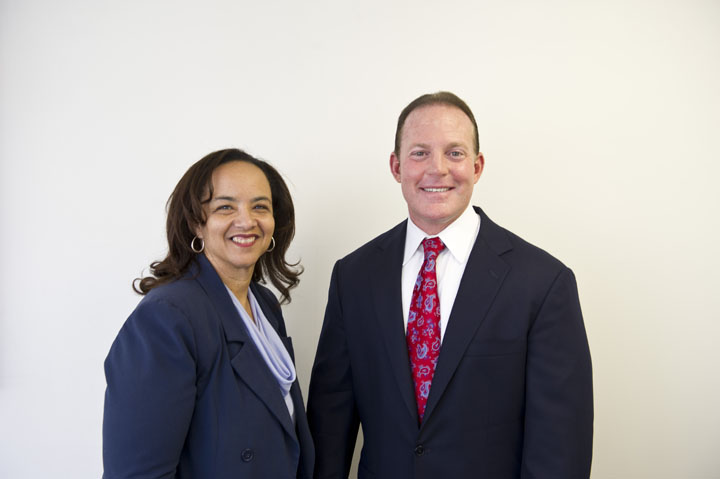
Anthony Galluccio grew up in Cambridge surrounded by public life. His father was a political figure who worked closely with John F. Kennedy, and civic responsibility was part of daily conversation. That sense of duty deepened when Anthony lost his father at age 11. From an early age, he learned to rely on friendships, mentors,community support , and follow-through.While his fathers loss dramatically changed his families financial and emotional stability his mother quickly became his hero and “North Star”.
Sports became his anchor. At Cambridge Rindge & Latin School, he was a three-sport varsity athlete and captain. Baseball was his first love and where he first made friendships and football taught him that every player is critical. He carried those lessons of friendship and team building through Providence College and later Suffolk University Law School , where he graduated cum laude. He worked full time, ran for city council while attending law school at night. His mothers example of working long hours to keep his family together was an example that Anthony kept with him as he worked throughout college and worked full time while attending law school at night.
Anthony entered public service young. He spent more than a decade on the Cambridge City Council, served as Mayor from 2000 to 2001, and later represented Cambridge and parts of Boston and surrounding cities and towns,as a Massachusetts State Senator. Those years taught him how decisions really get made and how relationships and persistence matters more than volume.Anthony lost races in his political career and used that frequently in speaking to young people. A set back is a set up for a comeback. Learning more from adversity than success is a common theme.
In 2010, he shifted fully into law, co-founding Galluccio & Watson LLP with Cheryl Watson Fisher, an experienced City Solicitor family law practitioner and High school friend. The firm is a throwback as it represents both neighborhood clients and large business clients. He now focuses specifically on land use and permitting, helping clients move projects forward by understanding the community, local government , and process. Creating among the largest community benefits agreements in the region is a specialty.
Outside work, Anthony has coached youth baseball and football for over 20 years. He has also built charities supporting paediatric cancer care, youth sports, and families in need. Across every chapter, his life reflects a steady bel
What is your typical day, and how do you make it productive?
My days start early. When I turn on I don’t stop. I was used to very early mornings in campaigns and working late because of countless political meetings and events. That work ethic stayed with me long after my days in elected office. Campaigns also taught me that you personally have to show up and inspire your team. Ideas mean nothing if you do not walk the walk. I usually get some form of exercise before work or later at night to close my day.. My day is built around a work checklist and a checklist of helping people. It’s a life balance. I might have an intense permitting call laying out strategy then on the phone for a request for funds for a child fighting cancer or a local family looking for housing or a young person looking for a job. My work ethos is instilled , the balance is critical to my longevity and happiness with me as a person.
How do you bring ideas to life?
I test them against reality quickly. My father said “ I find the common sense of the common man far more discerning than the intellect of the individual” If an idea cannot survive contact with real people or real constraints, it needs work. Most of my ideas came from seeing gaps. I am constantly talking to a diverse set of people and testing my sense of the world. In government. In youth sports. In charity. Maintaining relationships is everything. Whether it’s a check in, a thank you note or supporting a family when in need, it’s part of my fabric.
What’s one trend that excites you?
I’m encouraged by communities paying more attention to process. Holding the government more accountable is critical. People want to understand how decisions are made, not just react to outcomes. If you try to go around the community it’s like building a house with no foundation. That matters in land use and civic life. Social media is a great new tool but not a substitute for personal relationships.
What is one habit that helps you be productive?
Hard work , consistency and doing what I say I am going to do. I do the same core things every day. Life is like a cake. If one key ingredient is missed the cake falls apart. Helping others, Your clients, Preparation. Communication and fitness . That’s my balance.
What advice would you give your younger self?
Life is a marathon not a spring and there is opportunity in every setback. Stay ready mentally and physically. Work to win and prepare to fall. You don’t need to rush outcomes. If you build the right habits and foundation and do not do things with expectation of immediate return.
Tell us something you believe almost nobody agrees with you on?
People are generally good and have faith that they see the good in you
What is the one thing you repeatedly do and recommend everyone else do?
Wake up, show up and outwork your opponent.
When you feel overwhelmed or unfocused, what do you do?
Go back to helping the less fortunate and get perspective. Feeling sorry for yourself is a sign you lost perspective
What is one strategy that has helped you grow your business or advance in your career?
Double down on friendships always. When things are not going well, spend even more time nurturing relationships. When you have a setback, find the opportunity in it.
What is one failure in your career, how did you overcome it, and what lessons did you take away from it?
That I need a balance in my life. Guilt and past trauma will eat you alive unless you accept and validate the pain and you figure out how to create a life balance that works for you. Processing grief and loss before it leads to unhealthy behaviors is key.
Early in public office, I tried to move too fast and thought I was super human. I had no balance, I was all adrenaline. When you’re good at something and young, adrenaline and the expectations of others can take over.
What is one business idea you’re willing to give away to our readers?
Ask your competitors how they do it. Share ideas. A competitor today is a partner tomorrow.
What is one piece of software that helps you be productive? How do you use it?
I am still very hands on.. If I personally do not put it on my own calendar I forget it. I remember saying to my Mom when I was a city councillor” I have to go to a wake”. She said no one asked you to run for office. Do things for the right reason and from your heart and don’t complain about it”. She was right. Make it personal.
Do you have a favorite book or podcast you’ve gotten a ton of value from and why?
The Alchemist. Life is a romantic journey. It’s like a rip tide , letting it take you where it wants.
What’s a movie or series you recently enjoyed and why?
“The Rip” on Netflix. Matt and Ben are from Cambridge. They went to CRLS and I was in a play with Matt when we were very young. Seeing them together is awesome and it’s about good cops, for once.
Key learnings
- Long-term impact is built through relationships, not moments.
- Preparation and consistency reduce stress and improve outcomes.
- Life balance supports mental clarity and better decisions.
- Trust grows when you consistently show up and lead by example
- Investing in building trust is often more valuable than speed.