
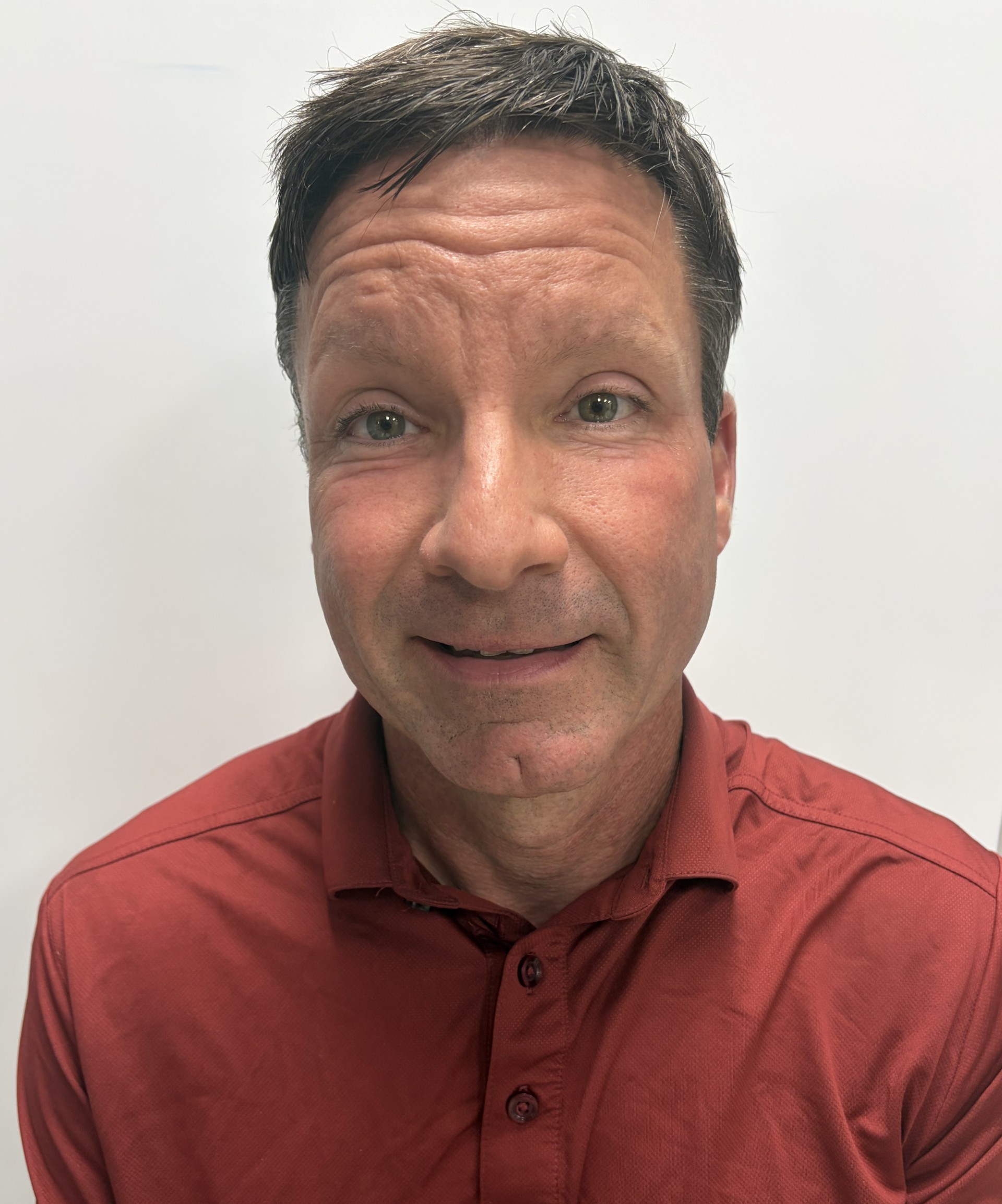
Since 2008, Joseph Korzelius has worked as a licensed professional clinical counselor (LPCC) with Western Carolina Counseling, LLC, in Simpsonville, South Carolina. He conducts group and individual counseling sessions as an LPCC, in addition to supporting members of his clients’ families and collaborating on treatment plans with a diversity of healthcare professionals. Additionally, Joseph Frank Korzelius leads prevention programs and educational workshops, among other responsibilities.
Joseph Korzelius is a member of numerous professional organizations, including the National Board for Certified Counselors, the American Mental Health Counselors Association, and Counseling.org. He regularly attends continuing education courses, especially those focused on cognitive-behavioral therapy and dialectical behavior therapy. He also works as a grief counselor with the DC Medical Examiner’s Office and has presented the “ScreamFree Parenting” seminar to multiple school families.
Academically, Joseph Frank Korzelius studied political science at Syracuse University in Utica, New York. He served as a member of the college’s James Sherman Society, interned with the United States Department of Justice, and volunteered with Big Brothers Big Sisters.
What is your typical day, and how do you make it productive?
My typical day begins not with the blare of an alarm, but with the quiet discipline of self-care—a deliberate choice to fill my own cup before I can hold space for my clients. The early hours are my non-negotiable time to practice the very mindfulness and grounding techniques I advocate in my sessions.
I rise at 5:30 am and, for five minutes, I sit in silence, focusing solely on the sensation of my breath and the box breathing technique—the cool air entering my nostrils, the gentle rise and fall of my abdomen. This simple act of presence trains my nervous system to regulate and helps clear the mental clutter that often accumulates overnight.
Following my breathing exercise, I transition immediately into stretching and abdominal work. The physical exertion helps dissipate any latent stress and energizes my system in a healthy, controlled way.
By 6:15 am, I’m showered and preparing a nourishing breakfast. I use this time to set an intention for the day, mentally reviewing my schedule and focusing on the quality of presence I want to bring to each client. I pack a lunch and snacks, ensuring I have the fuel needed to sustain empathy and energy throughout a full caseload.
I arrive at my office around 8:15 am, 45 minutes before my first client. This buffer allows me to transition from “my time” to “professional time,” organizing case notes, preparing the therapy room to feel welcoming and safe, and ensuring the environment is conducive to deep, focused work.
My client sessions run from 9:00 am to 5:00 pm, with scheduled breaks. To maintain productivity and avoid burnout during these hours, I employ micro-mindfulness techniques. In the five minutes between sessions, I stand up, stretch, look out a window to refocus my eyes, and take three deep, slow breaths. This resets my mental space, allowing me to fully disconnect from the previous session’s emotional residue and fully prepare to be present for the next individual’s unique needs.
The synergy between my morning routine and my workday is profound. The early hours I dedicate to myself allow me to approach my clients not just as a skilled professional, but as a grounded, regulated, and resilient human being capable of offering the deep, compassionate support required in this vital work.
How do you bring ideas to life?
In my practice, bringing ideas to life means moving abstract psychological concepts into tangible behavioral changes for my clients. It often starts with collaboratively creating a clear treatment plan, then utilizing techniques like Cognitive Behavioral Therapy (CBT) to challenge unhelpful thought patterns and practicing new coping skills in session, gradually building the client’s confidence to apply them in their daily life.
What’s one trend that excites you?
I’m particularly excited by the widespread adoption and acceptance of telemental health services. This trend has drastically increased accessibility for clients who previously faced barriers like distance, scheduling conflicts, or physical limitations, ensuring more people receive timely and consistent care.
What is one habit that helps you be productive?
One essential habit is rigorous time blocking and scheduling. Given the emotional weight of my work, I schedule specific “buffer” time between sessions for clinical notetaking, self-care breaks, and mental resets. This prevents client information from bleeding into one another and ensures I am fully present and focused for every appointment.
What advice would you give your younger self?
I would tell my younger self to establish firm boundaries early on and prioritize my own self-care with the same diligence I apply to my clients’ well-being. It took time to realize that maintaining my own mental health isn’t selfish; it’s a professional necessity to provide sustainable, quality care over a 20-year career. Also, I would tell my younger self to breathe and enjoy the connections and moments with my clients, family, and friends.
Tell us something you believe that almost nobody agrees with you on.
I believe that “happiness” is an overvalued and often unhelpful metric for mental wellness. A more realistic and functional goal is emotional agility—the ability to experience and navigate the full spectrum of human emotions (including sadness and anger) without getting stuck in them. We shouldn’t aim to eliminate negative feelings but learn to process them effectively. Emotional regulation is a better long-term approach to mental health and stability than quick hits of dopamine and excitement, which will not endure.
What is the one thing you repeatedly do and recommend everyone else do?
I repeatedly practice and highly recommend active listening. This means truly focusing on the speaker, reflecting back what you hear, and withholding judgment or the urge to formulate your own response. It strengthens every relationship—professional and personal—by making people feel genuinely seen and understood. This may seem like an easy task, but to do it effectively on an ongoing basis to create deep connections is an arduous, lifelong endeavor.
When you feel overwhelmed or unfocused, what do you do?
When overwhelmed, I rely on a simple grounding technique: the box breathing method. Taking a few minutes to regulate my nervous system helps clear the “emotional residue” of difficult sessions and brings me back to a state of centered focus.
What is one strategy that has helped you grow your business or advance in your career?
Specializing in veterans’ mental health has been my key strategy. By focusing on a specific niche rather than being a generalist, I became a recognized expert in my local area, which built strong referral networks with the VA and other hospitals, ensuring a steady flow of clients who specifically need my expertise.
What is one failure in your career, how did you overcome it, and what lessons did you take away from it?
Early in my career, I failed to set a firm boundary with a highly demanding client, which led to professional burnout and strained the therapeutic relationship. I overcame it by seeking rigorous supervision and eventually having an honest conversation about boundaries with the client. The lesson was clear: maintaining professional boundaries isn’t just for the therapist’s protection, it models healthy relationship dynamics for the client.
What is one business idea you’re willing to give away to our readers?
A subscription service that sends out “check your pulse” via text or email daily. Simple, evidence-based prompts that take less than five minutes to complete, designed to build consistency in well-being practices for busy professionals. This is imperative to building rapport with clients on non-client session days.
What is one piece of software that helps you be productive? How do you use it?
My electronic health records (EHR) system, SimplePractice, which manages scheduling, billing, and HIPAA-compliant notetaking. It streamlines all administrative tasks, allowing me to spend less time on paperwork and more time in direct client care.”
What is the best $100 you recently spent? What and why?
A high-quality white noise machine for my office. It’s an invaluable professional tool that ensures confidentiality and creates a calm, consistent environment for therapeutic depth without distraction. My clients feel more at ease when they believe they are in a HIPAA-compliant office or telehealth platform.
Do you have a favorite book or podcast you’ve gotten a ton of value from and why?
A foundational book for me is The Body Keeps the Score by Bessel van der Kolk. It revolutionized my understanding of trauma and reinforced the importance of integrating somatic experiences into traditional talk therapy for holistic healing.
What’s a movie or series you recently enjoyed and why?
I recently enjoyed the Ted Lasso series. Beyond the humor, it’s a brilliant depiction of modern masculinity, vulnerability, and the power of positive psychology and empathy in fostering growth and strong teams. My son is an avid soccer player, and he really enjoyed watching as well.
Key learnings
- Focus on emotional agility rather than constant happiness as a goal for mental wellness.
- Rigorous boundaries and self-care are essential professional responsibilities for sustainable careers in emotionally demanding fields.
- Specializing in a niche area can significantly enhance professional recognition and business growth.
- Active listening is a fundamental skill that strengthens all relationships.
- Maintaining a positive attitude through mindfulness activities is imperative for long-term mental health benefits.