
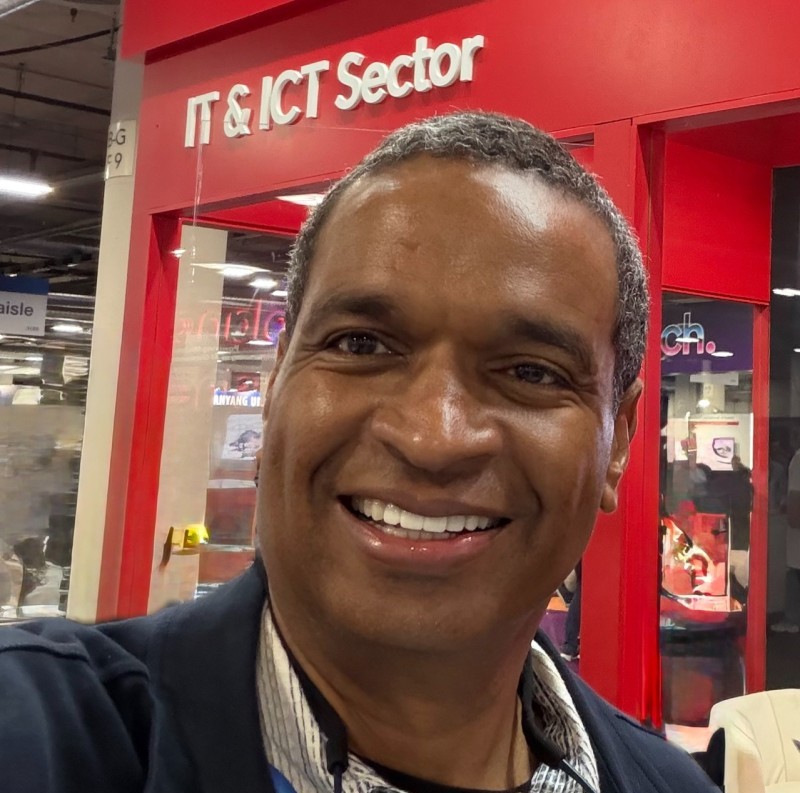
As the founder and CEO of Braintrust Capital, Roger Graham leverages over 25 years of experience as a financial advisor to provide his clients with personalized financial advisory services. Braintrust Capital specializes in financial planning, portfolio management, and estate planning for a diverse clientele, including individuals and institutions. Throughout his career, Roger Graham has held various roles, from portfolio management to economic development consulting, making him a well-rounded expert in the financial industry.
At Braintrust Capital, Mr. Graham delivers comprehensive wealth management services such as retirement planning, business succession planning, and investment policy development. Previously, he held senior positions at UBS and Morgan Stanley, where he honed his skills in strategic asset management and financial planning.
In addition to his professional achievements, Mr. Graham contributes to community service initiatives. For example, he served on the boards of the Keystone School, City Year San Antonio, and the Episcopal Diocese of West Texas. His educational background includes a JD from the University of Michigan School of Law, supplemented by executive education at Yale and the University of Chicago.
What is your typical day, and how do you make it productive?
Mornings are reserved for deep work such as reading, writing, and strategic thinking before emails or meetings. Afternoons are dedicated to conversations, decisions, and execution. Productivity comes from doing the right things early, not doing more things overall.
How do you bring ideas to life?
Ideas are pressure-tested quickly by reducing them to first principles, clarifying who the idea is for, what problem it solves, and why it matters. The smallest possible version is built first—often a memo, model, or real-world conversation—to test against reality.
What’s one trend that excites you?
The unbundling and rebuilding of professional services—particularly finance, tax, and advisory work—around transparency, clarity, and better incentive alignment.
What is one habit that helps you be productive?
Writing consistently. Writing forces clarity, exposes weak thinking, slows down poor decisions, and compounds over time.
What advice would you give your younger self?
Time is more valuable than money, and reputation is more valuable than both. Be patient, think long-term, and don’t confuse activity with progress.
Tell us something you believe that almost nobody agrees with you on.
Most people don’t need more information—they need fewer decisions. Thoughtful simplicity beats constant optimization.
What is the one thing you repeatedly do and recommend everyone else do?
Regularly step back and ask, “What actually matters here?” This single question eliminates unnecessary work and sharpens focus.
When you feel overwhelmed or unfocused, what do you do?
Stop consuming information and start clarifying priorities. Write down the three most important things that matter right now and ignore everything else.
What is one strategy that has helped you grow your business or advance in your career?
Positioning around trust, judgment, and long-term alignment rather than price or speed. This attracts better clients, higher-quality opportunities, and more durable relationships.
What is one failure in your career, how did you overcome it, and what lessons did you take away from it?
Early in my career, I said yes to too many misaligned opportunities. I overcame this by becoming far more selective. The key lesson was that every yes is also a no to something better.
What is one business idea you’re willing to give away to our readers?
A flat-fee, subscription-based financial second-opinion service for high-earning professionals focused on identifying blind spots in taxes, investments, and estate planning—without selling products.
What is one piece of software that helps you be productive? How do you use it?
A simple notes or plain-text editor used for thinking, outlining, and capturing ideas quickly without friction.
What is the best $100 you recently spent? What and why?
Books. They provide one of the highest returns on investment by delivering ideas that compound over time.
Do you have a favorite book or podcast you’ve gotten a ton of value from and why?
Books and podcasts focused on first principles thinking, decision-making, and long-term investing because they teach how to think rather than what to think.
What’s a movie or series you recently enjoyed and why?
“Succession,” for its clear and unsentimental portrayal of power, incentives, ego, and human behavior in high-stakes environments.
Key learnings
- Long-term success is driven more by judgment, clarity, and alignment than by constant activity or optimization.
- Writing and first principles thinking help reduce complexity and improve the quality of decisions.
- Selective decision-making and saying no more often create leverage and better outcomes.
- Trust, reputation, and incentive alignment compound over time and form durable competitive advantages.
- Overwhelm is best solved through prioritization and clarity, not more information or tools.