
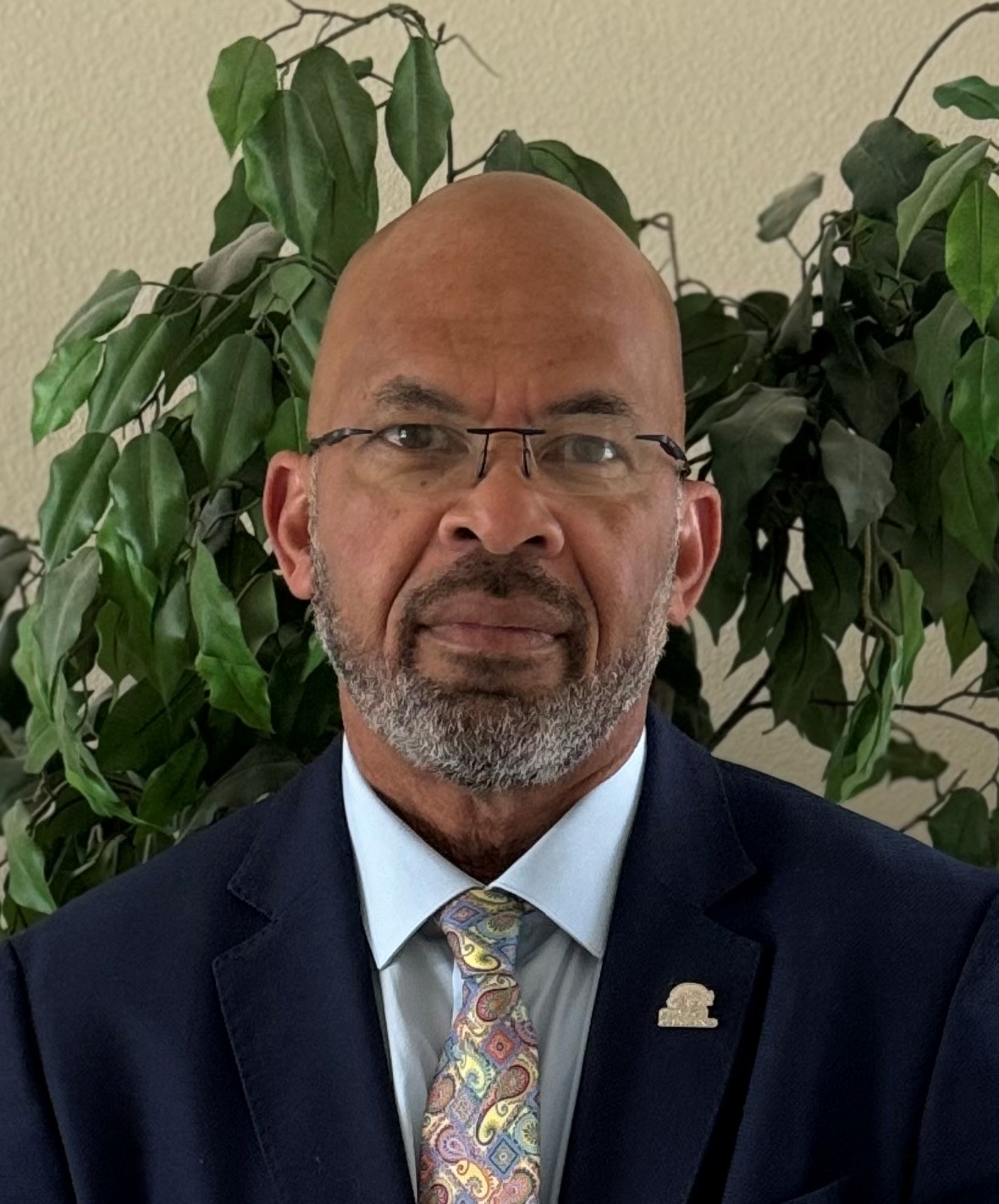
G. Harold Duffey is an experienced city administrator in California. During his time as the assistant city administrator for the City of Oakland, he oversaw various public works, transportation, and homelessness initiatives. He ensured that all policies and programs complied with the city council’s directives and reported directly to the city administrator. Additionally, G. Harold Duffey supported core services across multiple municipal departments.
Previously, Harold Duffey served as Oakland’s public works director. He launched a new bulky-item collection program for multifamily dwellings. Harold Duffey also managed the city’s capital improvement programs and a $1 billion waste management program, the largest contract in the city. He previously gained experience as the city manager of Grand Terrace and Compton.
Mr. Duffey has made numerous presentations to the city council during his career, focusing on budgets and recycling programs. He earned a master of public administration from California State University, San Bernardino. Apart from his activities in city government, he enjoys staying active by jogging around Lake Merritt.
What is your typical day, and how do you make it productive?
My typical day starts with me adding any notes from my daily log list to my master list. I try to make sure that if I think of anything while I am not at work, I jot it down in my phone and transfer the information to my master list at the office. By writing these notes down, I can clear my mind and not worry about forgetting the information. I will review my calendar to make sure I know where I am supposed to be and check for any media stories about my organization to make sure I have the most relevant information. A key part of my position is understanding what is happening in the community and letting policy makers know through updates. Once I get into the office, I check in with my executive assistant and make sure I am on course for the day. Also, I check emails via my cell phone, which is obviously a mini office computer.
We also want to make sure that people understand that I have an open-door policy, and if anyone has pressing issues, they can talk with me. The goal is to facilitate a discussion and not decide on behalf of my direct reports. While I often start my day off with a list of things that I would like to get done, things come up and a successful day is done through a measurement of what was accomplished and if I was able to help my team. It’s not measured by how many things I was able to accomplish from my original list. Success is measured by “Is the organization moving forward?” “Are we working toward our goals and objectives?” and “Did we address an issue or were we surprised and reactive to an issue? “Protactive vs. reactive measures.”
How do you bring ideas to life?
Constant review of existing assets and asking these questions:
1. Are we maximizing this asset?
2. What is its true value?
3. How would policy makers feel if we made changes to the asset? Let’s show them the value and what the cost or benefits would be to changing the value.
4. What is the impact on the community?
5. Do we need a sample or pilot program to demonstrate this, or shall we try to revolutionize this asset by moving full steam ahead?
6. Check in with policy makers with relevant information, and review analyses with them and make a recommendation.
7. What happens if we don’t do this, and why do we need an analysis?
8. The concepts are usually started with conversations with technical experts and trying to make sure we are efficient and maximizing our assets.
What’s one trend that excites you?
Advancements in battery technology. As electrification demands that municipalities grow, it’s good to see growing investment and an increase in battery life for alternative fuel vehicles. More miles and the ability to power cities during major grid disruptions are also very promising. Battery energy storage facilities can harness energy when it is produced and stored and place it into the grid, lowering our costs and making energy available to everyone.
What is one habit that helps you be productive?
Consistently asking what our goals are for each unit of our organization and reviewing our top 10 list that aligns with the council’s goals and objectives. Watching my strategic (five-year) approach and focusing on tactical (two-year and six-month) and operational (six-month) plans to ensure that we plan accordingly and reach our overall goals. Knowing where to put our resources at the right time is most important, as well as staying within the timeline to ensure that we secure resources and support our staff in meetings and scheduled activities within a specific timeframe.
What advice would you give your younger self?
Being efficient and right is a lonely place. Better to take time and bring people with you to the finish line. I would tell myself to take the time to explain and gain support from those who are engaged to make sure the organization supports new ideas versus requiring the organization to change. I would really move forward with explaining “meaningful involvement” versus the democratic process. When you engage employees, if you’re not careful they will think that you’re asking them what to do, and if you do this in a group setting they will listen to what the majority says and believe that is what will happen. They will become disenfranchised when it does not happen. I would tell my younger self to take the time to explain why we are having this conversation and explain that I want to know what they think, so that I may weigh those comments as I decide to make a decision.
Tell us something you believe that almost nobody agrees with you on.
If you wait long enough, the missing sock will be found. A nickel’s value is greater than 5 cents. Hydrox cookies were made before Oreos. Hot dogs are better with beans than on a bun. An unwatched person can be in a room alone with a big red button that says, “Don’t push”.
What is the one thing you repeatedly do and recommend everyone else do?
Did I produce one or more of the following?: Love, joy, patience, kindness, goodness, faithfulness, gentleness, and self-control.
When you feel overwhelmed or unfocused, what do you do?
When I feel overwhelmed, I break down the problem and figure out what parts of it I already have under control. It could be 10% or 70%, but at least I know it’s not hopeless and I can work from that angle. If I can tell the group what we accomplished so far and what we have left to tackle, I feel less defeated on the issue. Lead with success, and challenge the group to add on to it.
What is one strategy that has helped you grow your business or advance in your career?
Plan the work and work the plan. We often jump into something without really understanding the issue before we strategize on how to move forward. It’s like a new gadget. We know how to start and stop, and we figure out the rest of the features later. But if we take the time to understand the issue, where we would like to go, and what success looks like, we can be very efficient in delivering the project.
What is one failure in your career, how did you overcome it, and what lessons did you take away from it?
City manager in transition. The International City/County Management Association (ICMA) uses this term when a city manager is no longer at the former employer, but has not yet found new employment. ICMA works with these individuals to support them during this transition period. Some employees are terminated from cities for cause and some for no other reason other than the council decided to go in a different direction. In the latter scenario, the city manager usually has a severance package. I found myself in the latter category, with approximately six months left on a three-year contract, and the City Council on a 3-2 split decided to terminate my contract for no cause.
During my transition, I embraced the title. I had cards made up. The front had my name and contact information—City Manager in Transition—and on the back a quick history of my previous employers. Instead of being isolated, I attended meetings with colleagues in the profession, passed out my card and resume, and waited until I was able to secure a position. Within the six-month period, I was able to secure a position that lasted more than six years.
I am so glad that I was able to accept the termination of my contract and preserve my dignity and reputation. The lesson is how I handled it. I was professional and found a way to stay engaged and continue to interact with my peers. The profession of a city manager is a risky one, as elections can change situations and the council. I was the sixth city manager (2½-year tenure) to fill my seat in six years and No. 6 of 10 for the decade (2007 to 2017).
What is one piece of software that helps you be productive? How do you use it?
Outlook for communication and scheduling.
What is the best $100 you recently spent? What and why?
I never really gave a ladder much thought until mine broke. So I splurged on a retractable ladder. I can reach new heights and then store it in a small space. It’s not something you really think about until you need it. I have changed light bulbs in house with high ceilings, been in the attic, dusted windows, and climbed on the roof outside. It is really easy to maneuverer and requires very little storage space.
Do you have a favorite book or podcast you’ve gotten a ton of value from and why?
Efficiency seems to be my theme. I am able to work on achieving my 6-mile daily walk with the podcast Leading the Way. It allows me to take care of two spiritual needs at once: health of the body and mind. It’s a great way for me to start my day and puts me in the perfect mindset to have a fruitful day.
What’s a movie or series you recently enjoyed and why?
My daughter is finishing law school this year, so I decided to rewatch the Good Wife. I enjoyed watching the characters grow, and I pick up stuff I missed the first and second times I watched it. I also recall missing the sets. There are several memorable TV sets that I like: Alicia’s apartment on the Good Wife, Frasier’s apartment on Frasier, the house on Hot in Cleveland, the library in Person of Interest, and Southfork Ranch on Dallas. It’s the familiarity that takes me back to a simpler time in my life.
Key learnings
- Have an optimistic outlook to get things done.
- Have a routine to make things happen.
- Be a collaborator and motivator.
- Have a sense of humour and love life.