
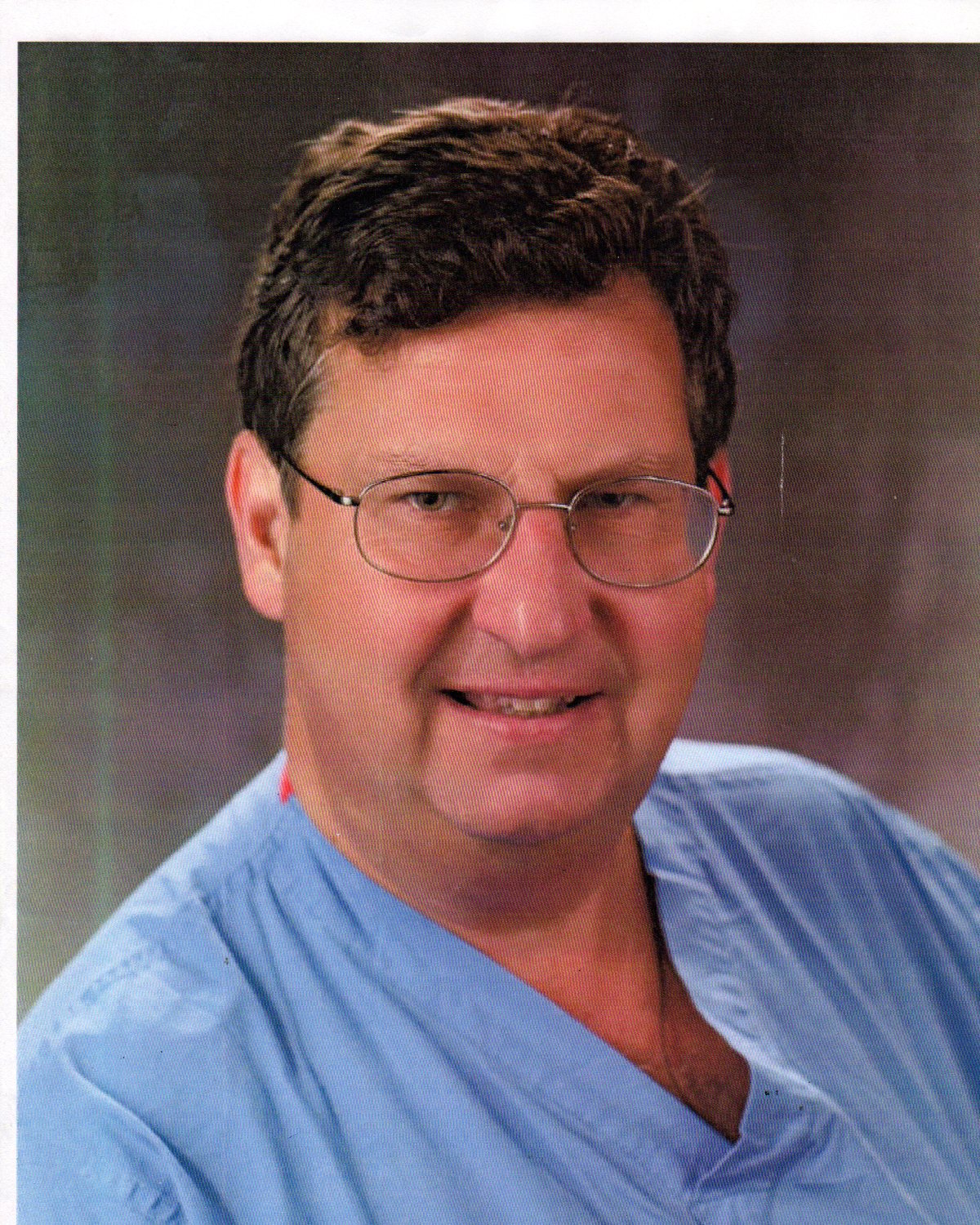
Dr. Fritz Baumgartner’s story begins in a modest home in Los Angeles, shaped by immigrant parents who believed deeply in faith, family, and hard work. Money was limited. Challenges were constant. But those early years built something lasting. Discipline. Resilience. Purpose.
As a child, he spoke German before English and struggled in school at first. By eighth grade, he had earned top recognition in writing. That same persistence followed him into medicine. After graduating from Loyola High School, he went on to Loyola Marymount University, where he earned top honours in biology. He later received his MD from UCLA and trained in surgery at Harbor-UCLA, followed by a cardiothoracic fellowship in Canada.
In the mid-1990s, he stepped into one of the most demanding environments in medicine. At Harbor-UCLA, he treated complex heart and lung conditions and severe trauma cases. Patients often arrived late in illness. The stakes were high. The decisions were fast.
Through it all, one idea stayed clear. Care for the patient.
Over time, his work expanded beyond the operating room. He trained young surgeons, taught physician assistants, and created a hands-on surgical boot camp to spark early interest in medicine. His writing explored the deeper meaning of the Hippocratic Oath and the role of ethics in care.
Today, his career reflects something simple but rare. A steady commitment to doing the work that matters most.
What is your typical day, and how do you make it productive?
My day usually starts early. I like quiet mornings. I review cases, look over notes, and prepare mentally. Surgery requires focus before you even step into the room. I try to keep things simple. Know the plan. Stay disciplined. That is how the day stays productive.
How do you bring ideas to life?
I test them in a practical way. For example, with my Surgery 101 programme, I realised students were disengaged with theory first. So I reversed it. I started with hands-on skills. Once they experience it, they want to learn more. Ideas work best when they are grounded in real experience.
What’s one trend that excites you?
The growing interest in minimally invasive surgery. Thoracoscopic techniques have changed how we approach certain procedures. But the key is to use technology wisely. It should always serve the patient.
What is one habit that helps you be productive?
Preparation. Whether it is surgery or teaching, preparation removes stress. It allows you to think clearly when things become difficult.
What advice would you give your younger self?
Be patient. Mastery takes time. Early in training, you want to move faster than you should. But skill is built step by step.
Tell us something you believe almost nobody agrees with you on?
I believe medicine has become too complex in how it defines success. It is not about systems or metrics. It is about the patient. That clarity is often lost.
What is the one thing you repeatedly do and recommend everyone else do?
Ask questions. Whether you are a patient or a student, ask. That is how you learn and take control.
When you feel overwhelmed or unfocused, what do you do?
I simplify. Focus on the next step. In surgery, you cannot think about everything at once. You deal with what is in front of you.
What is one strategy that has helped you grow your business or advance in your career?
Staying consistent. I did not chase recognition. I focused on doing the work well. Over time, that builds trust and opportunity.
What is one failure in your career, how did you overcome it, and what lessons did you take away from it?
Early in my training, I tried to take on too much at once. It affected my focus. I learned that doing fewer things well is better than doing many things poorly.
What is one business idea you’re willing to give away to our readers?
Create more practical learning programmes in medicine. There is a gap between theory and real-world application. Bridging that gap has value.
What is one piece of software that helps you be productive? How do you use it?
Simple note-taking tools. I keep things organised. It helps track cases, ideas, and teaching points.
Do you have a favorite book or podcast you’ve gotten a ton of value from and why?
I often return to writings on the Hippocratic Oath. They remind me why medicine exists.
What’s a movie or series you recently enjoyed and why?
I tend to prefer historical films. They show how people respond under pressure. That is relevant to medicine.
Key learnings
- Keep the mission simple. Focus on the patient above all else.
- Practical experience often drives deeper learning than theory alone.
- Consistency over time builds trust, skill, and long-term success.
- Asking questions is one of the most effective ways to learn and grow.
- Simplifying complex situations leads to better decisions under pressure.