
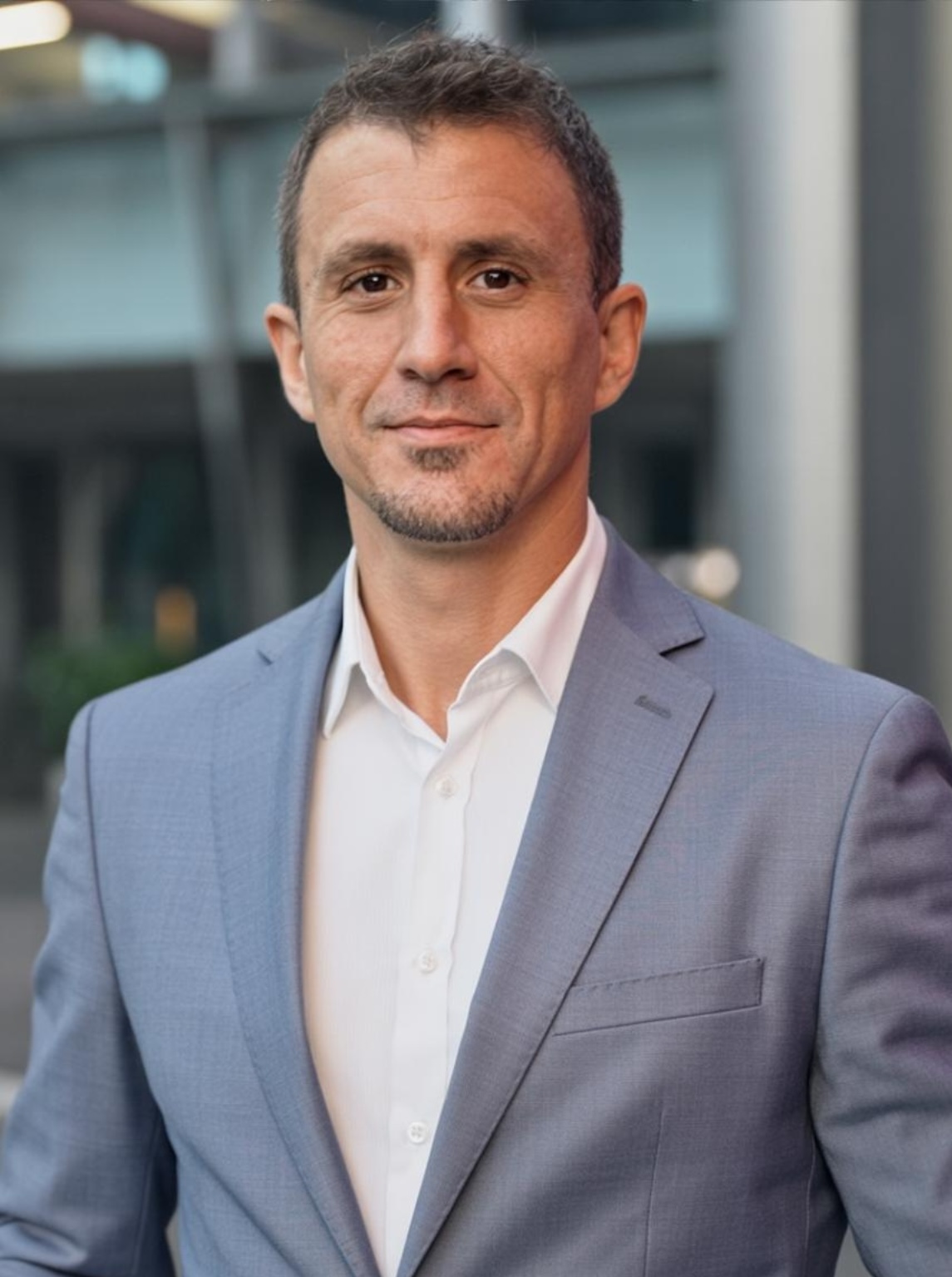
Evan Lausier is an enterprise systems leader with nearly two decades of experience delivering advanced ERP, EAM, and SaaS solutions for mid-market and enterprise organizations. With expertise in NetSuite ERP, Boomi integrations, and multi-system cloud architectures, Evan Lausier has earned a reputation as a trusted advisor to executive stakeholders navigating complex transformation initiatives.
Evan Lausier is a technical director at Highspring. Under his leadership, the practice has expanded its capabilities, improved delivery velocity, and strengthened its go-to-market strategy. He manages a portfolio with annual project revenue exceeding $2M while maintaining industry-leading client satisfaction and retention.
Between 2018 and 2022, Mr. Lausier was a solution architect at Grant Thornton. His frameworks, standards, and reusable patterns for system connectivity became core components of the practice’s operational model. He consistently exceeded revenue targets, contributed to product development and campus-store initiatives, and played a critical role in scaling the practice’s delivery capabilities.
Earlier in his career, he spent more than a decade at Infor Global Solutions as a senior consultant and solution architect. There, he designed and implemented complex EAM and ERP solutions across manufacturing, life sciences, supply chain, and other diverse enterprise verticals.
What is your typical day, and how do you make it productive?
My typical day balances strategic client work with innovation initiatives—I’m currently leading our efforts to pioneer AI-powered NetSuite integrations using emerging technologies like Model Context Protocol (MCP) to differentiate my service offerings. I stay productive by frontloading deep technical work in the morning, then shifting to client engagements and team collaboration in the afternoon. Physical activity through daily running and jiu-jitsu training keeps me mentally sharp and provides the clarity needed to solve complex implementation challenges.
How do you bring ideas to life?
I start by pressure-testing ideas against real client pain points—like our current work building AI-enhanced NetSuite solutions that can autonomously handle complex queries and transactions. Then I build quick proofs of concept to validate technical feasibility before scaling into full implementations. The key is moving fast from theory to working prototype so stakeholders can see tangible value early.
What’s one trend that excites you?
The convergence of AI with enterprise systems through technologies like Model Context Protocol is fundamentally changing how businesses interact with their ERP platforms. We’re moving from static integrations to intelligent systems that can understand context, make decisions, and execute complex workflows autonomously. This shift positions early adopters like Highspring to deliver unprecedented value to clients.
What is one habit that helps you be productive?
I protect my mornings for deep technical work—architecture design, coding, or strategic planning—before meetings and interruptions fragment my day. Daily physical training through running and jiu-jitsu creates mental clarity and teaches discipline that translates directly to tackling complex implementation challenges. This rhythm of focused morning work plus consistent physical activity keeps me operating at peak performance.
What advice would you give your younger self?
Invest earlier in building technical depth alongside consulting skills—the consultants who can both architect solutions and write the code to implement them are exponentially more valuable. Don’t be afraid to specialize deeply in one platform like NetSuite; true expertise in a high-demand ecosystem opens more doors than being generalist. And prioritize physical health from day one—the stamina required for this career is real. On a personal note, the truth behind the statement “you are what you eat.”
Tell us something you believe that almost nobody agrees with you on.
Most ERP implementations fail not because of technical limitations but because consultants over-customize instead of challenging clients to adopt platform best practices. The industry rewards complexity and billable hours when we should be rewarding simplicity and sustainable solutions. Clients would get far more value from 80 percent of the features implemented excellently than 100 percent implemented adequately.
What is the one thing you repeatedly do and recommend everyone else do?
I consistently invest time learning emerging technologies even when there’s no immediate project need—my current AI and MCP exploration started as curiosity that’s now becoming a key differentiator for our practice. This habit of continuous learning, combined with daily physical training, creates compounding advantages over time. The best consultants I know are perpetual students who stay ahead of market trends.
When you feel overwhelmed or unfocused, what do you do?
I step away from the screen and go for a run or hit the mats for jiu-jitsu training—physical exertion clears mental fog better than anything else. The forced focus required in grappling or the meditative rhythm of distance running often surfaces solutions that were hiding behind mental clutter. I return to work with fresh perspective and renewed energy.
What is one strategy that has helped you grow your business or advance in your career?
Building deep technical expertise in a high-value platform while maintaining strong business acumen created a unique positioning that accelerated my path to director. Most consultants trend either technical or functional—being fluent in both languages lets me bridge executive strategy conversations with hands-on implementation reality. This combination has driven over $2 million in managed revenue and established me as a go-to resource for complex, high-stakes implementations.
What is one failure in your career, how did you overcome it, and what lessons did you take away from it?
Early in my career I overengineered a solution trying to showcase technical sophistication when the client needed simple and sustainable. The implementation became difficult to maintain and required too much specialized knowledge. I learned that elegance in consulting means solving the problem with the minimum necessary complexity, not the maximum possible features—a principle that now guides how I architect solutions and mentor junior consultants.
What is one business idea you’re willing to give away to our readers?
There’s a massive opportunity for a “Zapier for NetSuite” that makes complex integrations accessible to business users without deep technical knowledge. Most integration platforms require developer expertise, but AI could bridge that gap—imagine describing in plain English what you want to happen and having the system build, test, and deploy the integration automatically. The first company to nail this UX will democratize enterprise integration.
What is one piece of software that helps you be productive? How do you use it?
I’m currently exploring AI coding assistants like Claude with Model Context Protocol integration to accelerate NetSuite customization and integration development. These tools handle boilerplate code and can navigate complex NetSuite schemas faster than manual documentation review, letting me focus on business logic and architecture decisions. This technology is still emerging but already shaving 20 to 30 percent off development time for certain tasks.
What is the best $100 you recently spent? What and why?
I invested in a comprehensive supplement protocol focused on longevity and cardiovascular optimization after discovering elevated apoB levels during routine bloodwork. While it’s more than $100 monthly, the investment in preventive health directly impacts my professional performance and energy levels. Taking care of the physical machine makes everything else—technical work, client engagement, team leadership—more effective.
Do you have a favorite book or podcast you’ve gotten a ton of value from and why?
I’m drawn to content that bridges technical depth with strategic thinking—podcasts covering enterprise architecture, AI development, and modern integration patterns keep me current on where the industry is heading. Books on systems thinking and problem-solving frameworks help me pattern-match across different client scenarios. The most valuable content challenges my assumptions about how technology should solve business problems rather than just teaching me new words or features.
What’s a movie or series you recently enjoyed and why?
I don’t watch much TV given my schedule with work, training, and continuous learning, but I’m drawn to content that explores complex systems and strategic thinking—whether that’s sports analysis breaking down game strategies or documentaries on technology innovation. When I do engage with entertainment, I prefer things that complement my professional interests rather than pure escapism. The Georgia Bulldogs football games serve as both entertainment and lessons in team dynamics and strategic execution.
Key learnings
- Early adoption of AI and other emerging technology can differentiate service offerings and provide a competitive advantage, especially in a crowded market.
- Technical depth and business acumen accelerate career growth.
- Physical discipline translates to professional performance—activities like daily running and jiu-jitsu training foster productivity framework, provide mental clarity, and teach problem-solving discipline.
- Simplicity over complexity wins long-term—elegant, sustainable solutions with minimum necessary complexity can create better outcomes for clients and more maintainable implementations.
- Continuous learning compounds over time.