
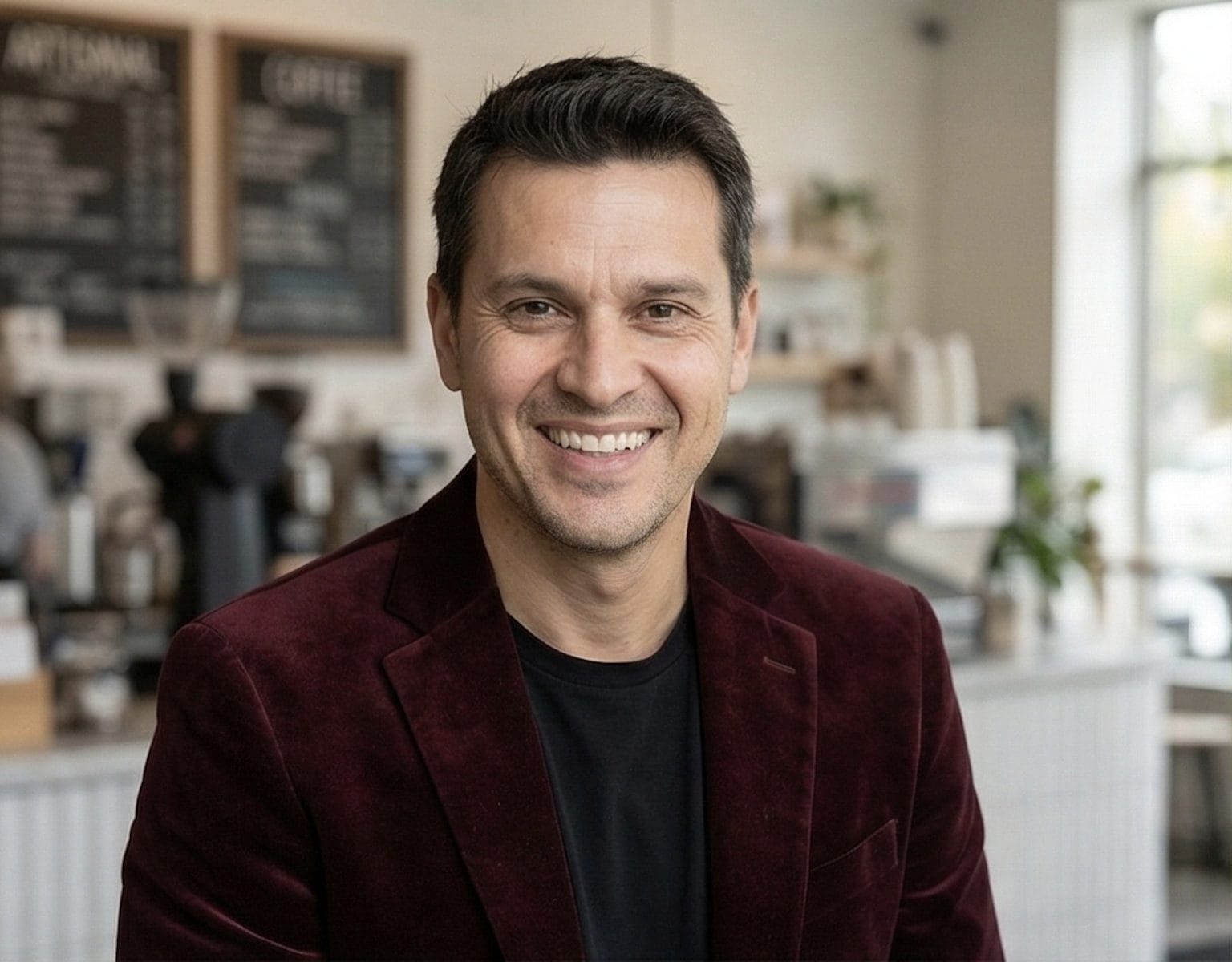
Noam Lamdan is a dedicated real estate professional and investment strategist based in Toronto, Canada. With a keen eye for market shifts and a passion for urban development, Noam has built a career centered on helping clients navigate the complexities of the GTA (Greater Toronto Area) housing market. He specializes in identifying high-growth opportunities and leveraging data-driven insights to maximize portfolio value for both first-time homebuyers and seasoned investors.
Beyond the transactional side of real estate, Noam is a firm believer in the power of education. He frequently contributes analysis on the impact of interest rate fluctuations and housing policy on the local economy. His approach is defined by a commitment to transparency, meticulous research, and a “client-first” philosophy that prioritizes long-term stability over short-term gains. When he isn’t analyzing market spreadsheets or touring properties, Noam is an advocate for sustainable urban planning and enjoys exploring the architectural history of Toronto’s diverse neighborhoods.
What is your typical day, and how do you make it productive?
My day begins at 6:00 AM with a deep dive into the latest market listings and economic news. Real estate is time-sensitive, so I front-load my most analytical tasks—like property valuations and market reports—before the phones start ringing. I make it productive by using “time blocking”: mornings are for research, mid-days are for client meetings and site visits, and late afternoons are for administrative follow-ups.
How do you bring ideas to life?
I bring ideas to life through rigorous stress-testing. In real estate, an “idea” is usually a thesis about a specific neighborhood or asset class. I gather historical data, consult with local urban planners, and run financial models. Once the data supports the vision, I create a step-by-step execution roadmap for my clients to ensure the transition from concept to closing is seamless.
What’s one trend that excites you?
The integration of AI in predictive market analytics. We are reaching a point where we can more accurately forecast neighborhood appreciation based on micro-indicators like permit filings and transit expansions. It removes a lot of the guesswork from long-term investing.
What is one habit that helps you be productive?
I maintain a “Zero Inbox” policy for my client communications. In a fast-moving market, a delayed response can mean a missed opportunity. Clearing my communications every evening ensures I start every morning with a clean slate and no lingering liabilities.
What advice would you give your younger self?
“Don’t wait to buy real estate; buy real estate and wait.” I would tell my younger self to value time-in-the-market over trying to perfectly time the market.
Tell us something you believe that almost nobody agrees with you on.
I believe that a “cooling” market is actually the healthiest time for a community. While most people panic when the frenzy slows down, I believe it allows for more thoughtful, lifestyle-based purchasing rather than speculative greed, which leads to more stable neighborhoods in the long run.
What is the one thing you repeatedly do and recommend everyone else do?
Read the fine print of every municipal zoning update in your area. Most people ignore local policy, but that is exactly where the future value of your property is decided.
When you feel overwhelmed or unfocused, what do you do?
I step away from the screens and go for a walk through a neighborhood I’m not currently working in. Observing the physical reality of how people interact with their environment helps me reconnect with the “why” of my work beyond the numbers.
What is one strategy that has helped you grow your business or advance in your career?
Specialization. Instead of trying to be everything to everyone, I focused specifically on Toronto’s investment condos and multi-family units. By becoming an expert in that specific niche, I became the go-to resource for a specific type of client, which led to a high rate of referrals.
What is one failure in your career, how did you overcome it, and what lessons did you take away from it?
Early on, I relied too heavily on a single developer’s timeline for a project that faced significant delays. It taught me that in real estate, diversification is your only true protection. I overcame it by being transparent with my clients and helping them pivot to other assets. The lesson was: always have a Plan B, C, and D.
What is one business idea you’re willing to give away to our readers?
A specialized property management platform focused exclusively on “mid-term” rentals (3–6 months) for digital nomads and traveling professionals. There is a massive gap between short-term Airbnbs and long-term yearly leases that is currently underserved.
What is one piece of software that helps you be productive? How do you use it?
Trello. I use it to track every stage of a property transaction. Each client has a board, and moving a “card” from ‘Inspection’ to ‘Financing’ to ‘Closed’ keeps the entire process visual and organized.
What is the best $100 you recently spent? What and why?
A high-quality, ergonomic desk chair. As much as I am on the road, the hours I spend analyzing data at my desk are the most critical for my business. Physical comfort directly impacts my mental clarity.
Do you have a favorite book or podcast you’ve gotten a ton of value from and why?
The Intelligent Investor by Benjamin Graham. Although it’s about stocks, the principles of “margin of safety” and “fundamental value” are perfectly applicable to real estate. It keeps me grounded when the market gets volatile.
What’s a movie or series you recently enjoyed and why?
Succession. Beyond the drama, it’s a fascinating (and cautionary) look at high-stakes negotiation, corporate ego, and the complexity of family legacies—all things that occasionally mirror the world of high-end real estate.
Key learnings
- Market Stability Over Speculation: Successful real estate investing requires a shift in focus from short-term market timing to long-term asset stability and fundamental value.
- The Power of Niche Specialization: Career growth is often accelerated not by expanding services, but by deepening expertise in a specific market segment to become a trusted authority.
- Data-Driven Decision Making: Leveraging emerging technologies and municipal data allows professionals to move beyond intuition and make decisions based on predictive analytics.
- Transparent Communication in Crisis: Maintaining client trust during market volatility or project delays is best achieved through radical transparency and proactive alternative planning.