
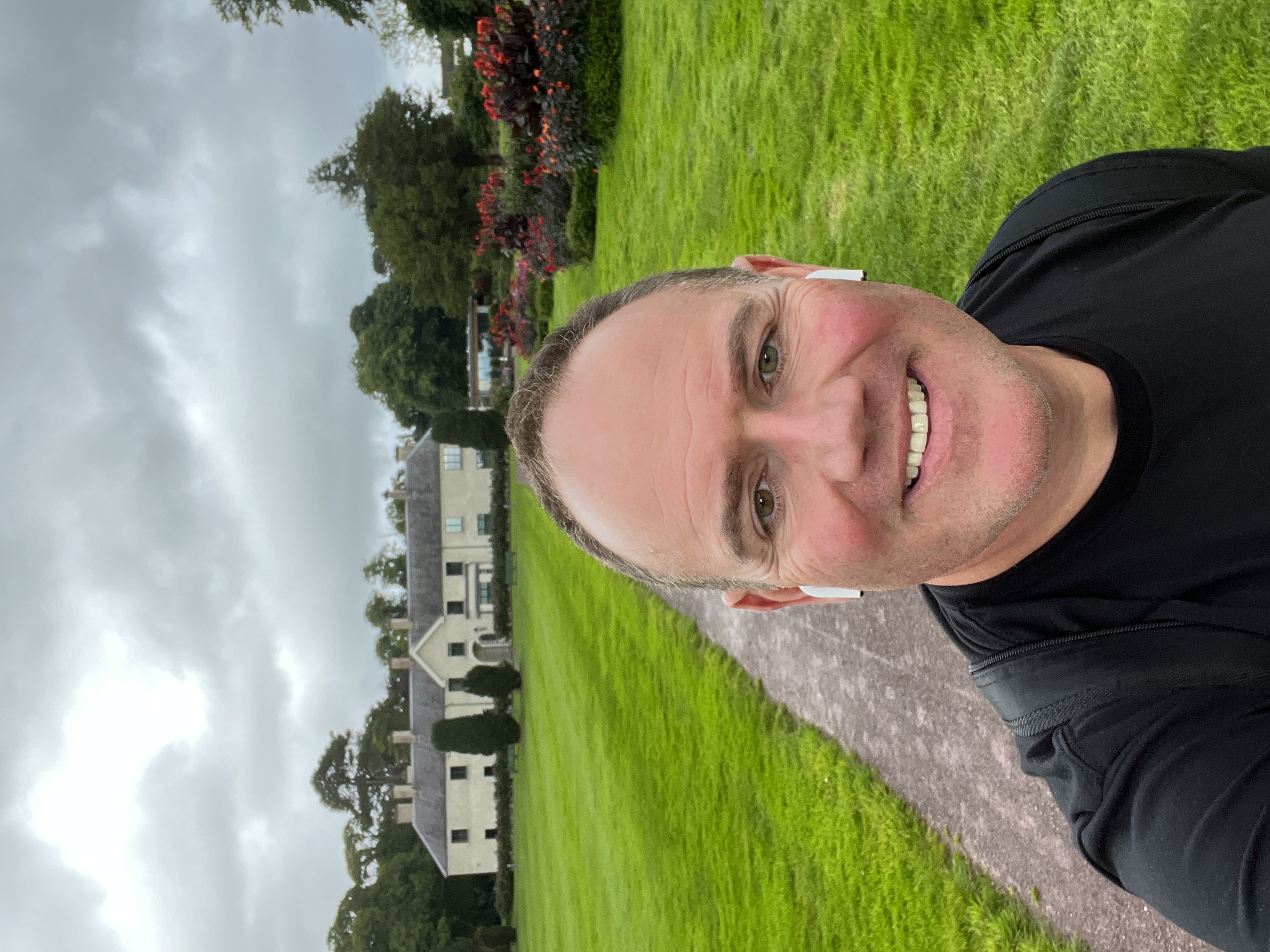
Michael Pisseri’s story begins in Eastchester, New York, where he grew up as the oldest of four children in a hardworking family. His father spent 50 years as a pharmacist. His mother worked as a nurse. From an early age, he learned the value of discipline, honesty and showing up every day.
At 14, he took his first job at a local grocery store. By high school, he was balancing sports, academics and a 20-hour work week. He was one of just ten students selected for the National Honor Society. That moment stayed with him. Years later, his own son would achieve the same honour.
Michael went on to earn both his BA and Master’s degree from Fairfield University. He later completed advanced leadership studies at Sacred Heart University. Early in his career, he stood out in the classroom and was named a Teacher of the Year finalist in 2006.
His biggest test came as Principal of Davenport Ridge Elementary School. The school was struggling. Over seven years, he helped transform it into one of the top-performing schools in the area. It earned recognition for both school climate and academic results.
Today, Michael works as a Social Studies and Intervention Teacher in New York City. He continues to focus on growth, resilience and connection. He still believes success is not just about results, but about becoming someone you respect along the way.
What is your typical day, and how do you make it productive?
My day starts early. I like structure. I review my plan before the day begins. In school, I focus on small wins. One conversation. One breakthrough. One student who improves. I also build in time to reflect. At the end of the day, I ask what worked and what needs to change. That keeps things moving forward.
How do you bring ideas to life?
I break them down. Big ideas fail when they stay big. As a principal, we did not try to fix everything at once. We worked on culture first. Then systems. Then academics. You build, test, adjust and repeat.
What’s one trend that excites you?
STEM education. Not just the content, but how it teaches thinking. I presented at NASA in 2024, and what stood out was curiosity. Students need to learn how to solve problems, not just memorise answers. At the same time, it was the collaboration and teamwork that stood out; students need to know how to do this in order to be successful in a global economy.
What is one habit that helps you be productive?
Reflection. I review my day often. Even five minutes helps. It keeps me honest about effort and progress. It keeps me grounded on how I can improve and value past lessons.
What advice would you give your younger self?
Do not rush outcomes. Focus on the process. When I was younger, I wanted results fast. Now I understand that steady growth builds better outcomes. It’s important to have patience and visualize the end goal.
Tell us something you believe almost nobody agrees with you on?
I think goals are overrated. Direction matters more. If you know what you want more of and less of, your decisions become clearer. Everything you do should be focused on helping students succeed.
What is the one thing you repeatedly do and recommend everyone else do?
Listen. Really listen. In schools, people want to be heard. That builds trust faster than anything else. As a teacher at Coleytown Middle School, I learned this while working with staff as a middle school coordinator for social studies. When you truly listen to people, you grow as a person and help bring consensus and focus to a department.
When you feel overwhelmed or unfocused, what do you do?
I simplify. I go back to basics. I focus on one task. When I trained for half marathons, I learned you cannot run 13 miles all at once. You run one mile at a time. Sometimes its a good thing to slow down, refocus and reflect.
What is one strategy that has helped you grow your business or advance in your career?
Focus on culture first. At Davenport Ridge, we improved the school climate before academics. Once people felt safe and supported, performance followed. That strategy changed everything. We focused on brining students and staff together under SOAR, Safety First, Outstanding Effort, Accept Responsibility and Respect for All.
What is one failure in your career, how did you overcome it, and what lessons did you take away from it?
Early in my leadership career, I tried to move too fast. I pushed too many changes at once. It created resistance. I learned to slow down and bring people along. Now I focus on alignment before action. And, it’s ok to fail, as long as you learn from it, it helps you to come back stronger and more focused.
What is one business idea you’re willing to give away to our readers?
A simple programme where students track effort instead of grades. Weekly reflections. Small goals. It builds ownership and resilience.
What is one piece of software that helps you be productive? How do you use it?
Google Suite. Simple but effective. I use it to track notes, plans and reflections. It keeps everything organised in one place. Also, you can share the documents, presentations and sheets with your colleagues.
Do you have a favorite book or podcast you’ve gotten a ton of value from and why?
I like books on mindset and growth. Anything that focuses on process. They remind me that improvement is ongoing. I really have enjoyed Mindset by Carol Dwerk and Good To Great by Jim Collins. They have helped to shape my mindset and how organizations move from being average to amazing.
What’s a movie or series you recently enjoyed and why?
I enjoy sports and environmental documentaries. They show the behind-the-scenes work. The discipline. The setbacks. That is where the real story is. April featured Earth Day and I was focused on Our Planet on Netflix. This is an eye opening series on the challenges we face as humans regarding the environment. At the same time, it empowers you to make a difference and change your life to help yourself, the environment and future generations of people.
Key learnings
- Focus on process over outcomes to create sustainable success.
- Build culture and trust before expecting performance improvements.
- Break big goals into small, manageable steps to drive progress.
- Reflection and listening are essential tools for long-term growth.
- Resilience is built through consistent effort, not quick wins.