
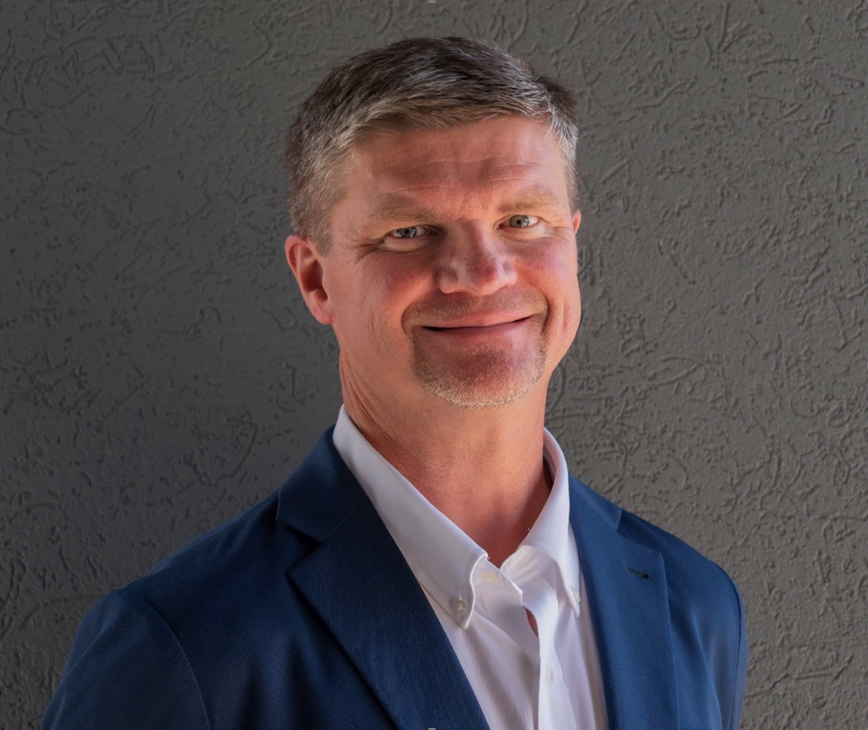
Christopher Reep has built his career around a simple idea: make work actually work.
Early on, he focused on operations and quickly saw a pattern. Companies had strong goals. Teams worked hard. But results did not always follow. The gap between strategy and execution was real, and it was costly.
That realization shaped his path.
He began working deeply in systems like Lean and Total Productive Maintenance (TPM). Over time, he developed a methodical approach. Not flashy. Not complicated. Just clear, structured, and repeatable.
Christopher focuses on tools like Standard Work, 5S, and Root Cause Analysis. But for him, the tools are not the point. The system is.
He believes daily routines matter most. Small actions. Done consistently. That is where real change happens.
Along the way, he also turned to writing. He began working on books like Leading with Clarity and True PDCA Implementation Guide. His goal is to make complex ideas simple and usable. His style reflects his mindset. Clear. Direct. Practical.
Today, Christopher is known for helping organizations stay aligned and focused. He pushes leaders to think differently about execution. Not as a one-time push, but as a daily discipline.
His philosophy is steady and grounded. Keep it simple. Stay consistent. Build systems that last.
Because in the end, success is not about ideas. It is about what gets done.
What is your typical day, and how do you make it productive?
My day is built around structure. I usually start early by reviewing priorities. I keep it simple—what are the top one to three things that actually matter today? From there, I spend time on leadership routines. That might be reviewing performance, checking alignment with goals, or working through problems with a team. I avoid jumping between too many things. Productivity, for me, comes from focus and consistency, not volume.
How do you bring ideas to life?
I break everything down into steps. Big ideas fail when they stay big. I use PDCA thinking—plan it, test it, adjust it. I also try to connect ideas to daily work right away. If it can’t show up in someone’s routine, it’s not ready.
What’s one trend that excites you?
The shift toward operational discipline. There’s more awareness now that execution matters as much as strategy. People are starting to realize that systems and habits drive results.
What is one habit that helps you be productive?
Clarity before action. I don’t start work until I know what “done” looks like.
What advice would you give your younger self?
Slow down and focus on fundamentals. Early on, I tried to fix too much at once. Systems take time to build.
Tell us something you believe almost nobody agrees with you on?
Most organizations don’t need more innovation. They need better execution of what they already know.
What is the one thing you repeatedly do and recommend everyone else do?
Review your work daily. Not in a casual way, but in a structured way. That’s how you stay aligned.
When you feel overwhelmed or unfocused, what do you do?
I step back and simplify. I go back to priorities and ask, “What actually matters right now?” Then I reset from there.
What is one strategy that has helped you grow your business or advance in your career?
Building repeatable systems. Early in my career, I focused on solving problems one at a time. That worked short term. But real progress came when I built systems that prevented the same problems from coming back.
What is one failure in your career, how did you overcome it, and what lessons did you take away from it?
I once helped roll out a Lean initiative that looked great on paper but failed in practice. We focused too much on tools and not enough on leadership routines. It didn’t stick. That experience changed how I approach everything. Now I start with behavior and structure, not tools.
What is one business idea you’re willing to give away to our readers?
A simple execution audit service. Go into organizations and map how strategy flows into daily work. Most companies don’t see the gaps until someone shows them.
What is one piece of software that helps you be productive? How do you use it?
I use simple task management tools. Nothing complex. The value isn’t in the software—it’s in how clearly you define priorities inside it.
Do you have a favorite book or podcast you’ve gotten a ton of value from and why?
I’ve always gotten value from books on Lean and systems thinking. Not because of new ideas, but because they reinforce discipline. You don’t need constant new input. You need consistent application.
What’s a movie or series you recently enjoyed and why?
I tend to like documentaries. Anything that shows how systems work behind the scenes. It aligns with how I think.
Key learnings
- Execution gaps often come from lack of clarity, not lack of effort
- Systems and daily routines matter more than one-time initiatives
- Leaders drive consistency through structured behaviors, not just strategy