
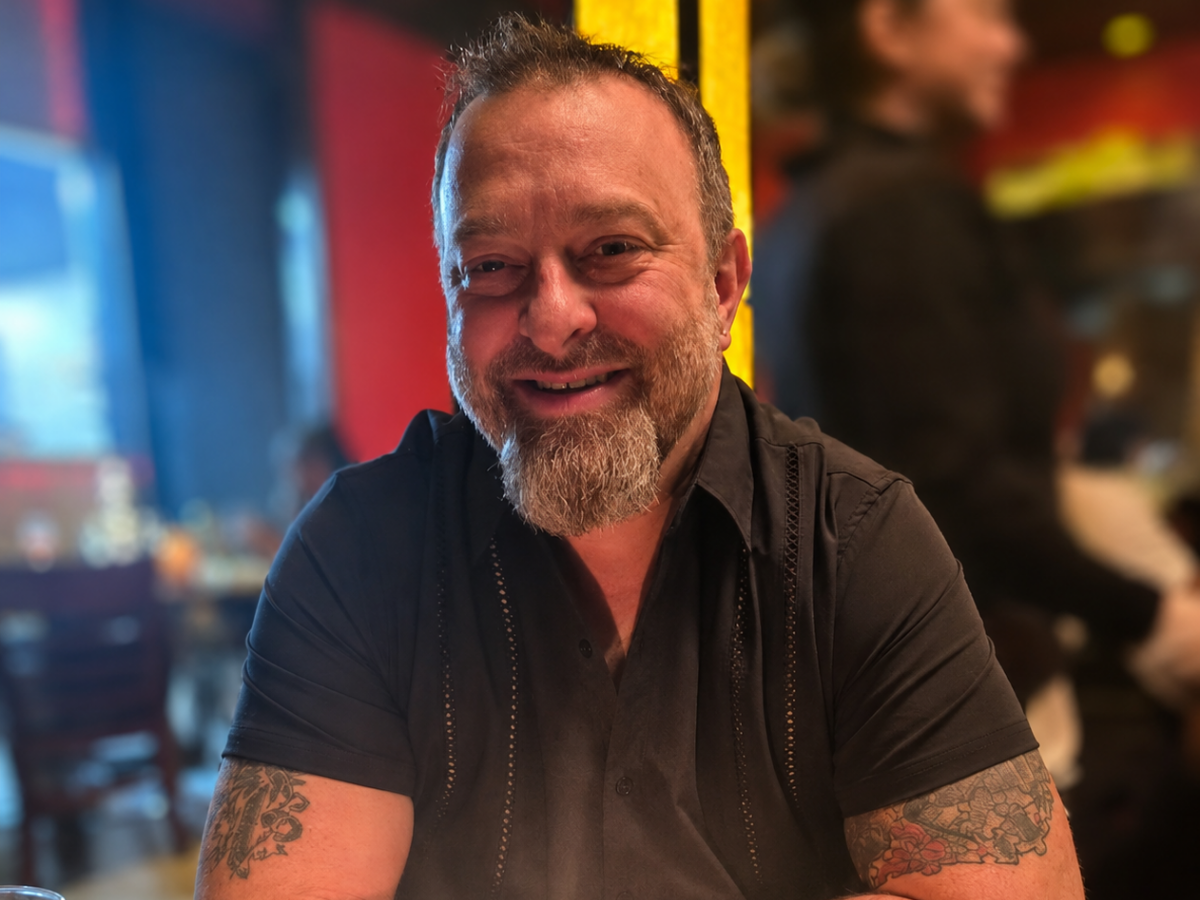
Paul E Skidmore III is a lifelong Tampa resident whose path has been shaped by family, hard work, and learning through experience. He grew up with his parents and younger sister in a home where sports, faith, and community were part of everyday life.
As a child, Paul learned independence early. Sports gave him an outlet and taught him discipline, teamwork, and persistence. He also developed interests that stayed with him into adulthood, including collecting sports cards and sneakers. Regular time at St. Paul’s Catholic Church helped reinforce the importance of service and treating people well.
Paul’s professional path did not follow a straight line. He spent nearly 15 years bartending throughout Tampa. The work taught him how to listen, communicate, read situations, and build relationships with many different types of people. Those skills later became the foundation for his move into sales.
He first entered sales through a call center before branching out as an independent contractor. Over time, Paul learned that success in sales is not only about making a pitch. It comes from knowing the product, being available when clients need help, and following through on what you promise.
Today, he continues to focus on account management, product knowledge, and professional growth. He makes a point of learning as technology and customer expectations change.
Outside of work, Paul is most focused on being a present father. He volunteers at his children’s school and values the time he spends with his family. He also supports charities and has helped families during the Christmas season with food, gifts, and financial assistance. For Paul, progress comes from staying curious, being dependable, and trying to improve a little at a time.
What is your typical day, and how do you make it productive?
My day usually starts by checking messages, reviewing what needs my attention, and deciding what has to happen first. Sales can change quickly, so I try not to overplan every hour. I focus on clients, follow-ups, and anything that could become a problem if I ignore it. I also make time for my family. Productivity for me is handling what matters without letting smaller things distract me.
How do you bring ideas to life?
I usually start by asking whether an idea actually solves a problem. Then I break it down into something small enough to test. Working in hospitality and sales taught me that you learn more by trying something and watching how people respond than by thinking about it forever.
What’s one trend that excites you?
I am interested in how technology is making it easier for sales professionals to understand customers and stay organized. At the same time, I think personal communication matters more than ever. Tools can help, but people still want to know they can reach a real person.
What is one habit that helps you be productive?
I follow up quickly. If someone reaches out, I try not to leave it sitting there. Being accessible has always been important to me because a fast response can solve a small problem before it becomes a large one.
What advice would you give your younger self?
I would tell myself to pay more attention to the lessons hidden in everyday jobs and difficult situations. I spent years thinking experience only counted if it came from a traditional career path. Looking back, bartending taught me communication, patience, and problem-solving that I use every day.
Tell us something you believe almost nobody agrees with you on?
I think being available is sometimes more valuable than being impressive. People remember who answered the phone, returned the message, or helped when something went wrong. Reliability builds trust faster than a polished sales pitch.
What is the one thing you repeatedly do and recommend everyone else do?
Keep learning about what you do. Products change. Technology changes. Customers ask better questions. If you stop learning, eventually someone will know your own business better than you do.
When you feel overwhelmed or unfocused, what do you do?
I simplify things. I make a short list and start with the item that has the biggest consequence if I do not handle it. I also step away when I can and spend time with my kids. That usually helps put work problems back into perspective.
What is one strategy that has helped you grow your business or advance in your career?
Building relationships has helped me more than any complicated sales strategy. Bartending taught me that people remember how you treat them. In sales, I try to listen first, learn what someone actually needs, and then stay available after the initial conversation. That consistency has helped create trust and repeat relationships.
What is one failure in your career, how did you overcome it, and what lessons did you take away from it?
Earlier in sales, I sometimes tried to give people too much information at once because I wanted them to see that I knew the product. I learned that knowledge only helps if you explain it in a useful way. I became better at asking questions first and adjusting the conversation to what the customer actually wanted to understand.
What is one business idea you’re willing to give away to our readers?
I would build a service that helps collectors organize sports cards and sneakers in one place, including purchase dates, estimated values, photos, condition notes, and insurance records. A lot of collectors have valuable items but still track them with scattered notes and photos.
What is one piece of software that helps you be productive? How do you use it?
Google Calendar helps me keep work and family responsibilities from competing with each other. I use reminders for follow-ups, appointments, school events, and deadlines. If something matters, I would rather put it on the calendar than trust myself to remember it later.
Do you have a favorite book or podcast you’ve gotten a ton of value from and why?
I tend to get the most value from podcasts and interviews about sales, business, and how people built their careers. I like hearing the mistakes as much as the successes because that is usually where the useful information is.
What’s a movie or series you recently enjoyed and why?
I enjoy sports documentaries because they show what happens behind the results people see. The training, setbacks, pressure, and discipline are usually more interesting to me than the final score. There are a lot of lessons in watching how athletes handle difficult stretches.
Key learnings
- Strong client relationships are built through listening, consistent follow-up, and being available when help is needed.
- Experience from hospitality can develop communication and problem-solving skills that transfer well into sales.
- Deep product knowledge matters most when it can be explained simply and applied to a customer’s real needs.
- Staying current with technology and industry changes helps professionals remain useful and competitive.
- Simplifying priorities and focusing on the most important next action can make difficult days more manageable.