
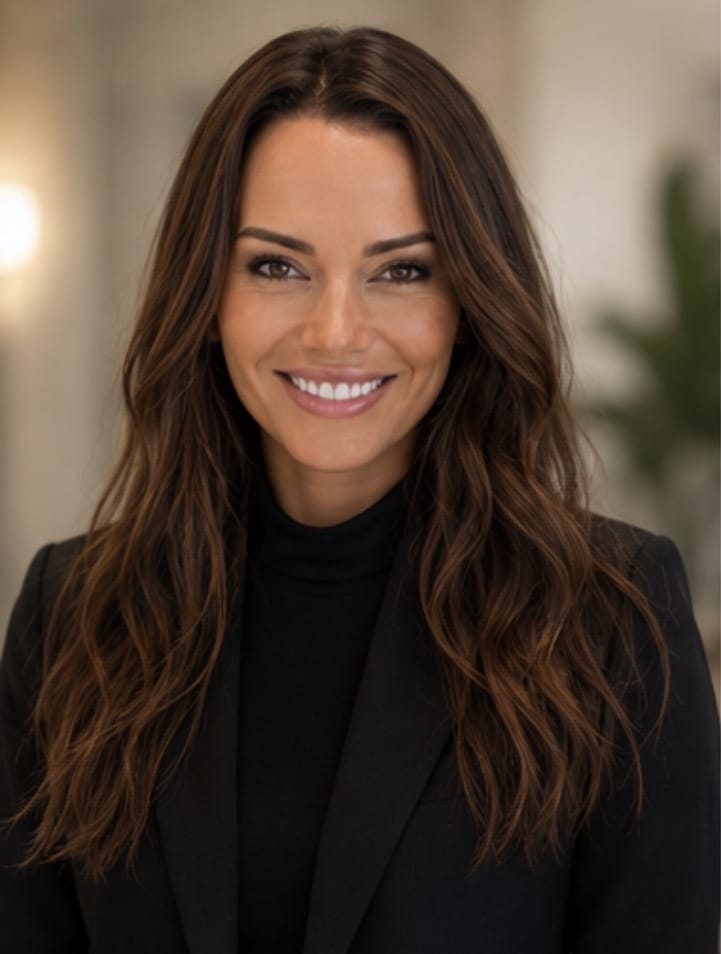
Bronwyn Finnegan is a nonprofit strategist and organizational consultant based in West Palm Beach, Florida. Trained at the University of Pennsylvania, where she earned master’s degrees in Nonprofit Leadership and Organizational Dynamics, she advises boards and executive teams on the unglamorous discipline she believes the sector needs most: sound financial management. A self-described “forever student” now pursuing a third master’s in the classics, an accredited investor, and an avid hiker, she thinks about money, mission, and preparedness in ways that rarely make it into a headline — which is exactly why they’re worth reading.
What is your typical day, and how do you make it productive?
My days are quieter and more deliberate than most people expect, and that’s by design. I’m not someone who tries to optimize every hour — I’ve watched that turn into its own kind of trap. I do my consulting work in focused blocks rather than letting it bleed across the whole day, I read in the morning before anything else has a claim on my attention, and most weekends I’m out on a trail for a few hours. The productivity, to the extent I have any, comes from not treating every task as urgent, because very little of it actually is. Most of what I’m paid for as a consultant is thinking, and thinking is the first thing to disappear if you let the calendar fill up with things that merely feel productive.
How do you bring ideas to life?
Slowly, and with a lot of structure. I’m suspicious of ideas that feel exciting before they’ve been stress-tested — excitement isn’t evidence. When I’m working with a nonprofit, an idea only becomes real once we’ve asked the boring questions about it: what it costs, who’s accountable for it, what happens to it the first time money gets tight. That’s usually where good intentions quietly die, so I’d rather find out early. For my own writing it’s the same discipline — I don’t put a thought out into the world until I can defend it to someone who disagrees with me. If I can’t, it wasn’t ready.
What’s one trend that excites you?
There’s a slow shift happening in the nonprofit sector toward taking financial management seriously — treating fiscal discipline as part of the mission rather than a threat to it. For a long time the culture treated “profit,” or even plain competence with money, as faintly disloyal to the cause. That’s starting to change, and it excites me because it’s the difference between organizations that survive their first hard year and ones that don’t. I’d rather the sector become known for being well run than for meaning well.
What is one habit that helps you be productive?
I plan for the unexpected before I need to. I’m an avid hiker, and I pack a day hike the same way I run my financial life — enough water and food for the day, a margin for the things that don’t go to plan, and always a little extra to share with whoever forgot theirs. That mindset is the habit: build in a buffer, don’t react to every bump, and you spend far less energy putting out fires you could have prevented. It isn’t glamorous. It works.
What advice would you give your younger self?
Don’t hand your identity over to an employer. In my twenties I watched capable people become their job titles, and then watched the companies they’d given themselves to make decisions that had nothing to do with them. I decided early that I didn’t want my sense of who I was to depend on whether a company kept me around, so I built a financial base that let me walk away when I needed to. That one choice bought me everything that came after it, including the freedom to keep studying. I’d tell my younger self to make it even sooner.
Tell us something you believe almost nobody agrees with you on?
That passion is overrated in the nonprofit world, and sometimes dangerous. Everyone wants to hear that caring deeply is what carries an organization. In my experience it’s closer to the opposite — passion without financial literacy is a liability to the very people you’re trying to serve. I’ve watched organizations full of genuinely good people compromise their mission, not out of bad faith but out of financial naivety, because no one ever taught them to run the place. Passion is the easy part. Building an operation that can actually deliver on it is the part almost no one wants to talk about.
What is the one thing you repeatedly do and recommend everyone else do?
Keep enough margin — in your finances, your schedule, your commitments — that a single bad break doesn’t force your hand. I diversify my investments across a few asset classes for exactly this reason, so that no one event can undo me. The same principle applies almost everywhere. Most of the worst decisions I’ve watched people make, in organizations and in their own lives, were made because they’d left themselves no room to say no. Build the room in before you need it.
When you feel overwhelmed or unfocused, what do you do?
I go for a hike, and I try to remember that almost nothing is actually an emergency. The people I’ve watched navigate hard stretches best — in markets, in organizations, in life — are the ones who stay calm and don’t treat a bad week as a verdict. The Stoics wrote about this long before I came to it: you steady the part you can control, which is your own reaction, and you let the cycle be a cycle. A few hours on a trail resets my sense of proportion faster than anything I could do at a desk.
What is one strategy that has helped you grow your business or advance in your career?
Refusing to over-commit to any single employer, and backing that refusal with real financial independence. It sounds like a career-limiting move, and in the short term it probably was. But it’s what let me make deliberate, unhurried choices instead of accepting whatever was in front of me because I needed the paycheck. I could say no to the wrong roles and yes to two graduate degrees. The investing came first; everything I’ve been able to build professionally rests on the freedom that created.
What is one failure in your career, how did you overcome it, and what lessons did you take away from it?
The honest version is that early on I underestimated how much the unglamorous, operational side of an organization determines whether its mission survives. Like a lot of people entering this sector, I half-assumed that if the intent was right, the rest would follow. Watching that assumption fail — repeatedly, in organizations I cared about — was the lesson. It’s why I went back for the training I’d skipped, and why financial literacy became the center of my work rather than a footnote to it. The failure wasn’t a single dramatic event; it was a belief I had to unlearn.
What is one business idea you’re willing to give away to our readers?
An affordable, practical curriculum in business acumen for nonprofit leaders. If I built it, I’d call it exactly that — “Business Acumen for Nonprofits” — and it would cover the things too many passionate people in this sector are never taught: taxes, governance, financial management, the fundamentals of running a sustainable operation. Right now that knowledge usually arrives in the form of a $20,000 consulting engagement, after something has already gone wrong. Someone should build the version that reaches leaders before the crisis instead of after it. I’d love to see it exist whether or not I’m the one who makes it.
What is one piece of software that helps you be productive? How do you use it?
Honestly, my most useful tool is a plain spreadsheet. I keep my diversification, my commitments, and my planning in something simple and boring that I fully understand, rather than anything that promises to think for me. I’m wary of tools that add complexity faster than they add clarity.
What is the best $100 you recently spent? What and why?
A good water filter and a restocked first-aid kit for hiking. It’s unglamorous, it mostly sits in my pack unused, and that’s exactly the point — it’s the hundred dollars that keeps a small problem on the trail from becoming a big one. That’s more or less my whole philosophy in a single purchase.
Do you have a favorite book or podcast you’ve gotten a ton of value from and why?
I keep returning to Seneca’s letters. The Stoics were far more practical about money, work, and adversity than their reputation suggests, and Seneca in particular reads less like ancient philosophy than like advice from someone who’d seen a lot and stayed calm about it. When a market drops or a decision gets hard, that’s usually where I go.
What’s a movie or series you recently enjoyed and why?
I’ll admit I’m usually behind on whatever everyone else is watching. I tend to prefer a long documentary, or something quiet, over anything I have to keep up with week to week — the same low-urgency preference that draws me to hiking over running.
Key learnings
- Passion is the easy part. Caring deeply is what gets people into the nonprofit sector; it is not what keeps an organization alive. Passion without financial literacy is a liability to the very people you’re trying to serve — and the compromises that follow usually come from naivety, not bad faith.
- Build the margin before you need it. Whether it’s a hiking pack, a portfolio, or a calendar, the point of a buffer is that you rarely use it. Most bad decisions get made by people who left themselves no room to say no.
- Don’t hand your identity to an employer. Finnegan built a financial base in her twenties specifically so her sense of self wouldn’t depend on a company keeping her around. That single choice is what made everything after it — including two graduate degrees — possible.
- Excitement isn’t evidence. An idea only becomes real once it survives the boring questions: what it costs, who’s accountable, what happens the first time money gets tight. If you can’t defend a thought to someone who disagrees with you, it wasn’t ready.
- Almost nothing is an emergency. Treating every task as urgent crowds out the thinking that actually creates value. The people who navigate hard stretches best are the ones who stay calm, steady what they can control, and let a cycle be a cycle.