
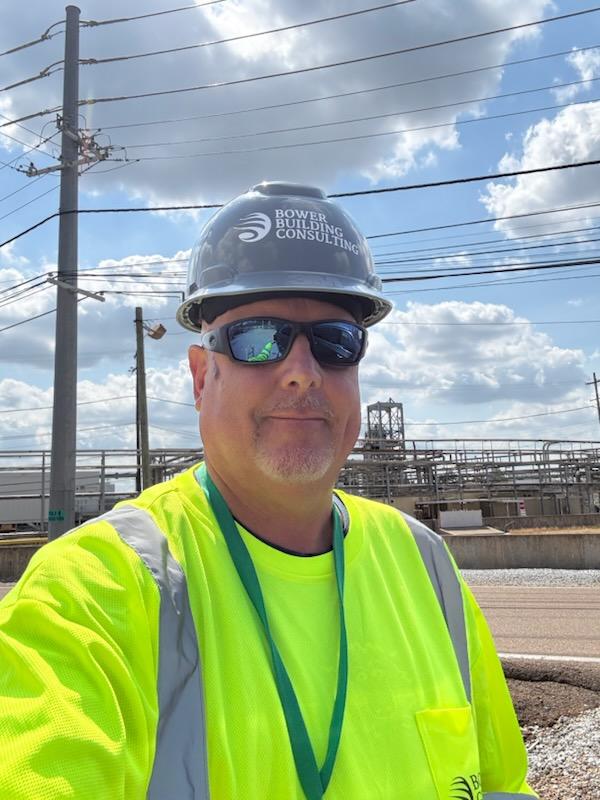
Mark Siegwald has spent more than 24 years working in insurance, restoration, property damage, and building consulting. His career has taken him from insurance claims to major restoration projects and independent consulting, giving him a practical view of how buildings, businesses, and people recover when things do not go as planned.
Siegwald earned his bachelor’s degree from Northern Illinois University, where he attended on a soccer scholarship. He also played club soccer in England and Mexico. Those experiences taught him the value of preparation, teamwork, and adapting when circumstances change.
His professional career began in insurance with Kemper Insurance and later Liberty Mutual, where he spent more than a decade. He later worked with companies including Munters, Belfor USA, Response Team 1, and Young & Associates. Along the way, he gained experience with property losses, restoration projects, estimates, auditing, and disaster recovery.
Today, Siegwald is a Senior Consultant with Bower Group. His work includes building consulting and Clerk of the Works assignments in restoration and industrial settings. He spends time on job sites observing progress, reviewing conditions, documenting work, and asking questions when something deserves a closer look.
After more than two decades in the field, Siegwald still believes there is value in staying curious. Experience has taught him that good decisions often begin with careful observation and a willingness to listen before reaching conclusions.
Outside of work, he enjoys soccer, fishing, ice fishing, hunting, and golf.
What is your typical day, and how do you make it productive?
My days vary depending on the projects I am working on. As a Senior Consultant with Bower Group, I may review documentation and estimates one day and spend much of the next day on a job site. My work includes restoration projects as well as Clerk of the Works assignments in restoration and industrial settings.
I try to understand what I am walking into before I arrive. If I am visiting a project, I want to know what happened since my last visit, what should have happened, and what questions remain unanswered. That preparation makes my time onsite much more useful.
How do you bring ideas to life?
I usually start by looking at the actual problem rather than immediately looking for a solution. My background in claims, restoration, and consulting has taught me that the first explanation is not always the complete explanation.
I ask questions, talk to the people closest to the work, and look at the conditions myself whenever possible. Once I understand the problem, the practical next step usually becomes much clearer.
What’s one trend that excites you?
I am interested in the increased ability to document construction and restoration projects as they happen. Photographs, project records, and other tools make it easier to create a useful history of a project.
Technology does not replace being onsite, though. A photograph can show you a condition, but context tells you why that condition matters.
What is one habit that helps you be productive?
I take notes while information is fresh. After more than 24 years in this field, I have learned not to trust myself to remember every detail from a site visit several weeks later. A few clear notes can save a lot of time later.
What advice would you give your younger self?
I would tell myself to listen longer before forming an opinion. Early in your career, there can be pressure to demonstrate that you know the answer. Experience eventually teaches you that knowing which questions to ask is often more valuable.
Tell us something you believe almost nobody agrees with you on?
I think experience should make you less certain, not more certain. The longer I have worked around buildings and property losses, the more examples I have seen of unusual conditions and reasonable exceptions to what normally happens. Experience gives you a reference point, but it should also remind you that every project deserves to be looked at on its own.
What is the one thing you repeatedly do and recommend everyone else do?
See things for yourself whenever you reasonably can. Reports, photographs, emails, and meetings are useful, but walking a site gives you context that can be difficult to communicate on paper.
When you feel overwhelmed or unfocused, what do you do?
I get away from the desk. Sometimes that means walking a project, and outside of work it might mean fishing, golfing, or simply spending time outdoors. Fishing in particular forces you to slow down. You cannot rush the process, which is probably why I have always enjoyed it.
What is one strategy that has helped you grow your business or advance in your career?
I have been willing to learn different sides of the same industry. I started in insurance and spent more than a decade with Liberty Mutual before moving deeper into restoration and consulting through companies including Munters, Belfor USA, Response Team 1, Young & Associates, and eventually Bower Group.
Understanding claims, restoration, estimating, auditing, and project oversight has helped me look at problems from more than one perspective.
What is one failure in your career, how did you overcome it, and what lessons did you take away from it?
Earlier in my career, I sometimes reached conclusions too quickly because a situation looked familiar. I would not point to one dramatic failure as much as a pattern I had to recognize and correct.
Eventually, you encounter enough exceptions to realize that familiarity can create blind spots. I learned to slow down, verify what I was seeing, and ask questions before assuming that this project was going to behave like the last one.
What is one business idea you’re willing to give away to our readers?
I think there is room for a simple independent property documentation service for commercial building owners. Instead of waiting for a loss or major renovation, owners could periodically document important building conditions, equipment areas, finishes, and renovations. Having an organized historical record could be useful years later when a claim, repair, renovation, or ownership change occurs.
What is one piece of software that helps you be productive? How do you use it?
Microsoft Excel remains one of the most useful tools for me. Restoration and consulting work can involve large amounts of information, and sometimes a straightforward spreadsheet is still the easiest way to organize costs, compare numbers, track questions, and identify differences that deserve another look.
Do you have a favorite book or podcast you’ve gotten a ton of value from and why?
Malcolm Gladwell’s Outliers has stayed with me. The discussion about practice gets most of the attention, but I also found the ideas about timing, opportunity, and early exposure interesting. Careers are rarely the result of one decision. What you are exposed to, when opportunities appear, and whether you have developed the experience to recognize them all matter.
What’s a movie or series you recently enjoyed and why?
I recently watched Only Murders in the Building and really enjoyed it. I like mysteries, especially when the answer is not obvious, and you have to pay attention to small details that may or may not turn out to matter. The show does a good job of letting the characters get things wrong, reconsider what they thought they knew, and follow unexpected leads. I can relate to that process. Much of my work involves gathering information before reaching a conclusion, and I have learned that details you dismiss early can sometimes become important later. The show is also funny and does not take itself too seriously, which makes it an easy watch after a long day.
Key learnings
- Experience is most useful when it encourages better questions rather than automatic conclusions.
- Seeing conditions firsthand can provide context that reports, photographs, and meetings cannot always capture.
- Clear documentation made during a project can become significantly more valuable months or years later.
- Learning several sides of an industry can help professionals understand problems from perspectives beyond their immediate role.
- Good oversight requires knowing when to raise a concern and when to allow experienced people to do their work.