
Gayla Sears is a retired bakery owner whose life has been shaped by food, family, and tradition. Born in Savannah, Georgia, in 1944, Sears grew up in a close-knit Southern family where the kitchen was at the center of everyday life.
She learned to bake beside her mother and grandmother, starting with small jobs like measuring flour before eventually preparing full recipes on her own. Her grandmother taught her that good baking came from patience, practice, and learning to trust her senses.
After graduating from Savannah High School, Sears continued her education in food service and hospitality. She began her career working in local bakeries, where she learned both the technical side of baking and the practical side of running a food business.
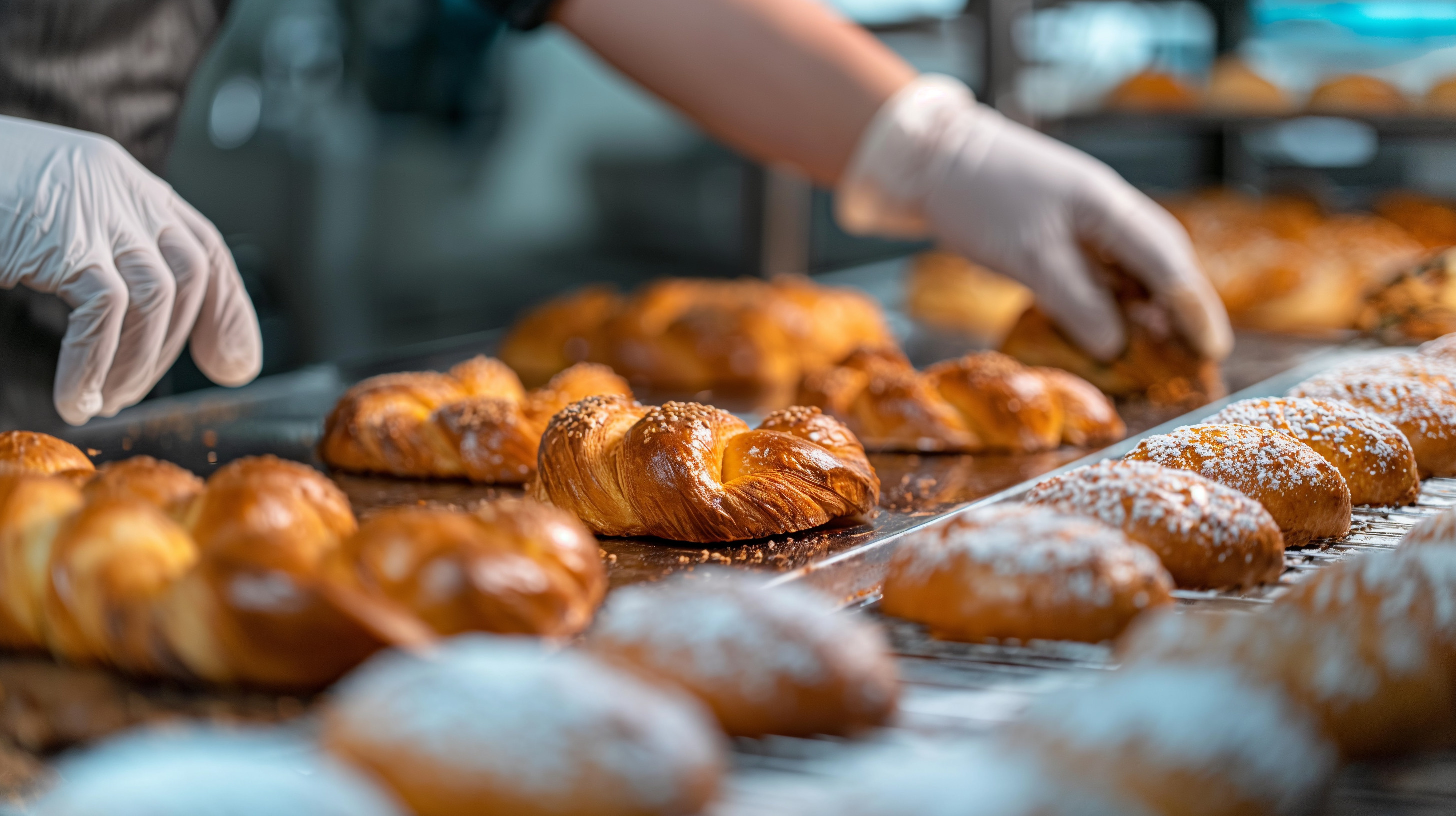
In the early 1970s, Sears opened her own neighborhood bakery. She operated it for more than 35 years and became known for traditional Southern favorites including cinnamon rolls, biscuits, pecan pie, apple cake, pound cake, sugar cookies, and cobbler. Just as important to her was teaching younger bakers the techniques she had learned growing up.
Now retired and living in Hillsboro, Ohio, Sears still spends plenty of time in the kitchen. She bakes for family gatherings, community events, fundraisers, and friends, while also working to preserve her collection of handwritten family recipes.
Outside of baking, Sears enjoys gardening, antiquing, reading, embroidery, local history, and hosting family meals. She remains a firm believer that traditions stay alive only when people continue to practise and share them.
What is your typical day, and how do you make it productive?
I’m an early riser, so I usually get up around 6:30, make coffee, and spend a few quiet minutes deciding what needs to be done that day. I still check the pantry and refrigerator every morning because that habit comes from owning a bakery, and I like knowing what I have before I decide what I’m going to make.
I keep a handwritten calendar for appointments, birthdays, errands, and community events. I usually take a walk sometime during the day, and I bake several times a week. I don’t try to fill every minute because a productive day to me means finishing the important things and still having time for people.
How do you bring ideas to life?
I usually start small. If I have an idea for a recipe, I don’t immediately change five things. I make one version, write down what happened, and adjust from there.
That was also how I approached the bakery. You learn by doing something, paying attention, and making small improvements. I still keep notes in the margins of old recipes, and some of those little notes are probably more useful than the recipe itself.
What’s one trend that excites you?
I like seeing younger people become interested in cooking from scratch and preserving family recipes. For a while, it seemed like handwritten recipes were disappearing, but now I see people asking grandparents for recipes, collecting old cookbooks, and wanting to know the story behind a dish.
That excites me because recipes are part of family history. They tell you something about where people came from, what they valued, and how they cared for one another.
What is one habit that helps you be productive?
Cleaning as I go has always helped me stay productive. I learned very early that a messy work surface slows everything down, and in a bakery, you can’t wait until the end of the day to deal with everything.
Even now, I like to finish one task, clean the counter, and then move to the next thing. It keeps me organized and makes the next job feel easier to start.
What advice would you give your younger self?
I’d tell myself not to be embarrassed by mistakes. I remember cakes that fell, biscuits that were too hard, and plenty of things that didn’t turn out the way I expected.
At the time, those mistakes felt important, but looking back, they were how I learned. I’d tell myself to pay attention, fix what I could, and try again instead of treating one bad result like the end of the world.
Tell us something you believe almost nobody agrees with you on?
I think people change recipes too quickly. My rule has always been to follow a recipe properly the first time, and after that, change whatever you want.
If you don’t know what the original version is supposed to taste or feel like, you don’t really know what you’re improving. Sometimes there’s value in understanding why something has worked for years before deciding it needs to be different.
What is the one thing you repeatedly do and recommend everyone else do?
Write things down because you shouldn’t assume you’ll remember the little details later. I have recipe cards with notes about oven temperatures, ingredient changes, and who liked a particular version, and some of those notes are decades old.
Memory changes over time, but written notes stay put. That applies to recipes, business lessons, family stories, and plenty of other things worth remembering.
When you feel overwhelmed or unfocused, what do you do?
I do something with my hands when I feel overwhelmed or unfocused. Sometimes that means baking, but other times I garden, organize recipe cards, sew, or clean the kitchen.
Physical tasks help me slow down and focus on one thing instead of ten things at once. A walk helps too, and I’ve found that many problems feel more manageable after you’ve stepped away from them for half an hour.
What is one strategy that has helped you grow your business or advance in your career?
Consistency mattered more than anything in growing the bakery. People came back because they knew what they were going to get, and if someone loved the cinnamon rolls one Saturday, they expected the same cinnamon rolls the next Saturday.
I tried not to chase every new idea or trend. I focused on doing a smaller number of things very well, and over time, that built trust with customers.
What is one failure in your career, how did you overcome it, and what lessons did you take away from it?
Early in the bakery, I once agreed to take on far too many holiday orders because I thought saying yes to everyone was good customer service. Instead, I ended up exhausted, behind schedule, and trying to do too much at once.
We finished the orders, but I learned that capacity matters. After that, I became much more careful about setting limits because saying no to one order can sometimes protect the quality of twenty others.
What is one business idea you’re willing to give away to our readers?
I think a family recipe archiving service could be a wonderful business. People could bring in handwritten recipe cards, old cookbooks, photographs, and family stories, and someone could organize them into a printed family cookbook while keeping the handwriting and original notes.
I think many families would value that more than another generic cookbook. It would preserve not just recipes, but memories and family history.
What is one piece of software that helps you be productive? How do you use it?
I’m probably the wrong person to ask about software because I still prefer paper. I use the basic calendar on my phone for reminders, but my real system is still a handwritten calendar and recipe notebook.
I like being able to see everything on one page and make notes wherever I want. Technology is useful, but I’ve never felt the need to make a simple system more complicated than it has to be.
Do you have a favorite book or podcast you’ve gotten a ton of value from and why?
I’ve always enjoyed Julia Child’s cookbooks because she treated cooking as something you could learn. She didn’t pretend everything had to be effortless, and she respected technique while still making mistakes feel normal.
That attitude stayed with me throughout my career. You can take your work seriously without expecting yourself to be perfect every time.
What’s a movie or series you recently enjoyed and why?
I enjoy cooking and travel programs that spend time with ordinary people and local traditions. I recently watched a series about regional food traditions and enjoyed seeing how different families preserve recipes.
The recipes may change from place to place, but the reason people cook for one another is usually very similar. Food has a way of connecting people even when their backgrounds are very different.
Key learnings
- Consistency builds trust, whether someone is running a business, learning a craft, or developing a personal routine.
- Small mistakes become valuable when they are examined, documented, and used to improve the next attempt.
- Preserving handwritten notes, recipes, and family stories can protect knowledge that might otherwise disappear.
- Doing fewer things well can be more effective than constantly chasing new ideas or trends.
- Setting limits protects quality and prevents overcommitting from becoming a long-term habit.