
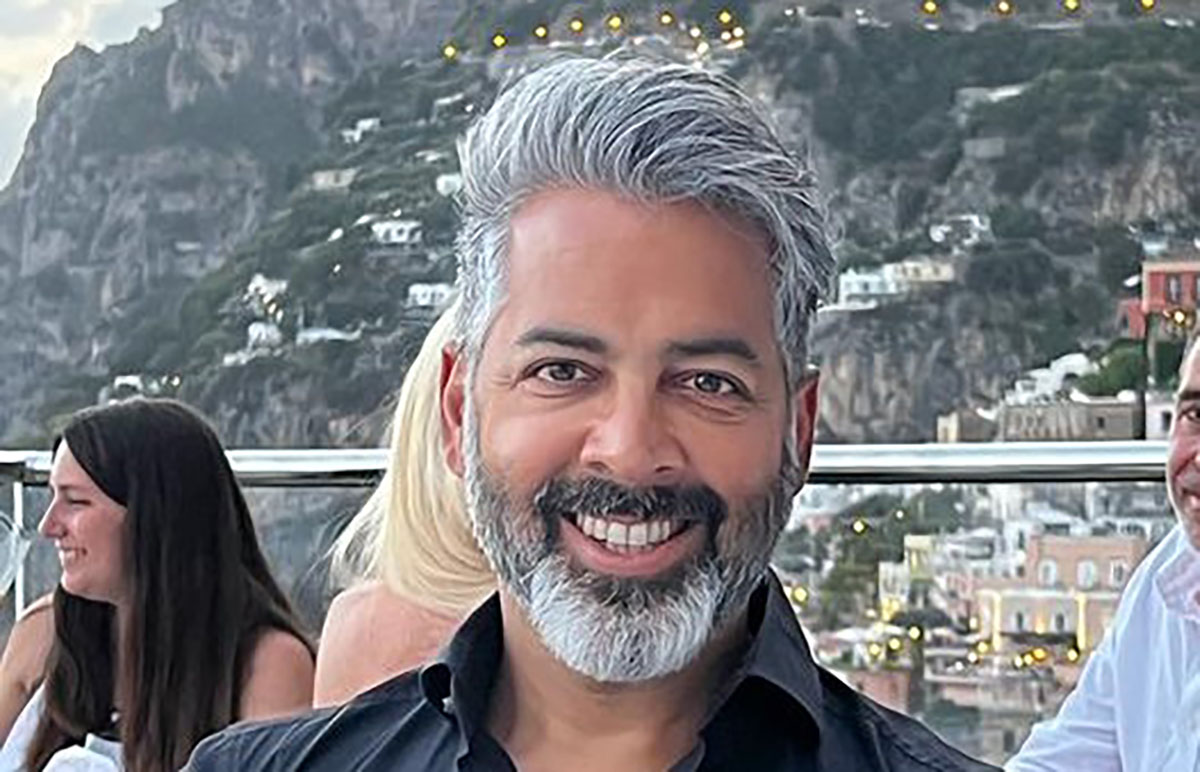
Dr. Ajit Chaudhry has built his career on precision, trust, and a quiet drive to always do what’s right for his patients. Born and raised in Ontario, he found his calling early. After earning his degree in dentistry from the University of Western Ontario in 1998, he quickly stepped into a career that would blend clinical skill with human connection.
From the beginning, Ajit believed in leading by example. He didn’t just want to treat teeth—he wanted to build long-term relationships based on care, clarity, and consistency. Over the years, he grew his practice, expanding into multiple locations across Ontario including Barrie Dental Arts and Playfair Dental Centre. He became known not just for his surgical expertise—like implants, IV sedation, and wisdom tooth removal—but for his ability to explain things in plain language and help patients feel truly at ease.
His background as a top-ranked junior tennis player taught him the importance of discipline and focus—traits he brings to every patient interaction. Outside of work, Ajit is passionate about staying active and supporting charitable causes like SickKids Hospital.
Today, he leads with the same mindset that got him started: keep learning, keep listening, and keep showing up. As a clinic owner, mentor, and advocate for quality care, Dr. Chaudhry continues to prove that the best dentistry is built on trust.
What is your typical day, and how do you make it productive?
My day starts early. I’m usually up by 5:30 a.m. That’s when I fit in some quiet time and a bit of fitness. I’ve always believed that if you start calm, you stay calm. I like to review my schedule over coffee and make sure I’m mentally ready before I walk into the clinic.
At the office, the work is clinical but also personal. I’m either with patients or coordinating with staff across multiple locations. I block time in my day for team meetings and documentation. I’ve found batching tasks helps me focus better. Multitasking rarely works in dentistry—too many variables, too many risks
How do you bring ideas to life?
I write everything down. When something sticks in my head—a new process, a technology I want to test, even a way to better explain treatment to patients—I make a note. Then I try it out small, maybe just with one patient or one team.
I don’t roll out anything new unless it passes the “stress test” of my daily work. If it saves time, builds trust, or improves care—I bring it in fully.
What’s one trend that excites you?
I’m really interested in the evolution of patient comfort during procedures. The combination of IV sedation with advanced imaging tools is changing how people view complex treatments. Things that used to be stressful—like wisdom teeth removals—can now be done with far less anxiety. That’s huge for patient trust.
What is one habit that helps you be productive?
I set clear time boundaries. I don’t check email during chair time. I use that time to be 100% present. After hours, I return to the inbox. That one habit stops me from constantly reacting, and it helps me avoid burnout.
What advice would you give your younger self?
Slow down, but don’t stop. I used to think I had to prove myself every single day. That pressure can help in short bursts, but it’s not sustainable. Dentistry is a marathon. What matters more than speed is your consistency.
Tell us something you believe almost nobody agrees with you on?
That being the best dentist doesn’t necessarily mean having the best hands. It’s about trust. If your patients trust you, if your staff trusts you, you’ll go farther than someone who’s only focused on technique.
What is the one thing you repeatedly do and recommend everyone else do?
I keep a handwritten notebook with notes from each week. Not everything—just thoughts or takeaways from tricky cases or tough conversations. Years later, I can flip back and learn from my own patterns. It’s like a private playbook.
When you feel overwhelmed or unfocused, what do you do?
I take a walk. Doesn’t matter if I’m at the clinic or at home—I step outside, breathe, and move. Just 10 minutes clears the noise. Sometimes I’ll also sort my workspace. Cleaning the physical clutter helps clear the mental clutter.
What is one strategy that has helped you grow your business or advance in your career?
Hiring slow and promoting from within. I’ve built teams who know the culture, know the patients, and know the expectations. That loyalty pays off. I’d rather invest in training someone who fits than bring in someone who’s technically sharp but disconnected from the team’s rhythm.
What is one failure in your career, how did you overcome it, and what lessons did you take away from it?
Early on, I tried to expand too quickly without having the right systems in place. I thought more chairs meant more revenue. But without the right leadership in each location, quality started slipping. I had to pause, regroup, and bring everything back to a slower pace. Lesson learned: growth should never outpace your capacity to lead it.
What is one business idea you’re willing to give away to our readers?
Create an onboarding video library for staff training. Record your clinic policies, walk-throughs, and common workflows. It saves hours during hiring and builds consistency.
What is one piece of software that helps you be productive? How do you use it?
I’m a fan of Microsoft OneNote. It’s where I keep notes from every team huddle, patient improvement plan, and leadership idea. It syncs across my phone and laptop, so I’m never without context.
Do you have a favorite book or podcast you’ve gotten a ton of value from and why?
Stillness is the Key by Ryan Holiday. It helped me recognise the power of calm in a fast-moving world. Dentistry is often a pressure cooker, and this book reminded me that clarity comes from quiet.
What’s a movie or series you recently enjoyed and why?
I recently rewatched Moneyball. What stuck with me wasn’t the baseball—it was the idea of using unconventional strategies to solve old problems. That applies to patient care, staffing, and even leadership.
Key learnings
- Handwritten notes are still powerful for reflection and growth.
- Staff loyalty and culture matter more than technical skills alone.
- Quiet time in nature can unlock your clearest thinking.
- Overexpansion without structure can harm more than it helps.
- Clear time boundaries support better presence and productivity.