
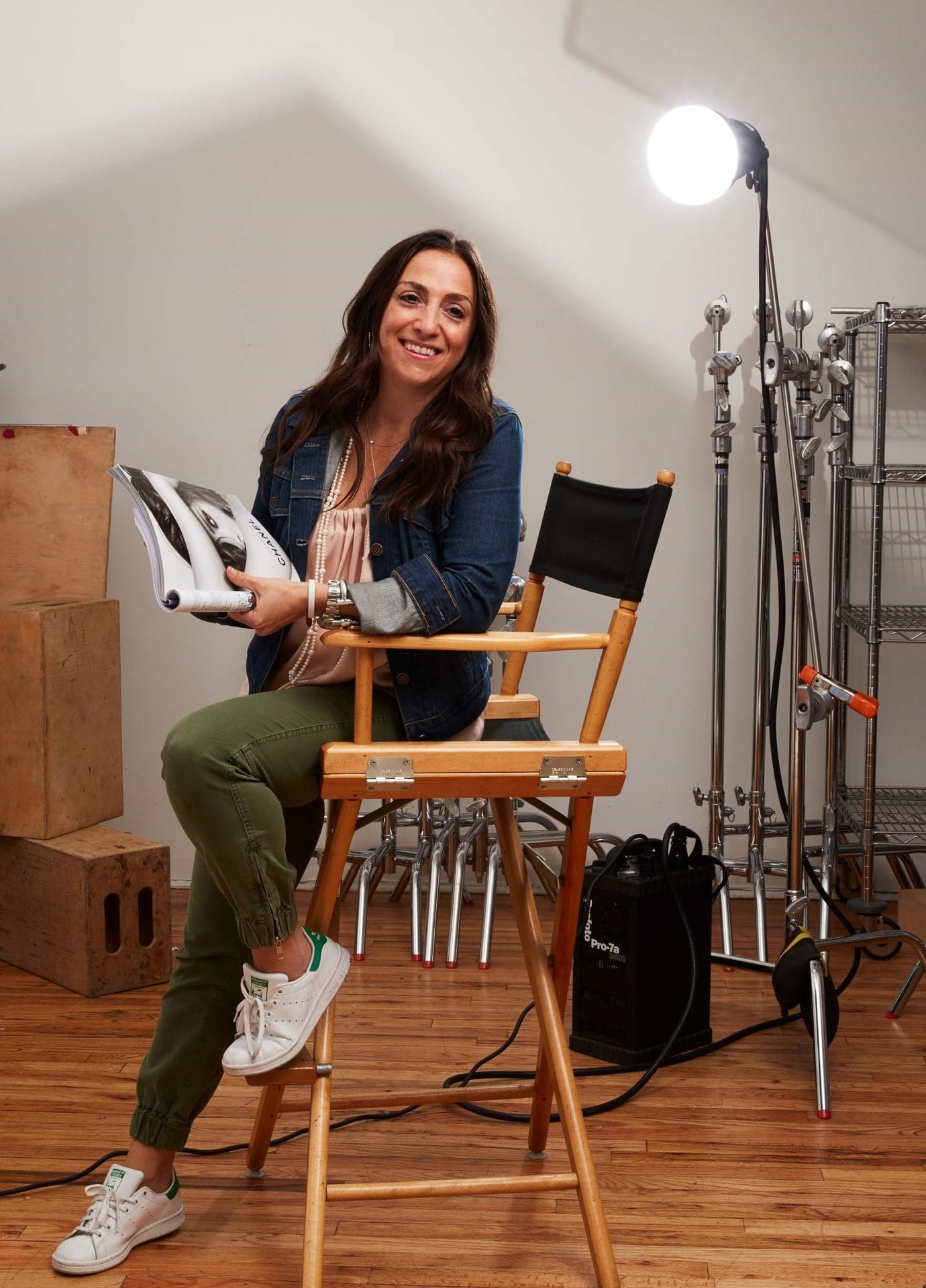
Alberta Testanero is a seasoned Creative Director based in New York City, with over twenty years of experience leading brand strategy, visual identity, and digital design initiatives for globally recognized fashion and lifestyle brands. Known for her refined aesthetic and strategic mindset, she has collaborated with iconic names like Tiffany & Co., Coach, Bergdorf Goodman, Ann Taylor, and Kate Spade, crafting high-impact work across branding, digital platforms, and experiential marketing.
In 2015, Alberta founded her NYC-based creative consultancy, where she partners with both emerging startups and established global brands to shape cohesive brand narratives, elevate consumer experience, and drive creative excellence across all touchpoints.
With a BFA in Graphic Design and Advertising from the Fashion Institute of Technology (SUNY), Alberta brings a strong foundation in visual storytelling and design leadership. Her work seamlessly blends art direction, design thinking, and cross-channel execution—skills that make her a go-to collaborator for integrated campaigns and brand evolution projects.
Beyond the studio, Alberta is passionate about animal rescue and global social impact. A lifelong traveler, she’s visited over 40 countries—drawing inspiration from cultures around the world. One unforgettable adventure took her to Rwanda’s Virunga National Park, where she followed in the footsteps of Dian Fossey and observed gorillas in the wild. She also volunteers for an NGO in East Africa, dedicated to empowering marginalized girls and women through education and mentorship.
What is your typical day, and how do you make it productive?
My days are packed — a steady cadence of creative work, collaboration, and problem-solving. I try to build in at least a short walk to reset my energy. If I can fit in a SoulCycle class, even better. Movement clears the noise and helps me stay sharp.
How do you bring ideas to life?
I always begin with the end in mind — what’s the goal, what’s the feeling we want to evoke? From there, I usually start with a loose sketch and seek out inspiration — art, photography, design archives, cultural cues. Then I just dive in. I believe in creative momentum over perfection.
What’s one trend that excites you?
I’m excited by the shift away from hyper-polished, overproduced content and toward work that feels more intentional and human. There’s a growing appetite for nuance—for storytelling that’s a little quieter, a little more layered. I think people are craving connection, not just stimulation. As a creative, that opens up space to take risks in more subtle ways and to build work that actually resonates instead of just performing well.
What is one habit that helps you be productive?
Every morning, I handwrite a to-do list. It helps me visualize the day ahead. There’s something satisfying about physically checking off tasks — it gives a sense of progress and presence.
What advice would you give your younger self?
Don’t overthink. And don’t be afraid of change. I’m still working on both, but the most important moves in my life happened because I stopped waiting for perfect timing and just started.
Tell us something you believe almost nobody agrees with you on?
I think over-collaboration can water things down. We’re in an era where everything is shared in real time, every decision is made by committee, and consensus is treated like the ultimate goal. But I actually think too much collaboration can dilute the work. The strongest creative ideas often come from a clear, singular vision—and sometimes that requires trusting one person to lead without ten layers of input. That opinion doesn’t always go over well, but I stand by it.
What is the one thing you repeatedly do and recommend everyone else do?
Write things down — all of it. Ideas, reminders, half-thoughts, to-do’s. The act of writing forces clarity and keeps your mind free for deeper thinking.
When you feel overwhelmed or unfocused, what do you do?
I step outside. A quick walk, even a short one, resets my nervous system and clears mental clutter. Fresh air and motion work wonders.
What is one strategy that has helped you grow your business or advance in your career?
Early in my career, I said yes to nearly every opportunity. It helped me build experience, relationships, and momentum. Over time, I’ve become more discerning — the work needs to fit me just as much as I fit the work. Alignment matters.
What is one failure in your career, how did you overcome it, and what lessons did you take away from it?
Taking a full-time role at a reduced salary was a mistake — one I’m still recovering from. It taught me not to undervalue myself. Compensation is a reflection of value and trust. Say no when it doesn’t align.
What is one piece of software that helps you be productive? How do you use it?
Adobe Creative Suite is the backbone of my workflow. I use it daily, across nearly every stage of the creative process. That said, the constant updates can be more frustrating than helpful. Sometimes, innovation feels like change for the sake of change.
Do you have a favorite book or podcast you’ve gotten a ton of value from and why?
I’ve never connected with podcasts — I’ve tried, but my mind wanders. I’d rather listen to music or get lost in a good autobiography. I’m fascinated by how others narrate their lives and choices.
What’s a movie or series you recently enjoyed and why?
I recently binged The Narrow Road to the Deep North, an Australian series following the life of Dorrigo Evans through war, love, and memory. I’m always captivated by stories set during WWII — they reveal the resilience and complexity of the human spirit. I’m not sure what it says about me, but I gravitate toward narratives with stakes, tension, and emotional weight.
Key learnings
- Taking short walks, especially outdoors, helps with productivity and stress management by allowing you to refocus and reset your energy.
- Don’t wait for opportunities to come along – take risks and embrace change.
- The best concepts are rooted in life experience, not trends, and prioritize nuance and emotional connection over just performance.