
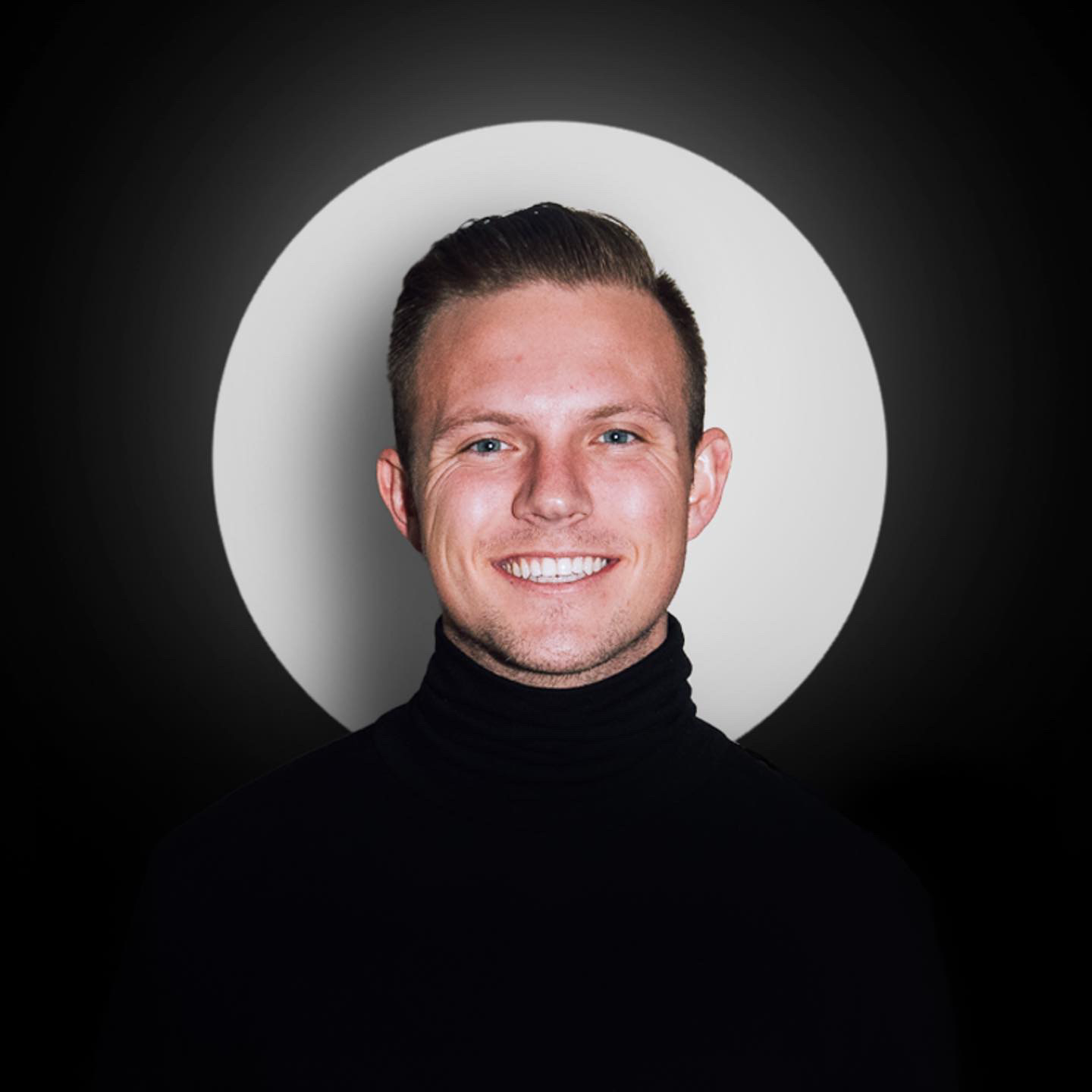
Alec Celestin is a multifaceted creative professional whose career spans global touring, brand management, social strategy, and emerging technology. As the founder of Fhotos n’ Frens, he has built an international presence as a content creator and tour manager, producing over one billion digital impressions while working alongside world-renowned entertainers. Alec Celestin’s creative eye, logistical expertise, and ability to translate live performances into compelling digital experiences have made him a notable collaborator in the modern entertainment industry.
Previously, Mr. Celestin worked at Afterparty, where he gained expertise in community building, experiential marketing, and digital culture innovation. As brand manager and event host, he engaged social communities on Instagram and Twitter and launched the Afterparty Artist Gallery, showcasing world-class NFT creators.
Between 2020 and 2022, Alec Celestin served as a brand manager for Flighthouse, a premier TikTok brand with more than 28 million followers. In this role, he oversaw the production and distribution of over 500 pieces of original content every year, managed multi-million-dollar client campaigns, and served as the primary liaison for high-profile talent and brand partners.
What is your typical day, and how do you make it productive?
My days split into two modes. When I’m on the road with artists, it’s structured chaos: morning travel, hotel check-in, sound check, dinner, the show, then editing content before sleep to do it all again the next day.
When I’m home, I’m building—working on small SaaS projects, shipping features, and iterating based on what’s working. Both modes require focus, but the road teaches me to work in constrained time blocks, while home time lets me think longer-term and build systematically.
How do you bring ideas to life?
Generally speaking, ideas I’ll have will come from something I see or hear about. Often times putting two, or more, references together that would otherwise not be connected.
The best ideas come from unexpected combinations—noticing a problem in one industry and applying a solution from another or seeing two separate trends that could work together. I’m constantly collecting these mental building blocks, waiting for the moment when they click together in a way that creates something new.
What’s one trend that excites you?
What’s exciting for me right now are two big shifts. First, micro-creators are becoming the real engine behind brand marketing. Today, anyone can become a creator and earn a livelihood if they put in the work. Second is AI. In just a few years, it’s gone fully mainstream for consumers, forcing every major company to rethink how they build, move, and compete. The result is massive competition—which is a good thing—because it accelerates innovation, lowers barriers to entry, and rewards the people who execute best.
What is one habit that helps you be productive?
Having a set structure for my mornings and work blocks removes decision fatigue and helps me stay focused. When the basics are automatic, I can put more energy into actually executing and making progress instead of constantly resetting my day.
What advice would you give your younger self?
I waited too long thinking I needed more experience, confidence, or validation before taking action. Most momentum comes from starting before you feel ready and learning in public. Action creates clarity—rarely the other way around.
Oh, and play golf growing up, not lacrosse. It’ll serve you far better in the long run.
Tell us something you believe that almost nobody agrees with you on.
Cream cheese on bagels is disgusting.
What is the one thing you repeatedly do and recommend everyone else do?
Cast a wide net and consume everything.
Watch what’s working, study what people are building, notice patterns everywhere. Use tools like Ahrefs and Similarweb to validate opportunities with real data.
When you feel overwhelmed or unfocused, what do you do?
No phone scrolling. No podcasts. Just music and walking around my neighborhood. That’s how I reset and often when I find my best ideas.
What is one strategy that has helped you grow your business or advance in your career?
Master one skill deeply, then build the natural next evolution.
The most successful builders I’ve studied don’t think in single projects. They think in sequences. They focus intensely on doing one thing exceptionally well, then use that foundation to identify what comes next. Not randomly, but deliberately.
The key is planning three steps ahead while you’re still on step one. Each step compounds on what came before.
What is one failure in your career, how did you overcome it, and what lessons did you take away from it?
I hosted three events for a brand in one month. The first two went great, so I got confident and pushed for a third. It was a disaster—only a handful of people showed up. Standing in a nearly empty venue was humbling and honestly embarrassing.
The lesson was simple: sometimes less is more.
What is one business idea you’re willing to give away to our readers?
Build a terminal for content clippers—think Bloomberg or Reuters, but for people who clip highlights from streamers and influencers. Right now, clippers manually watch streams, guess what moments will perform, and post without data. A platform that uses AI to flag high-engagement moments, provides analytics on what clips actually work, and offers streamlined editing and distribution tools would be incredibly valuable. Clippers are day-trading attention but doing it blind—give them a real-time dashboard with proper data, and you’ve solved a real problem in a growing market.
What is one piece of software that helps you be productive? How do you use it?
Claude Code. Instead of spending days setting up authentication, databases, and deployment infrastructure, I just describe what I need and it handles the grunt work. The real value isn’t just speed, it’s that I can stay focused on building the actual product instead of getting stuck on setup. What used to take months of learning and building now takes weeks. I’m not a better coder because of it, but I’m definitely shipping faster.
What is the best $100 you recently spent? What and why?
Golf lessons. I’d been stuck at the same skill level for months, grinding with bad habits I didn’t know I had. One hour with a coach who spotted exactly what I was doing wrong—grip, stance, swing path—immediately improved my game. The ROI was instant: better shots, more consistency, and actually enjoying the game instead of being frustrated. Sometimes you need someone who knows what they’re doing to point out the obvious thing you’re missing.
Do you have a favorite book or podcast you’ve gotten a ton of value from and why?
The Third Door by Alex Banyan. The premise is simple: there are three ways into any opportunity—the main entrance where everyone waits, the VIP entrance for those with connections, and the third door nobody talks about where you find an unconventional way in. The book follows an 18-year-old with no credentials figuring out how to interview Bill Gates and Warren Buffett by refusing to accept that closed doors are actually closed. When you’re starting with no audience or experience, this mindset is everything.
Key learnings
- Build with the next three steps in mind.
- Don’t stay in one place too long—action is what creates clarity and progress.
- Sometimes, less is more.
- Find a way, find your way.