
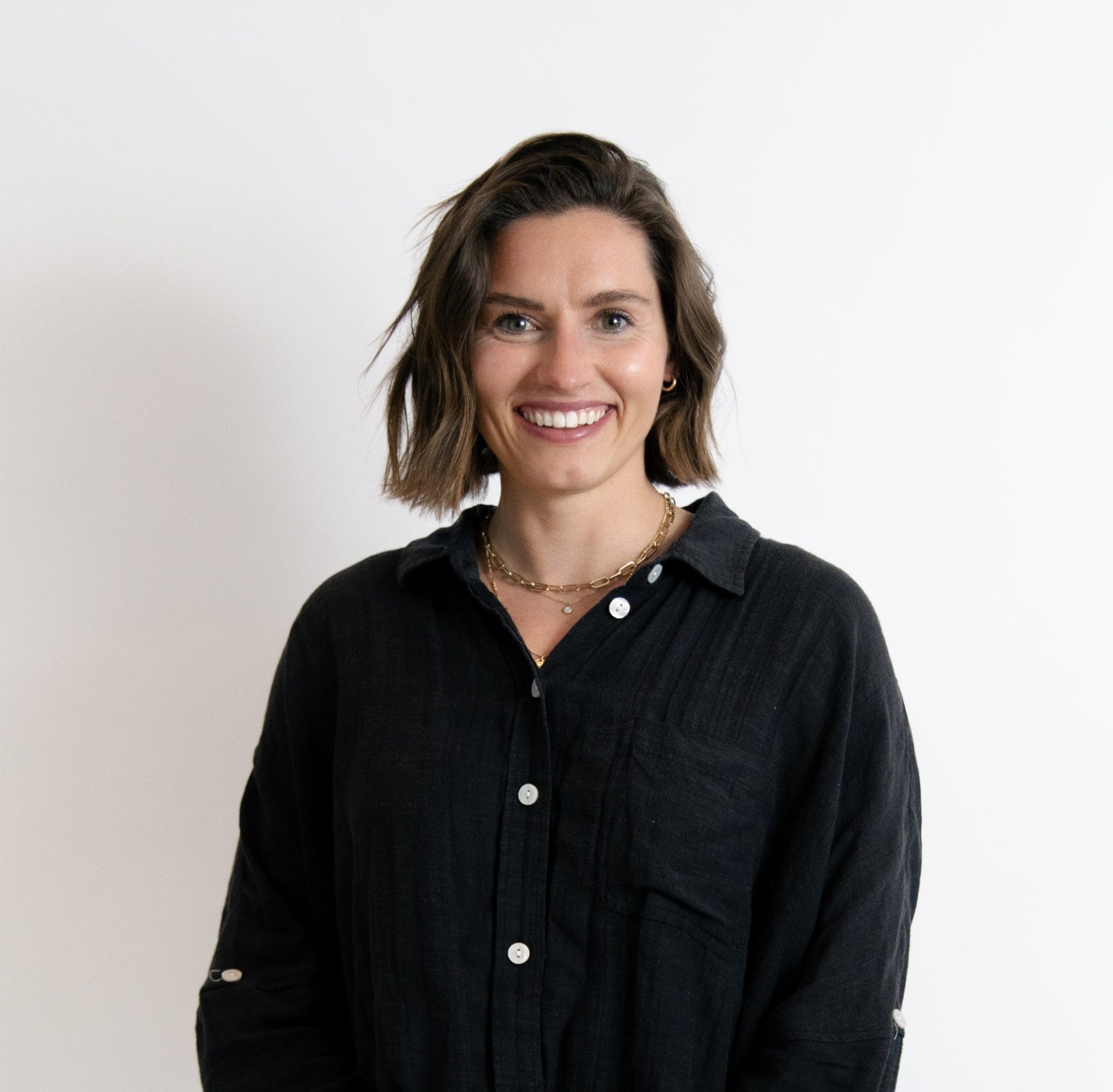
Alexa Heathorn, CNS-c, MS, CPT, is a clinical nutritionist, functional health practitioner, and the founder of Bloomed Wellness—a root-cause health collective redefining how women heal. Known for her science-backed, soul-led approach, Alexa helps clients uncover the root causes of their symptoms, reconnect with their bodies, and create lifelong health through personalized protocols, advanced lab testing, and sustainable lifestyle strategies.
Alexa’s passion for healing is deeply personal. After battling an eating disorder, navigating mental health challenges, and struggling to find a home in her body, she committed to not only reclaiming her own health but also helping other women do the same. Her journey taught her that sustainable health is about more than just protocols—it’s about embracing the messy, beautiful process of healing from the inside out.
At Bloomed Wellness, Alexa blends clinical precision with real-life relatability, bringing her signature “Head Nerd” energy to complex health topics. Whether she’s breaking down the gut-hormone connection or guiding women through metabolic recovery, her approach is both practical and deeply human.
- As a podcast guest, Alexa shares powerful insights on topics like:
- Reclaiming your health after hormonal birth control
- The real science behind balancing hormones and metabolism
- How trauma and stress impact the gut-brain connection
- Moving from disordered eating to true nourishment and body acceptance
- Practical strategies for healing from the root up
When she’s not deep in research or crafting client protocols, you’ll find Alexa strength training, ranching in Montana, or unapologetically nerding out on the complex, dynamic systems of the human body. Her mission? Change the way women heal—one root cause at a time.
What is your typical day, and how do you make it productive?
A typical day for me is structured around intention, movement, and balance. I start my morning with quiet, grounding rituals—making a cup of tea, reading, journaling, and practicing mindfulness. This morning time is non-negotiable for me; it’s my soul time—a calm, reflective space before the demands of the day take over. Afterward, I go for a walk and a playful ocean swim to move my body, connect with nature, and make sure my day includes at least this little moment of play no matter what else it holds. Then, I have a nourishing breakfast and get ready to start my workday.
Once I’m in work mode, I focus on client protocols, research, and content creation. I break up my day with a lifting session to recharge both mentally and physically. Movement is essential to maintaining my focus, energy, and creativity, and it allows me to show up at my best.
After work, I make space for hobbies and creative pursuits—whether it’s practicing Muay Thai, dancing, experimenting with herbs, learning guitar, or baking something new. These activities ground me and provide a much-needed shift from the structure of the workday to more creative, hands-on experiences.
As evening approaches, I wind down with a sunset walk, reflecting on the day and letting my thoughts settle. My evening routine is intentionally designed to calm my mind before bed—I make tea, stretch, and read in bed, giving my thoughts a chance to quiet down and prepare for restful sleep.
I maintain productivity by scheduling my day with intention—starting with peaceful reflection, moving into focused work, and ending with creative outlets and relaxation. This structure keeps me grounded, inspired, and consistently aligned with my personal and professional goals.
How do you bring ideas to life?
I bring ideas to life through movement, immediate action, and the incredible support of the people around me. Inspiration often hits when I’m moving—whether I’m lifting, walking, or swimming. Physical activity sparks creativity and helps me think more clearly, so I lean into that momentum and take action right away, even if it’s just a small step.
I’m also blessed to be surrounded by action-driven dreamers who support all my pursuits. Sharing ideas with my creative friends not only keeps me inspired but also helps shape my vision. They challenge me to think bigger, encourage me to move forward, and contribute to bringing my ideas to life in meaningful ways.
By combining movement, immediate action, and the energy of my community, I keep the creative process dynamic, collaborative, and always evolving.
What’s one trend that excites you?
One trend that really excites me is the shift toward personalized health—moving away from one-size-fits-all wellness advice to strategies that are tailored to each individual’s unique physiology and lifestyle. It’s empowering to see more people prioritizing their metabolic health, balancing hormones, and building muscle rather than just striving to be “skinny.” This trend aligns with my passion for helping women feel strong, resilient, and deeply connected to their bodies.
I’m also fascinated by the emerging field of quantum biology— what Deepak Chopra calls the science of energy in health. Exploring how energy dynamics, cellular communication, and bioenergetics influence our well-being opens up a whole new dimension of functional health. It’s exciting to integrate this cutting-edge science with traditional practices to create a holistic approach that’s both rooted in evidence and truly innovative.
Seeing more people embrace muscle-building, personalized wellness, and the deeper science of health feels like a powerful movement toward sustainable, resilient living—and I’m here for it.
What is one habit that helps you be productive?
One habit that keeps me productive is intentional planning. I’m a big fan of to-do lists, time blocking, and scheduling my week in advance. At the start of each week, I map out my key tasks and priorities, breaking them down into manageable steps. Then, I block out dedicated time for each activity—whether it’s client work, research, movement, or creative pursuits.
This approach not only keeps me focused but also reduces decision fatigue since I know exactly what I’m tackling each day. It helps me balance my personal routines and professional responsibilities, allowing me to stay grounded and efficient. Having a clear structure helps me make the most of my time while still leaving room for spontaneity and creativity.
What advice would you give your younger self?
If I could give my younger self one piece of advice, it would be this: Stop taking life so seriously. Hold lightly to every outcome and embrace the journey rather than getting caught up in the destination. Chase your dreams with passion but without attachment—pursue what lights you up without tying your worth to the result.
Seek only joyful living and let go of the need to control how things unfold. Nothing is worth sacrificing your well-being for—not success, not approval, not perfection. Stay curious, stay brave, and trust that life is meant to be lived with a sense of adventure, not pressure. Let joy be the compass.
Tell us something you believe almost nobody agrees with you.
Most people view weight loss resistance and chronic illness as purely physical challenges, but I believe they almost always trace back to an emotional or mental root cause. It’s not just about diet and exercise; it’s about how unresolved emotions, chronic stress, and psychological factors manifest as physical symptoms.
That’s why I’m deeply interested in quantum biology—to understand how our mental and emotional states directly influence physiological processes. By exploring how psychological circumstances create pathology in the body, we can move beyond symptom management and truly address the root causes of health challenges.
What is the one thing you repeatedly do and recommend everyone else do?
The one thing I repeatedly do—and recommend everyone else do—is learn to understand and love myself on a deeper level.
It’s not about striving for perfection or constantly fixing what’s “wrong”—it’s about cultivating a genuine relationship with yourself. This means being curious about your patterns, compassionate with your struggles, and celebrating your growth. The more I lean into self-awareness and self-acceptance, the more grounded, resilient, and aligned I feel—and that’s something I believe everyone deserves to experience.
Learning to truly love and understand yourself changes everything. It shapes how you move through the world, how you approach challenges, and how you build a life that feels authentically yours.
When you feel overwhelmed or unfocused, what do you do?
When I feel overwhelmed or unfocused, I turn to movement and nature to reset.
If it’s a smaller wave of stress, I’ll go for a walk, practice breathwork—usually with my legs up the wall—or just take a moment to ground myself. Moving my body and focusing on my breath helps clear my mind and bring me back to center.
But if it’s a deeper kind of overwhelm, I know I need more than a quick fix. That’s when I pack up my car and head into the mountains, completely off the grid. There’s something about disconnecting from the noise, immersing myself in nature, and giving myself the space to just be that always brings clarity and calm.
It’s my way of pressing the reset button—coming back to myself so I can move forward with intention.
What is one strategy that has helped you grow your business or advance in your career?
One strategy that has significantly helped me grow my business is letting go of perfection and taking action before the plan feels “good enough.”
In the past, I’d get stuck in the cycle of overthinking and trying to perfect every detail before moving forward. But I realized that waiting for the perfect plan often meant missing opportunities and slowing down progress. Now, I focus on taking intentional action—even when it feels a bit messy or uncertain.
By prioritizing movement over perfection, I’ve learned to trust the process, adapt quickly, and keep momentum going. This approach has allowed me to test new ideas, learn from real-world feedback, and make adjustments on the fly—ultimately leading to faster growth and more authentic connections with my community.
It’s about embracing progress over perfection and trusting that I can refine as I go. Taking imperfect action has been a game changer.
What is one failure in your career, how did you overcome it, and what lessons did you take away from it?
One of my biggest failures was jumping straight into clinical practice right after grad school and building a business I didn’t truly want to own. Fresh out of my program, I threw myself into starting my own practice, driven by ambition and the desire to make an impact. The business grew quickly—within just eight months, I had a thriving practice with a team of five. From the outside, it looked like I was killing it.
But behind the scenes, I was burning myself out—working long hours, pushing through exhaustion, and forcing myself to keep up with something that didn’t align with my passion. My heart wasn’t in managing a clinical practice; I belong deep in research, drawing connections, thinking at higher levels, and crafting solutions from the back end.
The hardest part was admitting that this business—successful and thriving as it was—wasn’t right for me. It felt almost stupid to downsize something that was objectively working. But I couldn’t ignore the growing feeling that I was living out of alignment. I had sacrificed so much of my heart, soul, and health to build it, but it got to a point where I couldn’t keep pushing forward in the wrong direction.
So, I made the tough call to downsize. I kept the practice running as a side gig and let it grow organically at its own pace while I shifted my focus to work that truly fuels me. Letting go of the hustle and giving myself permission to follow my true passion felt both terrifying and liberating.
The biggest lesson I took away from this experience is that success isn’t just about growth or outward achievements—it’s about building something that resonates with who you are. Sometimes, the bravest move is choosing alignment over external validation and trusting that the right path will unfold when you give yourself permission to pivot.
What is one business idea you’re willing to give away to our readers?
Personalized CSA Boxes Based on Blood Work and Biochemistry
Why it’s Needed:
Most CSA (Community Supported Agriculture) boxes offer general produce or food items without considering individual health needs. Your concept flips that model by creating customized, nutrient-dense boxes that directly align with clients’ unique biochemistry and health goals. This approach merges personalized nutrition with local, sustainable food sourcing—meeting the needs of health-conscious consumers who want tailored solutions.
How It Works:
Client Intake & Blood Work Analysis:
Start with a comprehensive intake session, reviewing blood panels, biochemistry, and specific health goals (hormone balance, gut health, metabolism, etc.).
Use advanced lab testing (like GI-MAP, DUTCH, comprehensive blood chemistry) to identify nutrient deficiencies or metabolic imbalances.
Personalized Nutrition Plan:
Develop a tailored nutritional strategy based on their results. For example:
Low Iron/Ferritin: Include iron-rich foods (grass-fed beef, dark leafy greens, beets).
Hormonal Imbalances: Seed cycling packs, cruciferous veggies, and hormone-supporting herbs.
Gut Health: Fermented foods, fiber-rich produce, anti-inflammatory ingredients.
Metabolic Support: High-protein items, omega-3-rich foods, and low-glycemic produce.
Curated CSA Box:
Partner with local farms, ranches, and producers to source high-quality, nutrient-dense foods.
Each box includes personalized selections aligned with the client’s current needs, along with a guide explaining why these foods are beneficial.
Include recipes and meal ideas to make it easy to incorporate the ingredients.
Ongoing Support & Adjustments:
Monthly or bi-monthly box updates based on new lab results or client progress.
Option to include functional foods like bone broth, fermented vegetables, and adaptogenic teas.
Value-Added Extras:
Educational handouts explaining the science behind their box contents.
Access to a private online community where clients can share recipes and tips.
Option to add on nutrition consultations or meal planning services.
Why It Works:
Personalization: Tailored to each client’s unique health profile.
Sustainability: Supports local agriculture while providing nutrient-dense options.
Education: Clients understand why each item supports their health goals.
Long-Term Health: Adapts as client needs evolve, promoting sustainable lifestyle changes.
What is one piece of software that helps you be productive? How do you use it?
One piece of software that keeps me productive is Asana. I use it for weekly planning and organization, breaking down my projects into manageable tasks and setting clear deadlines.
At the start of each week, I map out my priorities in Asana, creating task lists for client work, content creation, research projects, and personal routines. I categorize everything into projects and use tags to track progress. The ability to visually see my workload helps me stay focused and organized throughout the week.
I also use Asana’s calendar view to time-block my schedule, ensuring that I balance client work with creative projects and personal commitments. It keeps me accountable and helps me avoid feeling overwhelmed by big tasks—breaking them down into actionable steps makes all the difference.
Asana isn’t just a productivity tool for me—it’s a system that keeps my week structured and my mind clear.
What is the best $100 you recently spent?
The best $100 I recently spent was on a pair of Altra trail running shoes. It’s trail running season, baby—my favorite training block of the year!
There’s something about hitting the trails that just fuels my soul—combining movement, nature, and that grounded, primal feeling of running on dirt. These shoes are perfect for the job—lightweight, comfortable, and designed to handle rugged terrain while giving my feet the support they need.
Investing in gear that gets me outdoors and moving is always worth it. Trail running isn’t just training for me—it’s therapy, inspiration, and pure joy wrapped into one sweaty, muddy, soul-filling experience.
Do you have a favorite book or podcast from which you’ve received much value?
My favorite book is one I start my day with every single morning—”Journey to the Heart” by Melody Beattie. It’s a collection of daily meditations that somehow always seem to speak directly to whatever I’m going through.
It feels like my soul left a journal entry for me to read the next day. The messages are grounding, reflective, and often exactly what I need to hear to set the tone for my day. It’s not just a book; it’s a ritual that helps me connect with myself and start the day with intention and clarity.
I swear, every page feels like a personal reminder to slow down, stay present, and keep moving forward with an open heart. It’s been a game-changer for my mindset and my morning routine.
What’s a movie or series you recently enjoyed and why?
I’m not much of a TV person, but I’ve recently gotten into the fantasy genre of books—and I’m hooked. There’s something about escaping to another world full of adventure, complex characters, and epic journeys that just pulls me in. Most recently I read the Empyrean Series
Key learnings:
- Follow Your Passion, Not Just Success
- Action Over Perfection
- The Power of Movement and Reflection
- Leaning into Creativity and Community
- Pursuing Alignment Over Validation