
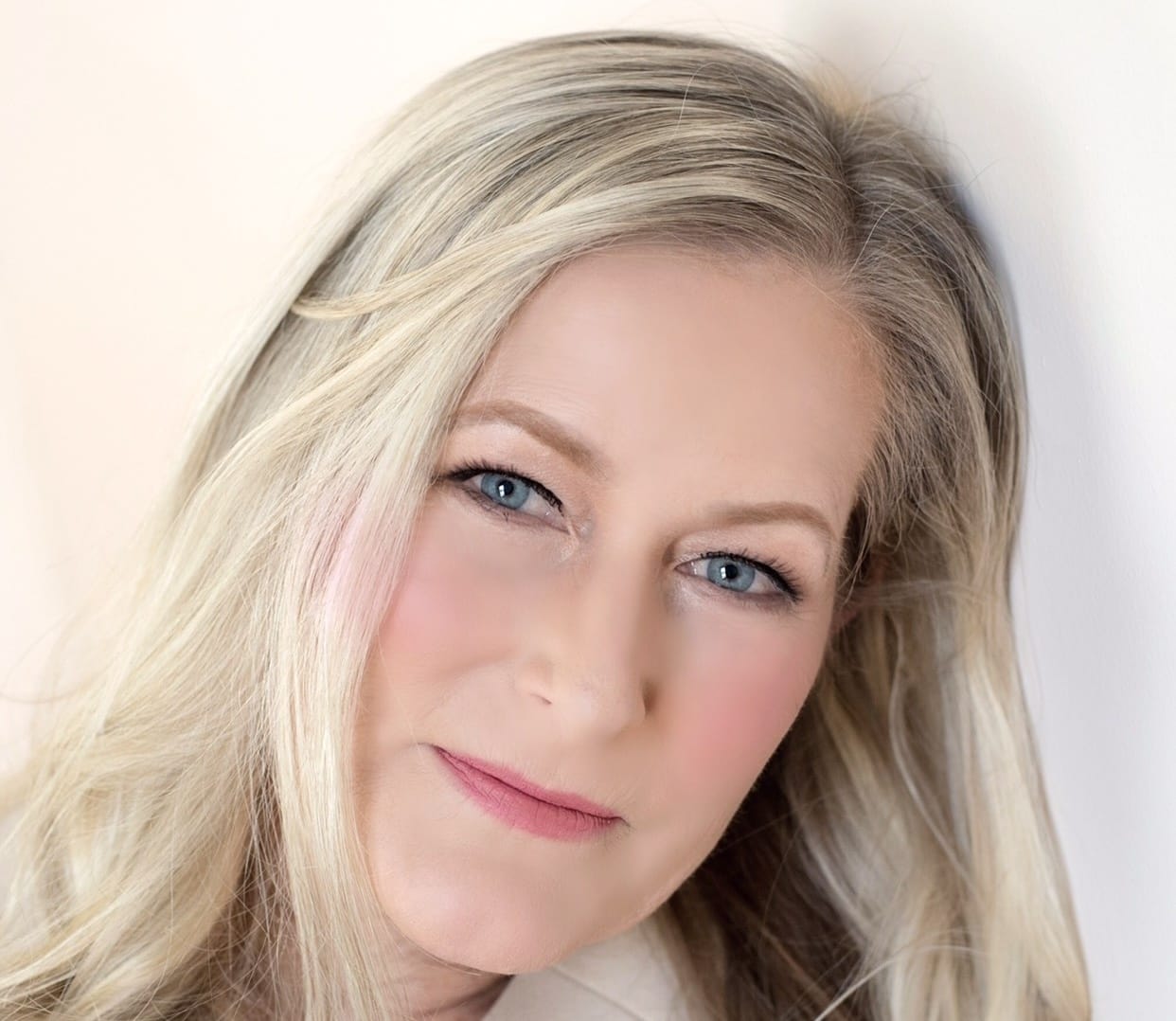
Dr. Audrey Arona is an experienced OBGYN physician who led a Lawrenceville, Georgia, private practice from 1999 to 2019. Possessing an extensive public health management background, she most recently guided GNR Public Health as CEO and district health director. Responsible for overall public health management in state and federal programs across three counties, Dr. Audrey Arona oversaw departmental budgets. She assigned expenditures for specific programs and initiatives offered by health centers, environmental health centers, infectious disease clinics, and STD/HIV clinics. Undertaking in-depth evaluations, she also provided guideposts for health department clinics to improve services and boost efficiency and productivity metrics.
Dr. Arona joined GNR Public Health as a medical consultant and initially engaged with public health staff in reviewing clinic charts and nurse protocols, as well as assessing nurse laboratory competencies. She provided diagnostics and treatment to OBGYN patients with sexually transmitted diseases and collaborated with mammogram centers in ensuring quality mammography services. Dr. Arona also undertook surgical care for patients who required advanced gynecological procedures.
Dr. Audrey Arona maintains a patent in the medical equipment sector and built weight loss and vaginal rejuvenation clinics from the ground up. She enjoys ballet, arts, and theater, and was a champion equestrian barrel-racer in high school.
What is your typical day, and how do you make it productive?
My days start early, using quiet hours to review lectures, grade assignments and catch up on reading. Lectures are spaced out during the day. Simulation events with students then clinic rounds with standardized patients. I also hold office hours for student mentoring, career guiding and research supervision. Curriculum committee meetings as well as departmental meetings also occur during the week, and emails and administrative duties are scattered during available time. Productivity is enhanced through calendaring everything with prioritization indicators. Leveraging technology to assist works well, always with a constant focus on the mission to educate future physicians while advancing science and improving health care.
How do you bring ideas to life?
Ideas spring to life in my career by transforming insight into impact, all through education, research and innovation. In teaching, for example, I notice the gaps in student understanding and intentionally change curriculum content. Patient-driven questions drive how information is presented to the students, and a focus on teaching critical thinking while emphasizing empathy creates a more well-rounded physician.
What’s one trend that excites you?
Integrating artificial intelligence into medical training is new and priceless. Students will learn how to interpret and work with AI tools, and this trend prepares them for the future that will be AI-augmented.
What is one habit that helps you be productive?
Time blocking helps me juggle all my responsibilities and carves our focused, distraction-free time for each responsibility. This helps my mind stay focused without worrying about what I may be missing. It also helps me plan my weeks in advance to meet short-term and long-term goals.
What advice would you give your younger self?
I would emphasize that failure is not fatal and that joy needs to be protected.
Tell us something you believe almost nobody agrees with you on?
I believe that grades matter far less than curiosity and kindness.
What is the one thing you repeatedly do and recommend everyone else do?
Reflect often and intentionally.
When you feel overwhelmed or unfocused, what do you do?
I pause with purpose. I make myself take time away from everything and focus on breathing. I usually go for a walk. This helps me identify the source of why I feel overwhelmed and then I am able to think rationally about an alternative plan around that space.
What is one strategy that has helped you grow your business or advance in your career?
One strategy to advance my teaching career is to focus on helping my students uncover what truly matters. In my lectures I try to identify a few takeaways from each lecture and let go of excess detail that clouds the subject. I try to use active learning by teaching cases and team-based learning, and I try to ask powerful questions that create the students to reflect.
What is one failure in your career, how did you overcome it, and what lessons did you take away from it?
Newly appointed as a medical school professor, I realized that some lecture content just failed to engage students. The information was dry and often boring and I felt the students were disconnected. Instead of continuing with the same approach, I listened to the feedback from the students and also attended some of the school’s webinars focused on medical education strategies. I learned how to integrate active learning techniques such as case-based discussions and patient vignettes into the lectures. The takeaways from this experience included understanding that content expertise does not automatically translate to effective teaching. I learned that feedback is an actual gift and that making content clinically relevant will help students learn better, retain the information more thoroughly and stay engaged.
What is one business idea you’re willing to give away to our readers?
I would love to see an App be developed that is free and mobile-friendly to yield interactive cases for whatever specialty medical students are rotating through that will stimulate real clinical rounds. This would be great for residents also and perhaps the attendings as well. I believe this would mimic the thinking process of experienced doctors and guide the users through critical thinking, management decisions, as well as building differential diagnoses. This would essentially be an App to guide critical thinking under the pressure of team rounds.
What is one piece of software that helps you be productive? How do you use it?
Notion – This is a cloud-based tool for productivity that helps its user create a workspace that is centralized for virtually everything including notes and databases. It is highly customizable and can be used to organize projects, ideas and knowledge. I use it both personally and for my team for lecture planning, curriculum mapping, writing, research and student mentorship. I also use it as a dashboard for my own personal academic goals. It has helped me reduce the chaos of juggling all my responsibilities.
Do you have a favorite book or podcast you’ve gotten a ton of value from and why?
The podcast, “On Being with Krista Tippett” is all about faith, service, and enhancing human connection. There are great conversations with leaders all around the world geared toward spreading what it means to live a life of service with integrity.
My favorite book is edited with a commentary by Brian Kolodiejchuk, M.C. entitled “Come Be My Light”. This book is an assembly of private writings of Mother Teresa. She lived her life caring for people who were dying, people who were discarded, and people who had been forgotten. She saw people that society ignored, and emphasized to the world that every single human life has dignity.
What’s a movie or series you recently enjoyed and why?
The Chosen. The depth of character of the lives portrayed from Bible stories was palpable and was depicted cleverly. Jesus is seen as personable, funny, warm and fully divine, and the powerful miracles displayed drew rich emotions. The series captured the rich relationships of the disciples with Jesus. The creators made this series with love and faith and it was obvious they cared deeply about the content and the audience.