
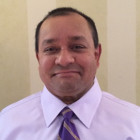
Dr. Avijit Mitra’s story begins with determination. He came to the United States for college, driven by curiosity about the human mind and a belief in hard work. With no shortcuts, he earned scholarships, worked long hours, and put himself through medical and graduate school. He completed a master’s in neuroscience at Rutgers University, then studied at Columbia Presbyterian Medical Center, where he learned the importance of perseverance and compassion in medicine.
His training continued at the Mayo Clinic, where he completed a residency in adult psychiatry. There, he developed a philosophy rooted in evidence-based care and empathy. At Yale University’s Child Study Center, he completed a fellowship in child and adolescent psychiatry, learning how families and communities shape mental wellness.
Over the past two decades, Dr. Mitra has built a respected career as a psychiatrist, educator, and leader. He served as an Assistant Professor of Psychiatry at Yale and continues as an Attending Psychiatrist with the Department of Mental Health.
Dr. Mitra believes healing begins with understanding the whole person, biological, psychological, and social. He works closely with families, schools, and physicians to provide care that truly connects.
He received the Connecticut State Psychiatric Society’s Appreciation Award for his service on the Sandy Hook crisis team, a moment that deepened his commitment to humanity in medicine.
Outside the clinic, he finds peace in tennis, hiking, and time outdoors, simple reminders of balance, resilience, and the calm he helps others find every day.
What is your typical day, and how do you make it productive?
My days start early. I like quiet mornings, so I wake up before sunrise, make tea, and review my schedule. I look over patient notes, prepare for consultations, and set one or two priorities for the day. At the clinic and in my private practice, I move between adult, child, and adolescent cases, which keeps me alert and flexible. Productivity for me comes from structure. I block time for documentation, time for calls with schools or families, and time for thinking. If everything has a place, the day flows better.
How do you bring ideas to life?
Most of my ideas come from patient encounters. When I notice a pattern, like sleep disruption in teenagers during exam season, I start by asking more questions, reading new studies, and comparing approaches. I test ideas slowly: one patient, one family meeting, one adjustment. If something consistently helps, I share it with colleagues.
What’s one trend that excites you?
I’m encouraged by the shift toward integrated care, with mental health, primary care, and schools working together instead of in separate worlds. For years, I’ve pushed for this, especially for young patients.
What is one habit that helps you be productive?
I write everything down. During residency at Mayo Clinic, my attending kept a small notebook in his pocket and wrote constant observations. I copied the habit and still use it today.
What advice would you give your younger self?
Don’t rush. During my neuroscience program at Rutgers, I felt a constant urgency to know everything at once. I’d tell that version of myself to slow down and trust the process.
Tell us something you believe almost nobody agrees with you on?
I think long walks reveal more about a person’s mental state than a formal mental status exam sometimes can. When I walk with patients outdoors, which I occasionally do in private practice, I learn things they would never say in a closed room.
What is the one thing you repeatedly do and recommend everyone else do?
Move your body every day. Tennis and hiking clear my head better than any technique I learned in training.
When you feel overwhelmed or unfocused, what do you do?
I step outside. Even five minutes. When I served on the Sandy Hook crisis team, the emotional weight was intense. I learned then that stepping out into the cold air helped me reset enough to continue helping others.
What is one strategy that has helped you grow your business or advance in your career?
I stay in close communication with primary care doctors and schools. That collaboration led to referrals, deeper trust, and better outcomes for patients. When people see you care about the whole picture, they remember.
What is one failure in your career, how did you overcome it, and what lessons did you take away from it?
Early in my private practice, I scheduled too many back-to-back appointments. I burnt out quickly and felt like I wasn’t giving anyone my best. I overcame it by restructuring how I use my time, fewer patients per day but deeper work with each one. Quality over quantity.
What is one business idea you’re willing to give away to our readers?
Create a platform where schools can request short, on-demand mental health consults from clinicians. Not therapy, just guidance. It would prevent small issues from becoming crises.
What is one piece of software that helps you be productive? How do you use it?
I rely on a secure, simple note-taking app. I categorize patients by themes, sleep, anxiety, and academic stress, so I can track emerging patterns.
Do you have a favorite book or podcast you’ve gotten a ton of value from and why?
I often return to Oliver Sacks’ The Man Who Mistook His Wife for a Hat. It reminds me how complex and surprising the brain can be.
What’s a movie or series you recently enjoyed and why?
I enjoyed The Bear. Its portrayal of pressure, family dynamics, and emotional strain felt authentic.
Key learnings
- Integrated, collaborative care between families, schools, and medical providers leads to stronger long-term outcomes.
- Small daily habits, note-taking, movement, and structured time, can significantly improve productivity and clarity.
- Slowing down and pacing yourself is essential for preventing burnout in high-stress professions.