
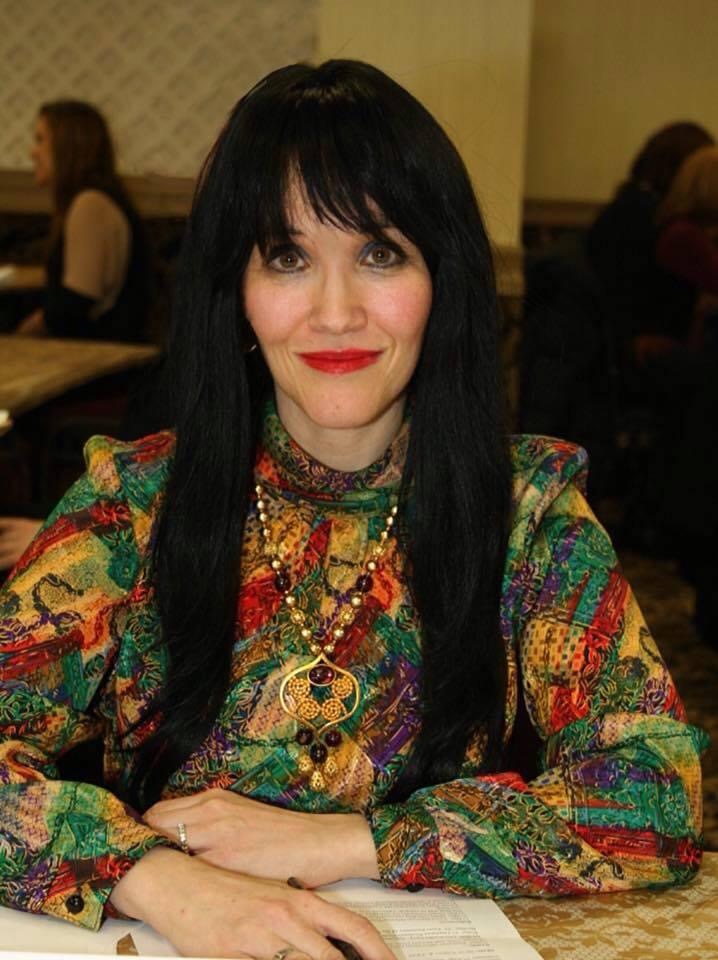
Based in Lawrence, New York, Betty Sebrow has worked as a dating and relationship coach at Baila Sebrow Events, LLC, since 1990. She also provides matchmaker and shadchan services, with a focus on pairing marriage-minded partners the world over. She expanded her professional activities in 2007 by founding Neshoma Advocates, LLC. In her position as director, she develops and delivers a series of educational training services, summits, and conferences that address a range of social issues. Her services prioritize the needs of at-risk youth in the community. Betty Sebrow manages several additional roles, such as her work as an event organizer, advice columnist at 5TJT in Cedarhurst, and her position as producer and host of The Definitive Rap Show, a weekly political and human interest podcast. Her past positions include consultant and content writer for Madraigos and production editor at Gordon and Breach Scientific and Technical Publishing.
Betty Sebrow holds an English degree from the City University of New York, Brooklyn, and a master of arts in journalism from New York University. She also holds a Hebrew and Judaic studies teacher’s degree from the Sara Schenirer Teachers Seminary, now the Sara Schenirer Institute.
What is your typical day, and how do you make it productive?
My day is structured around people and priorities. I start early with praying, saying psalms, quiet thinking and planning, followed by focused blocks for client work, matches, coaching sessions, and strategic decisions. My work revolves around conversations, decisions, and problem-solving, so I’m careful to pace my energy and focus on what truly moves things forward rather than just staying busy.
How do you bring ideas to life?
I act on them. I’ve learned that ideas don’t become real by overthinking—they become real by starting. I test, adjust, and refine as I go. Progress creates clarity.
What’s one trend that excites you?
People becoming more self-aware and intentional. Especially in relationships and career choices, there’s a growing shift away from checking boxes and toward asking “Is this actually right for me?”
What is one habit that helps you be productive?
As a writer, I’m always writing things down. If it’s not written, it’s not real. Clear lists reduce mental clutter and prevent emotional decision-making.
What advice would you give your younger self?
You don’t need to explain yourself to everyone. Clarity, consistency, and integrity will outlast approval.
Tell us something you believe that almost nobody agrees with you on.
Boundaries don’t push people away—they reveal who belongs.
What is the one thing you repeatedly do and recommend everyone else do?
Pause before committing. A thoughtful “let me think about that” can save much frustration.
When you feel overwhelmed or unfocused, what do you do?
I step back, reassess priorities, and eliminate anything that doesn’t directly serve the goal. Simplification restores clarity. I identify what actually matters in that moment and let the rest fall away. Overwhelm usually means too many unnecessary inputs.
What is one strategy that has helped you grow your business or advance in your career?
Being unapologetically clear about who I am, how I work, my standards and process. This filters out misalignment early and attracts the right people—clients, collaborators, and opportunities—which saves time and builds trust.
What is one failure in your career, how did you overcome it, and what lessons did you take away from it?
Early in my career, I underestimated how much clarity was needed when working with others. I assumed expectations were understood, and that led to misalignment and extra work to fix things later. I took responsibility, asked for feedback, and changed how I communicate—now I confirm expectations in writing and check in earlier rather than later. The lesson I took away is that strong communication isn’t just about being responsive; it’s about being explicit and proactive. That’s something I consistently practice now.
What is one piece of software that helps you be productive? How do you use it?
A digital calendar paired with task management. Everything has a time slot—if it doesn’t, it doesn’t happen.
What is the best $100 you recently spent? What and why?
The best $100 I recently spent was on charity—given quietly to someone who needed support at a difficult moment. Our sages teach that the highest form of giving preserves dignity and being able to help in a way that respected privacy made it especially meaningful. It was a reminder that no investment yields greater return than helping another person stand a little taller.
Do you have a favorite book or podcast you’ve gotten a ton of value from and why?
Books and podcasts focused on human behavior and decision-making. Understanding people is the foundation of leadership, relationships, and business.
What’s a movie or series you recently enjoyed and why?
Character-driven dramas that explore moral complexity. They mirror real life—where decisions are rarely black and white.
Key learnings
- Healthy boundaries, when guided by Torah values, foster stronger relationships and prevent unnecessary harm.
- Clarity emerges through action, reflection, and course correction rather than excessive deliberation.
- True alignment is rooted in shared values and middos, not external appearances
- Structure and accountability are essential for building trust and sustaining long-term success.
- Smaller, intentional frameworks often create deeper connection and more meaningful impact.