
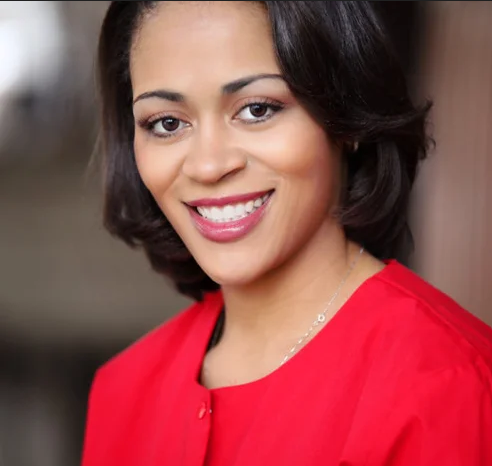
Dr. Brandice Allen is a pediatric dentist based in Georgia.
Brandice Allen grew up in Atlanta, Georgia, and went to North Atlanta High School. She carried that hometown drive with her through college at Howard University and graduate work at Saint Louis University. Both schools pushed her to think beyond the classroom, and both set her up for the harder work that came next: dental school at the University of Tennessee.
Dental school is where most people would stop and call it a career. Dr. Allen kept going. She finished a pediatric dental residency at the University of Tennessee, choosing to specialize in the patients other dentists sometimes find hardest to treat: kids. That decision shaped everything that followed. Treating children takes a different kind of patience and a different kind of communication than treating adults, and it is the piece of her training she leans on daily.
Outside the practice, Dr. Allen has taken on the role of Dental Director for Hope Mission 360, bringing her clinical skills to communities that need them most. Volunteer work sits at the center of how she spends her time away from the chair, alongside traveling, biking, live music, and catching a play when she can. She also makes room for plain family time, the kind that does not make headlines but keeps a person grounded.
Her path from Atlanta classrooms to pediatric dentistry did not follow a straight line, but it followed a clear one: education first, service always, and a steady focus on the patients who need the most patience.
What is your typical day, and how do you make it productive?
My days start early because kids’ appointments are best scheduled before school, not after, when they are tired and less cooperative. I block my morning hours for the youngest patients and save afternoons for procedures that need more time. I try to build in a short gap between patients so I am not carrying stress from one appointment into the next.
How do you bring ideas to life?
I test things on a small scale first. If I want to change how we explain a procedure to a nervous child, I try it with one or two patients before making it part of how the whole practice does things. Small tests tell you fast whether an idea actually works with real kids in the chair.
What’s one trend that excites you?
I like seeing more dental practices treat behavioral comfort as part of clinical care, not separate from it. Helping a child feel calm is not a soft skill on the side. It is part of doing the dentistry well.
What is one habit that helps you be productive?
I review the next day’s patient list the night before. Knowing who is coming in, and what they need, means I am not reacting on the fly.
What advice would you give your younger self?
I would say the residency years feel long while you are in them, but the specific training is what lets you do this work well later. Do not rush past it.
Tell us something you believe almost nobody agrees with you on?
I think a child’s first dental visit matters more than most adults assume, even when there is nothing wrong yet. Waiting for a problem to show up is not caution. It is a missed head start.
What is the one thing you repeatedly do and recommend everyone else do?
Volunteer somewhere on a regular schedule, not just once. Consistent volunteer work, like the mission dental trips I take part in, changes how you see your own daily work.
When you feel overwhelmed or unfocused, what do you do?
I get outside and get on my bike. Biking clears my head faster than almost anything else I have tried.
What is one strategy that has helped you grow your business or advance in your career?
Saying yes to the pediatric residency instead of a shorter path helped the most. It added years of training, but it gave me tools for treating children that a general practice does not teach.
What is one failure in your career, how did you overcome it, and what lessons did you take away from it?
Early on I sometimes rushed explanations to nervous parents because I was focused on the clinical steps. I learned to slow down and answer the parent’s fear first, then the clinical question. Parents remember how you made them feel as much as what you told them.
What is one business idea you’re willing to give away to our readers?
A simple after-visit text update for parents, letting them know how their child did and what to watch for at home, would ease a lot of unnecessary worry.
What is one piece of software that helps you be productive? How do you use it?
I rely on our practice’s scheduling system to flag which patients need extra chair time based on age or anxiety history, so the day does not fall behind.
Do you have a favorite book or podcast you’ve gotten a ton of value from and why?
I come back to stories about people doing hard, service-focused work in difficult settings. They remind me why the mission trips matter as much as the clinic does.
What’s a movie or series you recently enjoyed and why?
I enjoy live theater more than film these days. Watching a play performed live has an energy that a screen does not match.
Key learnings
- Specialized pediatric training shapes how comfort and clinical care are combined for young patients.
- Consistent volunteer commitments, not one-time efforts, tend to have the deepest impact on both the volunteer and the community.
- Small-scale testing of new patient communication methods helps practices improve without disrupting care.
- Simple follow-up communication with parents can reduce anxiety after a child’s appointment.