
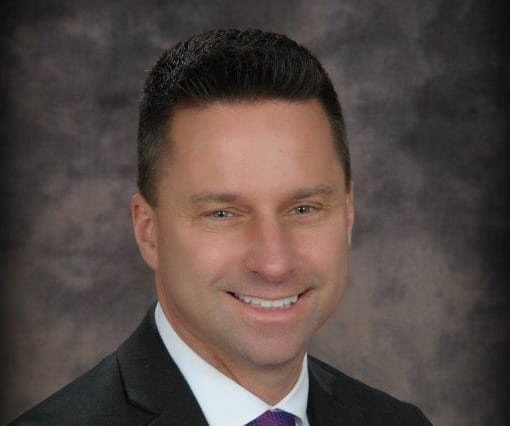
A graduate of Ferris State University, Brian Uridge earned a Bachelor of Science in criminal justice. He later earned a master’s degree in public administration at Western Michigan University. He began his career as a public safety officer with the Kalamazoo Department of Public Safety (KDPS) and spent 23 years in various capacities with the fully integrated public safety agency. Brian Uridge last served KDPS as assistant chief of operations. Brian Uridge then joined Spectrum Health System as director of security services. Through 3 years in this role, he oversaw a group of 200 security and safety staff members for the 14-hospital health system. He implemented effective training programs and employed a non-traditional community policing approach that resulted in extensive year-over-year reductions in theft and disorderly person calls. He served as director of health care safety and security programs at Compliance One Group from 2016 to 2018. Since then, Brian Uridge has worked as director of Michigan Medicine Security and deputy director of the Department of Public Safety and Security at the University of Michigan. He is particularly well versed in health care violence reduction and has earned several awards during his career, including the Kalamazoo Public Safety Life Saving Award and Kalamazoo Public Safety Professional Excellence Award.
What is your typical day, and how do you make it productive?
I start my day early, usually at 4 a.m., because I find that getting up early allows me to focus before the world around me gets busy. I dedicate the first part of my morning to physical fitness—hitting the gym is crucial for me to maintain both physical and mental energy throughout the day. After that, I head to work, making sure I stay on top of my tasks by bringing my lunch to avoid distractions and keep my energy levels steady. Throughout the day, I stay organized by keeping a task list on my phone and my email handy so I can manage responsibilities efficiently. A big part of making my day productive is ensuring I get eight hours of sleep, which allows me to wake up refreshed and ready to tackle whatever comes my way. I believe a structured routine helps me stay on track and make the most of each day.
How do you bring ideas to life?
Turning ideas into reality is a collaborative effort for me. It starts with engaging my team members in discussion—brainstorming ideas and refining them together. But what really helps bring those ideas to life is connecting them to a clear mission and explaining the “why” behind them. I always emphasize that we can pilot the idea first to test its viability, and if it doesn’t work, we can pivot and try again. I also encourage my team to challenge rigid thinking, like using absolutes such as “always” or “never.” Often, when we say, “we’ve always done it this way” or “it will never work,” we close ourselves off to innovation. So, I encourage flexibility and an open mind throughout the process.
What’s one trend that excites you?
I’m particularly excited about the trend in healthcare focused on scenario-based training to improve safety for clinical staff. This training emphasizes the importance of situational awareness, proxemics (the use of personal space), and de-escalation techniques. These elements are crucial for maintaining a safe environment for healthcare professionals, especially in high-stress situations. The integration of this approach in healthcare can help not only prevent harm but also equip staff with the tools they need to feel confident and empowered in their roles.
What is one habit that helps you be productive?
A key habit that helps me stay productive is prioritizing physical fitness, balanced nutrition, and quality sleep. I believe these three habits are foundational to maintaining both mental and physical well-being, which in turn supports productivity. When I feel good physically, my mind operates more efficiently, and I can stay focused and energized throughout the day. Taking care of my body also ensures that I don’t burn out and can sustain my energy levels over time.
What advice would you give your younger self?
If I could go back in time, I’d tell my younger self not to worry so much. Life has a way of working itself out, even when things don’t go as planned. When you’re younger, it’s easy to get bogged down by doubts and fears about the future, but I’ve learned that many of those worries are unfounded. I’d advise myself to trust the process and not to overthink every step along the way.
Tell us something you believe almost nobody agrees with you on?
One thing I’m passionate about that doesn’t get much love from others is Yacht Rock. I believe it’s one of the most underrated genres of music. It’s smooth, relaxing, and has this timeless appeal that makes it perfect for any setting. I know it’s not for everyone, but I think there’s something special about it that often gets overlooked.
What is the one thing you repeatedly do and recommend everyone else do?
I’ve made it a habit to read at least one nonfiction book every month, and I’ve been doing this consistently for over seven years. Reading has broadened my perspective, deepened my knowledge, and improved my critical thinking skills. I strongly recommend it because the benefits are immense, and you’re always learning something new. Plus, it’s a great way to take a break from screens and immerse yourself in something enriching.
When you feel overwhelmed or unfocused, what do you do?
When I feel overwhelmed or find myself struggling to focus, I take a step back and revisit my to-do list. I find that updating and refining it helps me clarify my priorities and regain a sense of control. At the same time, I like to clean and organize my workspace. It’s amazing how a tidy environment can help reset your mind and bring back focus. It’s a small but effective way to regain perspective when things feel chaotic.
What is one strategy that has helped you grow your business or advance in your career?
The two strategies that have significantly impacted my career are hard work and maintaining a positive attitude. Hard work speaks for itself—it’s essential for building trust and demonstrating your dedication. Coupled with a positive attitude, you can achieve a lot. Being approachable, staying optimistic even during tough times, and showing that you’re willing to put in the effort creates positive energy in the workplace and opens up new opportunities.
What is one failure in your career, how did you overcome it, and what lessons did you take away from it?
One of my earlier career failures was not including all the necessary stakeholders in a project from the very beginning. I didn’t ask for help early enough, and as a result, some things didn’t go as smoothly as they could have. From this experience, I’ve learned the importance of pausing to identify all the key players before diving into any project. I’ve also realized that asking for help is not a sign of weakness—it’s a sign of wisdom, ensuring that everyone is aligned and that no one is left behind.
What is one business idea you’re willing to give away to our readers?
A business idea I’m passionate about is home healthcare scenario-based safety training. In home healthcare, ensuring the safety of clinical staff is just as important as patient care. By focusing on scenario-based training, healthcare providers can help their staff practice dealing with various situations in a safe, controlled environment. This type of training can make a huge difference in preventing accidents and enhancing the overall safety culture within the organization.
What is one piece of software that helps you be productive? How do you use it?
My cell phone is an essential productivity tool. It keeps me connected to my email, texts, and calls no matter where I am. I use it to stay organized, respond to messages quickly, and manage tasks on the go. With so many productivity apps available, it’s a simple yet powerful tool for staying on top of things and ensuring that I never miss an important update or meeting.
Do you have a favorite book or podcast you’ve gotten a ton of value from and why?
One book that has had a significant impact on me is Left of Bang. It delves deep into situational awareness and how it can be applied in various high-stakes environments, including healthcare. The principles from the book can be directly applied to safety training for clinical staff, making it an invaluable resource for anyone looking to improve their ability to stay aware and make quick, effective decisions in critical situations.
What’s a movie or series you recently enjoyed and why?
I recently watched Band of Brothers again, and it’s still one of my favorites. The series provides powerful lessons in leadership, teamwork, and resilience. It shows how individuals rise to the occasion in difficult times and how true leaders emerge through action. The lessons in Band of Brothers are applicable not just in the military but also in any team environment, making it a timeless resource for leadership insights.
Key learnings
- Routine is Key: Starting the day with a structured morning routine, including fitness and sleep, contributes to productivity and overall well-being.
- Collaboration and Flexibility: Bringing ideas to life requires team collaboration, clear mission alignment, and flexibility in approach—avoiding rigid thinking and being open to change.
- Lifelong Learning: Regular reading of nonfiction books and consuming educational content, such as podcasts and books like Left of Bang, helps develop a broad skill set and can be applied in real-world scenarios.
- Positive Attitude and Hard Work: A positive mindset and dedication are essential in overcoming challenges, building relationships, and advancing in both business and career.
- The Power of Reflection: Learning from past mistakes, such as not involving the right people early on in projects, is essential for growth. Pausing to identify key players and asking for help can help avoid future pitfalls.