
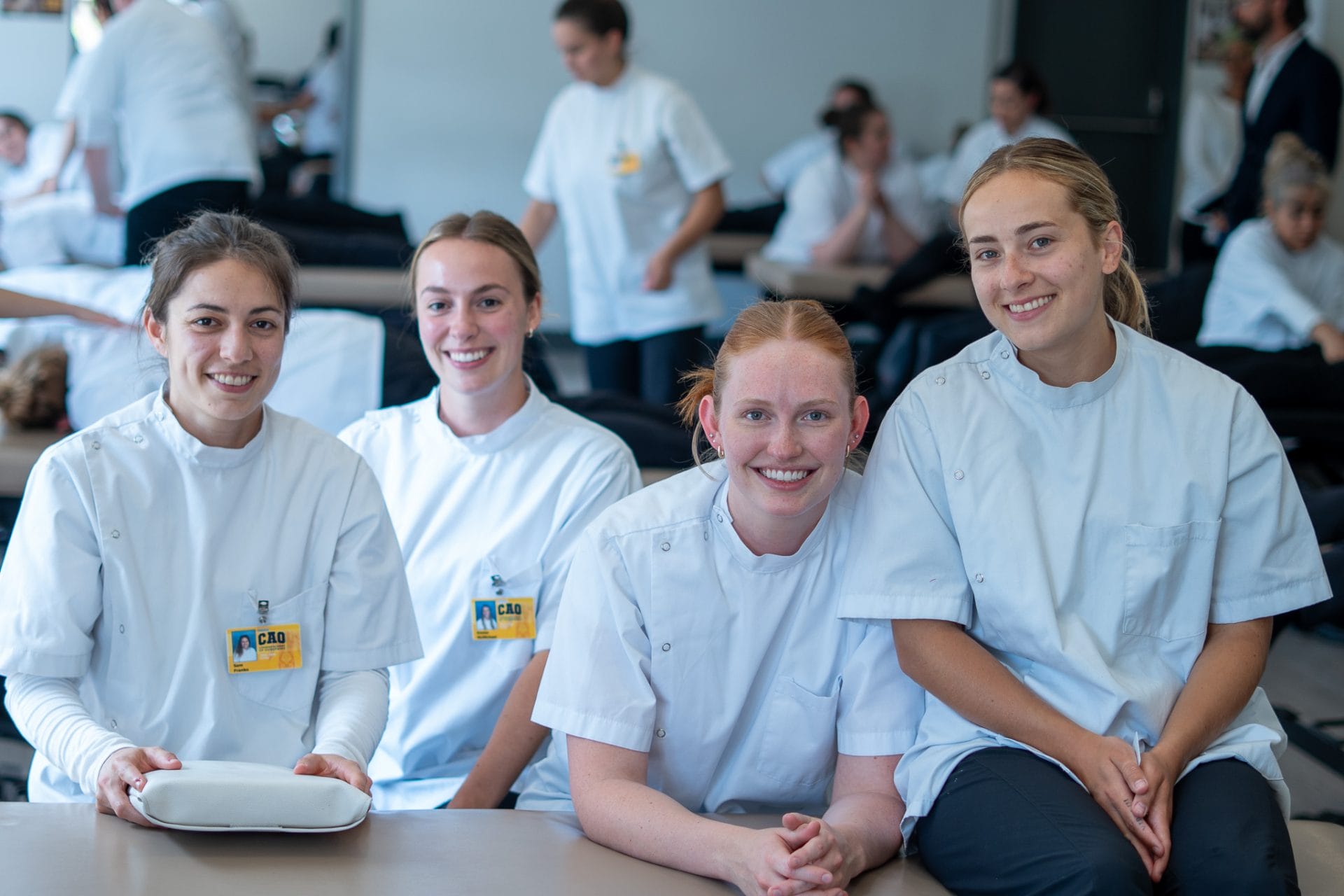
The Canadian Academy of Osteopathy (CAO) was founded on a belief that healthcare should focus on the person, not the protocol. From the beginning, the academy’s mission has been to preserve the original teachings of Dr. Andrew Taylor Still while preparing modern practitioners to meet today’s complex health challenges.
In its early years, CAO started small—just a few passionate educators and students dedicated to restoring whole-person care to its rightful place in healthcare. They focused on understanding anatomy, physiology, and the interconnection between structure and function. Every student was taught not just how to apply a technique, but why it worked.
Over time, CAO became a leading institution in principles-based osteopathic education. Its graduates entered clinics and communities with the confidence to treat patients as individuals, not textbook cases. “We want our practitioners to think critically and compassionately,” one faculty member shared. “That combination changes lives.”
Today, CAO’s influence reaches far beyond the classroom. By promoting education that values curiosity, adaptability, and patient-centred thinking, the academy continues to lead the conversation about what healthcare should be. Its approach reminds us that medicine is as much about understanding people as it is about understanding the body.
What is your typical day, and how do you make it productive?
Every day starts early. I review lesson plans, check in with faculty, and read through recent case reports from our teaching clinic. The rhythm of our day is structured but flexible—classes, clinics, student mentorship, and sometimes research meetings. Productivity, for us, comes from clarity. Everyone knows their purpose. Whether it’s teaching anatomy or guiding a student through their first patient case, we make sure every hour moves learning forward.
How do you bring ideas to life?
We test ideas in the classroom first. If something works, we bring it to clinic. For instance, when one instructor suggested integrating short reflective sessions after treatments, it helped students connect theory to outcomes. We rolled it out across the programme. We treat every innovation like an experiment—observe, refine, apply.
What’s one trend that excites you?
The rise of preventative healthcare. More patients are looking for long-term wellness instead of quick fixes. It validates our philosophy that treating structure and function together prevents dysfunction.
What is one habit that helps you be productive?
Listening. In education and healthcare, listening saves time. Whether it’s a patient describing symptoms or a student sharing confusion, listening deeply reveals what’s really going on.
What advice would you give your younger self?
Don’t rush. Early on, I thought speed meant success. In reality, precision and patience make better practitioners—and better teachers.
Tell us something you believe almost nobody agrees with you on?
That protocols can make practitioners lazy. They remove the need to think critically. While structure is helpful, blind repetition can limit insight.
What is the one thing you repeatedly do and recommend everyone else do?
Reflect after every session. Whether it’s teaching, treating, or learning, take five minutes to note what worked and what didn’t. Those notes become your best teacher.
When you feel overwhelmed or unfocused, what do you do?
I walk through the clinic. Watching students work with patients grounds me. It reminds me why we’re here—to help people feel better and think clearer.
What is one strategy that has helped you grow your business or advance in your career?
Empowering others. We train our faculty to lead their own initiatives. When people feel ownership, they innovate naturally. That’s how we developed our current mentorship model.
What is one failure in your career, how did you overcome it, and what lessons did you take away from it?
Early on, we tried to expand too fast. We opened more clinical slots than we could supervise. Quality slipped. We paused, regrouped, and learned that growth means nothing without consistency.
What is one business idea you’re willing to give away to our readers?
Create a “thinking lab” in every organisation. A small, dedicated space for people to share problems and brainstorm solutions weekly. It costs nothing and transforms communication.
What is one piece of software that helps you be productive? How do you use it?
Notion. We use it for tracking lesson plans, clinic notes, and student progress. It keeps everything transparent.
Do you have a favorite book or podcast you’ve gotten a ton of value from and why?
The Body Keeps the Score by Bessel van der Kolk. It bridges science and empathy perfectly—showing how physical structure and emotional experience intertwine.
What’s a movie or series you recently enjoyed and why?
Limitless. It’s exaggerated, sure, but the idea of unlocking deeper potential through learning resonates with our philosophy. Knowledge is transformative.
Key learnings
- Productive environments start with clarity of purpose and reflection.
- Preventative, whole-person care is shaping the future of healthcare.
- True innovation happens through testing, observation, and feedback.
- Growth without consistency leads to burnout and lost quality.
- Critical thinking—not rigid protocols—creates lasting impact.