
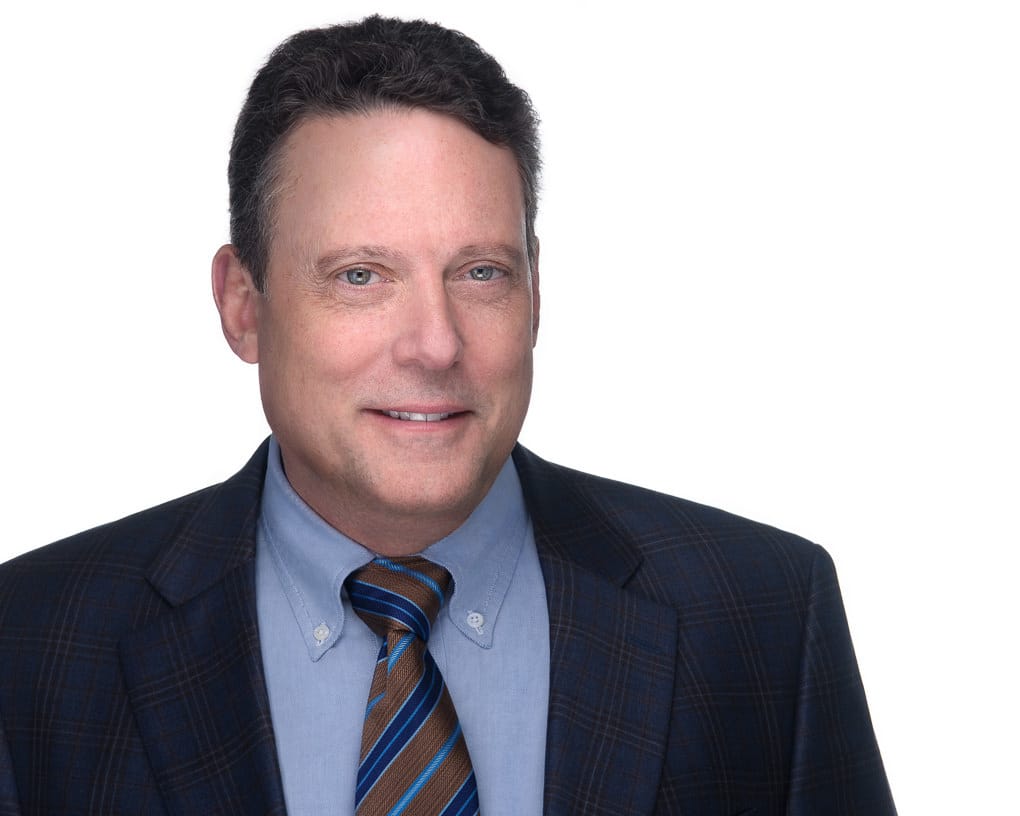
Charles V. Pollack, MD, is a veteran medical professional currently heading CGP Consulting, PC, in the greater Philadelphia area. Leveraging nearly 40 years of clinical and research experience, Charles V. Pollack, MD, works with several pharmaceutical and biotech companies, leading or assisting with drug development programs. His primary interests include thrombosis, antithrombotic therapy, and the management of atrial fibrillation. In addition to his consulting work.
Dr. Pollack is a clinician-scientist at the University of Mississippi Medical Center. He has been part of the institution’s faculty since 2019, and has served two terms as president of the University of Mississippi Medical Research Foundation. Dr. Pollack has won the highest research and teaching awards from the American College of Emergency Physicians, and is the first US emergency medicine physician to be named a fellow of the European Society of Cardiology.
A diplomate of the American Board of Emergency Medicine, Dr. Pollack is licensed to practice in multiple states. He was previously affiliated with Thomas Jefferson University Hospital, Pennsylvania Hospital, Arizona Heart Hospital, and Maricopa Medical Center. He has also worked with PhaseBio Pharmaceuticals, VERO Biotech, and Transition Patient Services.
Dr. Pollack has led or contributed to over 500 publications. He further serves on the editorial board of Journal of Emergency Medicine and Clinical Cardiology and is a reviewer for multiple peer-reviewed journals. He earned his MD from Tulane University, and completed his residency at the University of Mississippi.
What is your typical day, and how do you make it productive?
I start out in my home office between 4:30 and 5:00 AM and try to complete my communication with my European colleagues by the time the workday starts on the east coast. I spend about 70% of my work time in my home office and 30% on travel, which may be as close as NYC or Washington or as far away as Japan or South Africa.
How do you bring ideas to life?
I try to brainstorm off seeds of ideas that pop into my head during discussions of science or business ,or take seeds of ideas suggested by others (sometimes unintentionally) and “flesh them out” to a useful deliverable.
What’s one trend that excites you?
The power of AI both entrances and frightens me. We need to be sure we maintain control of content and direction, especially when dealing with the “art” of medicine that goes beyond the rigors and greater certainty of science.
What is one habit that helps you be productive?
I am most productive when I am working on three to four projects of roughly equal importance. This allows me to pause on one project while working on another, and then returning to the original (or another) when my mind is ready to address another subject.
What advice would you give your younger self?
Be more content with what you have been given and what you have. Strive to make the best out of those things instead of always seeking more.
Tell us something you believe almost nobody agrees with you on?
I believe that the widespread adoption of realistic virtual reality and brain-computer interfaces will lead to a significant portion of humanity choosing to live primarily in simulated realities within the next 50-100 years.
What is the one thing you repeatedly do and recommend everyone else do?
Don’t be afraid to put a task aside and work on another task for a while; when you return to the original you may find new insights have come to you without you even realizing it!
When you feel overwhelmed or unfocused, what do you do?
I find that the best ways to decompress are to watch an old sitcom (even if it’s an episode I’ve seen a dozen times) or take a nap. I actually find it very easy to fall asleep when I am stressed!
What is one strategy that has helped you grow your business or advance in your career?
The most effective strategy I have employed, ever since high school, is to identify a mentor who will not only vet and help me refine my ideas, but also through open conversation, spark new ideas for me to pursue and potentially develop.
What is one failure in your career, how did you overcome it, and what lessons did you take away from it?
When I have moved into new areas of responsibility and not had a mentor or advisor, I have struggled and sometimes made poor decisions. In today’s world, no one should try to go it alone.
What is one business idea you’re willing to give away to our readers?
I believe that rigorous scientific and clinical knowledge can be effectively conveyed across social media platforms—as long as the content remains engaging!
What is one piece of software that helps you be productive? How do you use it?
It’s actually free—Zotero. It is a very effective referencing and bibliographic tool. I know there are many other such tools out there and I’m sure they work for writers/researchers, but I see no need to learn a new system when Zotero and I get along just great!
Do you have a favorite book or podcast you’ve gotten a ton of value from and why?
My friend Richard Summers, MD, recently published a new book titled Science as Natural Philosophy and Finding Our Place in the Universe. I have always been fascinated by the intersection of and seeming conflicts between science and religion. His discussion of the topic was both erudite and highly readable.
What’s a movie or series you recently enjoyed and why?
I really enjoyed the most recent (short!) season of Shrinking. I think the writing and the acting are both outstanding and the story lines are very relatable.
Key learnings
- Trustworthy mentorship is key to success in one’s career and is a gift that should be passed forward.
- Multitasking is less effective than “serial tasking,” which fosters the capacity to think through one project, often subconsciously, while working on another.
- Novel delivery platforms can give old ideas new life.