
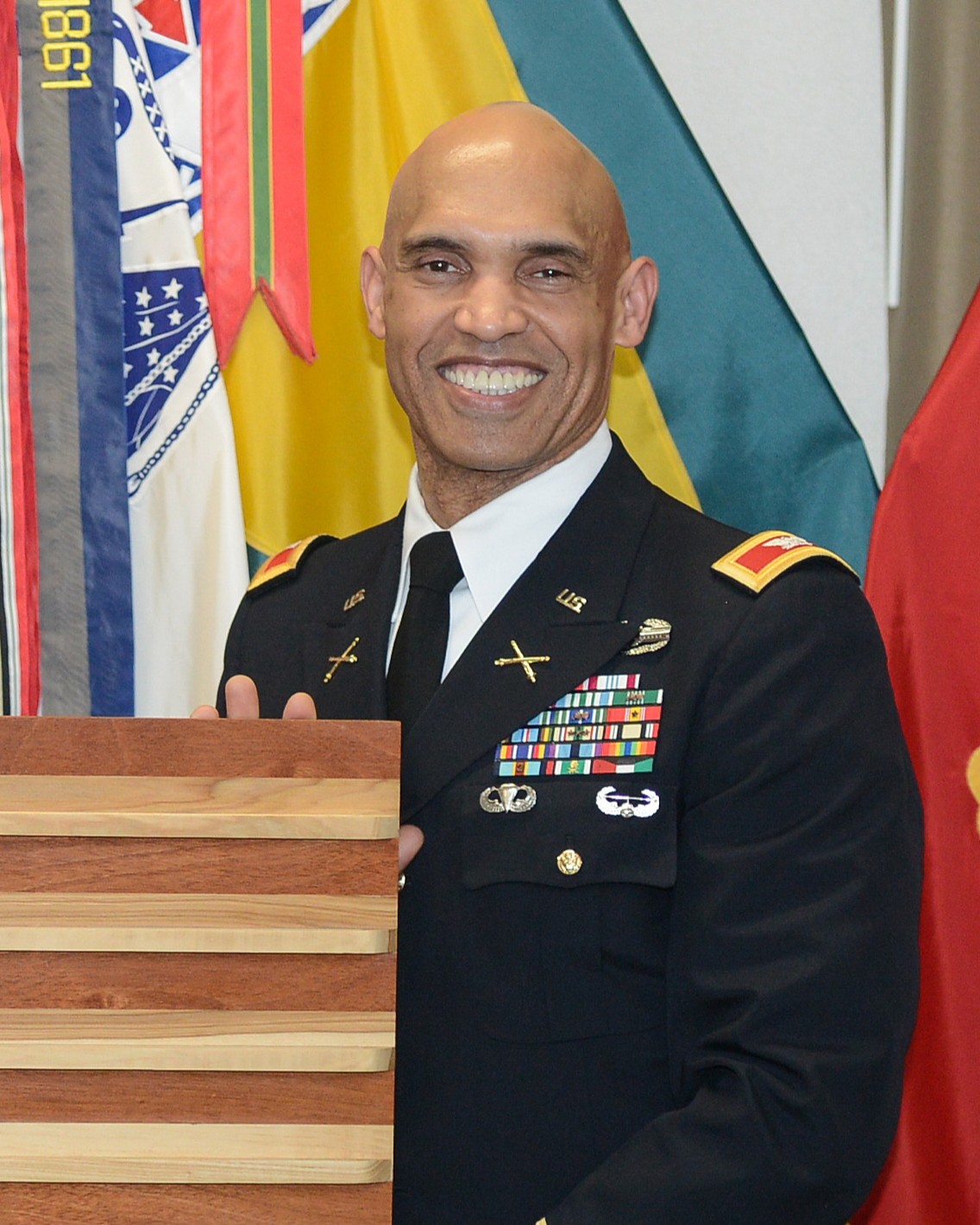
Based in Louisville, Kentucky, Col. Reese Turner (Ret.) spent 31 years in command and staff positions in the United States Army. A member of the Military Officers Association of America, he has commanded various battalions and regiments during military operations worldwide. Col. Reese Turner also served as the Chief of the Army Section for Office Security Cooperation-Iraq. He received several military honors, including two Bronze Stars, a Legion of Merit, the Order of St. Barbara and Ancient Order of St. Barbara, both of which are a prestigious honor recognizing exceptional service in the U.S. Army and Artillery, a Combat Action Badge, Parachutist Badge and Air Assault badge.
In 2020, Reese Turner joined F45 as a coach, teacher, and motivator. He expanded his activities in this capacity by joining Genesis Blairwood, one of the largest private health club chains in the US, as its fitness manager in 2024. Subsequently Reese was selected to be the Blairwood Club Manager, followed by a promotion to Genesis Louisville’s Regional Group Exercise Manager, where he oversees 40 instructors and 90 plus group exercises class at three different health clubs.
Reese Turner completed a strategic studies program at the United States Army War College in Carlisle, Pennsylvania, earning a master’s degree. He has also completed management and engineering management programs at the University of Phoenix and the United States Military Academy (West Point), respectively, as well as an executive leadership certificate program at Greensboro, North Carolina’s Center for Creative Leadership. In his free time, he enjoys volunteering at his local church and supporting charities such as Metro United Way and Special Olympics of Kentucky.
What is your typical day, and how do you make it productive?
A typical day begins early, with a structured routine that prioritizes movement, preparation, and purpose. My mornings often start with dedicating time to train two or three clients or friends, helping them work toward their fitness goals while setting the tone for the day through discipline and consistency.
Productivity stems from clear goals, thoughtful planning, and empowering others. Much of my day is spent coordinating with and supporting a team of more than 40 instructors who collectively lead over 95 classes each week across three gyms. Whether leading in the military or managing a large fitness operation, I focus on preparation, accountability, and adaptability—ensuring people have the tools, direction, and support they need to succeed.
How do you bring ideas to life?
Ideas begin with a clear vision for where I want the group fitness program to go—short term, midterm, and long term. I’m intentional about mapping out direction over three months, six months, and one year, ensuring alignment across all three clubs while staying adaptable to change.
From there, ideas come to life through collaboration, strategic planning, and execution. I actively engage instructors who bring years of individual and collective experience, tapping into their insights to refine ideas and create shared ownership. That collaboration builds buy-in, momentum, and trust, making it easier to translate vision into measurable action. Whether in military leadership or fitness management, success ultimately comes from turning ideas into clear steps and consistently following through.
What’s one trend that excites you?
What excites me most is helping people become their best selves. That passion—shared by the instructors I work alongside—is what drives everything we do. Seeing individuals show up consistently, grow in confidence, and improve their quality of life is incredibly motivating.
That’s why the integration of mental resilience into physical fitness programs is a trend I strongly believe in. Through the wide variety of programs we offer, members of all ages are not only improving their physical health but also strengthening their mental well-being—sometimes in ways that matter even more. This holistic approach mirrors the military’s emphasis on mental toughness and physical readiness, and it reinforces my belief that true fitness is about building both body and mind.
What is one habit that helps you be productive?
One habit that helps me stay productive is a daily discipline that flows through three connected parts. Together, they create structure, consistency, and continuous improvement throughout the day.
The habit begins with starting my day early, which gives me dedicated time to plan, organize priorities, and prepare before the day gains momentum. Throughout the day, that same discipline carries forward as I consistently look for ways to improve—an approach shaped by my military background—evaluating how we plan, prepare, and execute across our holistic group fitness program. At the end of each day, the habit concludes with reflection, reviewing what went well and identifying opportunities to improve, always with the goal of getting just 1% better the next day.
What advice would you give your younger self?
The advice I would give my younger self is to continue being proactive and taking initiative in all aspects of life. Trust the process, embrace discomfort, and don’t shy away from challenging assignments—growth often comes from the roles and moments that stretch you the most.
Along the way, don’t be too prideful to ask for help. Seek out mentors who have walked the path before you, learn from their experiences, and remain curious and humble. Continue to give 100% in every endeavor, while also challenging yourself to grow in new areas personally and professionally.
Most importantly, stay true to being a hardworking, dedicated, and compassionate leader, someone who serves with purpose and integrity. Always remember that leadership is not just about influence, but about example, and that you are a role model to many who are watching and learning from how you show up each day.
Tell us something you believe that almost nobody agrees with you on.
I believe most people believe that average and being comfortable is acceptable and okay, and the perceived maximum effort they exert in their minds is all they’re capable of. However, I truly believe that we’re all capable of achieving far more—physically, mentally, personally, and professionally—than we ever realize. Too often, people settle into comfort zones and avoid temporary discomfort, not understanding that growth lives on the other side of it.
Through sports, adversity, West Point, and my time in the military—often in environments where failure was not an option—I learned how to adapt, overcome, and push beyond perceived limits. That mindset shaped my career and my life. I’ve seen firsthand that when people are willing to embrace discomfort, the return on effort is extraordinary. Most simply never push themselves far enough to discover it.
What is the one thing you repeatedly do and recommend everyone else do?
The one thing I repeatedly do—and strongly recommend everyone do—is move their body every day. That can mean lifting weights, walking, yoga, Pilates, or any form of physical activity. I believe starting your day with movement is especially powerful. It gets your blood flowing, sharpens your focus, boosts confidence, and puts you in a positive, energized frame of mind before the day even begins.
Daily exercise improves not only physical health but mental clarity, self-confidence, and emotional resilience. It helps you show up better for others during the day and rest more soundly at night. In my experience, few habits deliver a greater return across every area of life.
When you feel overwhelmed or unfocused, what do you do?
When I feel overwhelmed or unfocused, I intentionally pause. I find a quiet space—whether that’s in the building or sitting in my car—and take a moment to slow things down and clear my mind. Creating that space allows me to regain perspective before reacting.
Once I’ve reset, I ask myself two questions: “What is the purpose of what I’m considering?” and “Who does this decision affect—personally or professionally?” From there, I focus on whether the course of action will improve the situation or positively impact a person or organization. That clarity helps me move forward with intention rather than emotion.
What is one strategy that has helped you grow your business or advance in your career?
The strategy that has helped me grow businesses and advance throughout my career is a disciplined, results-driven approach built on a few core principles. First, I start with a clear vision of the desired outcome, both personally and professionally. Having that vision allows me to set meaningful goals and stay focused on where I’m headed.
Second, I set and maintain a standard of excellence in everything I do—for myself and for those I serve. Third, I believe strongly in outworking the competition by starting early, staying consistent, and putting in the effort when others don’t.
Fourth, I focus relentlessly on attention to detail and teach that mindset to my teams, because details drive outcomes. Finally, I believe in finishing strong—execution matters, but follow-through is what turns good intentions into real, lasting results.
Together, these principles form the strategy that has allowed me to consistently outperform peers and lead successful teams across both military and civilian roles
What is one failure in your career, how did you overcome it, and what lessons did you take away from it?
One failure that stands out early in my career occurred when I was a commander in Hawaii in my late 20s, responsible for about 150 soldiers and over $100 million in equipment, with a mission to deploy globally to fight in combat on short notice. At the time, I was extremely task-oriented and believed excellence required things to be done a very specific way. As a result, work was often redone, standards felt like they were constantly shifting, and from my perspective, it was about driving performance—but from my team’s perspective, nothing was ever good enough.
One morning, five of my officers asked to speak with me. During a candid, two-and-a-half-hour conversation, they shared honest feedback: while they respected the high standards, the constant raising of the bar and lack of input was discouraging and exhausting. That moment was humbling—and transformative.
I overcame this by changing my leadership approach. I began clearly communicating the desired outcomes, inviting feedback from my subordinate leaders, and treating excellence as a collective effort rather than a one-way directive. While I still made the final decisions, I stopped moving the goalposts and focused on building buy-in. The result was stronger trust, greater ownership, and a team that worked harder because they felt heard and invested.
The lessons I took away were lasting:
• Always seek and value feedback from your team.
• Set clear standards and stick to them.
• Trust your leaders and allow room for initiative and creativity.
• And finally, don’t take yourself too seriously—humility strengthens leadership.
That experience reshaped how I lead and has influenced every role I’ve held since.
What is one business idea you’re willing to give away to our readers?
A mobile fitness unit designed for veterans—combining physical training, mental health support, and community engagement. It could travel to underserved areas and offer holistic wellness programs tailored to military backgrounds.
What is one piece of software that helps you be productive? How do you use it?
The most impactful tool I use to stay productive is ChatGPT. I initially began using the basic version a couple of years ago for simple questions, but as I learned more about its capabilities, I upgraded—and it’s been a game changer. I use it daily, and it easily saves me an hour or more each day.
I leverage it both personally and professionally: developing training programs, researching supplements, planning events, drafting communications, analyzing data, and responding to surveys. I can input ideas, ask for multiple options, run calculations, and refine messaging quickly. Over time, it has learned my writing style, tone, and terminology, which makes the output even more efficient and aligned.
It’s become an invaluable tool that enhances decision-making, creativity, and execution across every aspect of my work.
What is the best $100 you recently spent? What and why?
The best $100 I recently spent was hosting a yoga, Pilates, and Barre instructor symposium for all of my instructors at one of our fitness clubs. It was the first time these instructors had ever been in the same room together, and the first time they truly met one another.
My goal was to build connection, create alignment, and give them space to share ideas on how we can continue to grow our yoga, Barre, and Pilates community. I used the funds for snacks and small Valentine’s gifts to symbolize appreciation, care, and the compassion they bring to our members every day.
It was a small investment with a big return—strengthening relationships, boosting morale, and helping lay the foundation for future growth.
Do you have a favorite book or podcast you’ve gotten a ton of value from and why?
Rather than a single book, the author who has provided me the most value over my career is John Maxwell. Early in my military career, I picked up “Leadership 101” while traveling and was immediately hooked. Over the years, I’ve read more than 25 of his books, and each one met me at a different stage of leadership—from leading small teams to commanding hundreds of soldiers.
What sets his work apart is its relevance at every level. His principles grew with me as my responsibilities grew. One defining moment was when I purchased Maxwell books for my officers at Fort Bragg and arranged for us to attend one of his speaking engagements, where he personally met with us and signed our books.
His teachings have been invaluable in shaping how I lead, develop others, and continue to grow—and I believe his books offer timeless value to any leader committed to improvement at every level.
What’s a movie or series you recently enjoyed and why?
A movie that has had a lasting impact on me is “Gladiator.” One reason it resonates so strongly is how Maximus leads from the front whenever his army goes into battle. As a general, he earned the respect of his soldiers by riding into battle with them and fighting alongside them. That example of leadership—leading by example and never asking others to do what you wouldn’t do yourself—are principles I’ve carried throughout my career.
Another powerful aspect of the film is his journey after losing his title and starting over as a gladiator. Even stripped of rank, he rises as a leader through grit, discipline, and work ethic. That mirrors moments in my own career when changing roles or assignments required earning trust all over again in different organizations, with a different group of soldiers from all walks of life.
Finally, Maximus gains the respect of his peers, leaders, and the crowd because he consistently puts others before himself. His leadership isn’t based on position, but on character—and that’s why “Gladiator” continues to resonate with me both personally and professionally.
Key learnings
- Leading by example fosters trust, inspires teamwork, and builds strong unity and cohesion within any organization.
- Daily movement and challenge reinforces the truth that physical and mental resilience go hand-in-hand in both military and civilian life.
- Discipline, consistency, and evolving systems are the foundation of effective leadership and sustained productivity.
- People are our most important asset—invest in them, and they will drive long-term organizational success.
- Humility, cultural awareness, and self-awareness are essential traits for leaders at every level.