
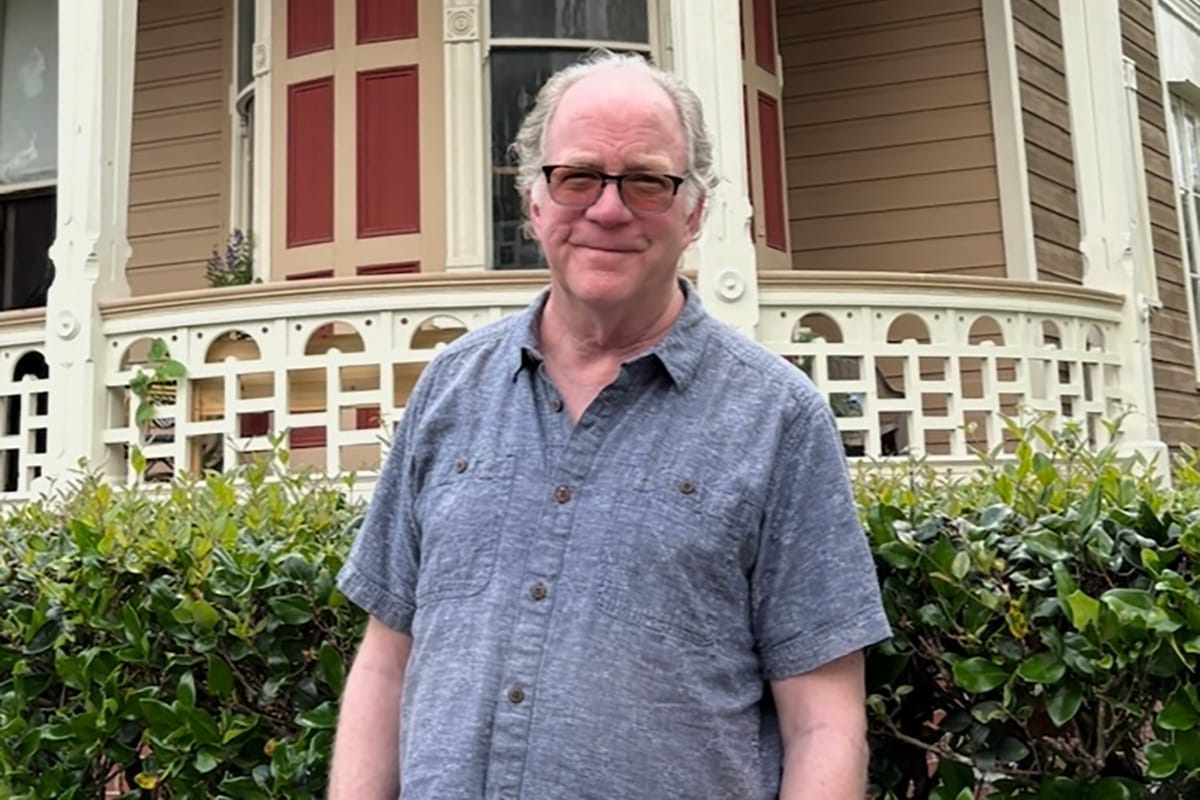
Cornelius “Lee” Alig is a lifelong Indianapolis resident and a sixth-generation Hoosier whose career in architecture, real estate development, and civic leadership has helped shape the physical and cultural landscape of his hometown. With decades of experience in urban planning, commercial development, and historic preservation, Lee has been a prominent figure in the revitalization of downtown Indianapolis and neighboring communities.
A licensed architect in the state of Indiana since 1981, Lee began his career path by co-founding HDG (now Ratio) Architects, Inc., a multidisciplinary architecture and planning firm with a strong urban focus. He later co-founded and served as CEO of Mansur Real Estate Services, Inc. from 1982 to 2013, leading a full-service real estate development company that successfully delivered commercial, hospitality, multifamily, and office projects across Indiana and the Midwest.
Lee is known for his strategic approach to development, blending design thinking with a practical understanding of zoning, site planning, and architectural integration. His work reflects a deep respect for the built environment and its role in shaping civic life. Appointed by Mayor Bart Peterson, he served as Vice Chairman of the Regional 2020 Plan, helping guide long-term urban strategy. He also chaired the Governor’s Residence Commission under two administrations, ensuring the preservation and thoughtful enhancement of this historic property.
Over the years, Lee has served on more than 15 nonprofit boards and continues to contribute to the community through volunteerism and advocacy. He is an active board member of the Design Arts Collaborative, formerly affiliated with the Indianapolis Museum of Art, promoting public engagement with design through exhibitions, lectures, and landmark tours.
Lee also hosts and produces Design Minded Indiana, a radio show and podcast recorded at WQRT 99.1 FM LP in Indianapolis. The program features conversations with local designers and creatives and has aired over 50 episodes, contributing to the broader dialogue around design’s role in community development.
His philanthropic work further demonstrates a lifelong commitment to service. Lee volunteers with Keep Indianapolis Beautiful, Inc., where he engages in citywide clean-ups, green space development, and tree planting initiatives—contributing to the planting of more than 3,000 trees per year in and around Indianapolis.
What is your typical day, and how do you make it productive?
Each day usually starts with a walk—both for health and observation. Lee Alig enjoys seeing how the city evolves in small ways, from construction progress to how people interact with public spaces. He spends his mornings reviewing design proposals, nonprofit board updates, or preparing for podcast recordings. In the afternoon, he may be found in a community meeting, recording an episode of Design Minded Indiana, or helping plan tree-planting projects with Keep Indianapolis Beautiful. Productivity comes from structure, but also allowing space for spontaneous conversation, which often leads to the next project or insight.
How do you bring ideas to life?
Lee begins by mapping ideas visually—sketches, site notes, or diagrams. “I trust a pencil more than a presentation at first,” he often says. He pairs that with zoning research, community input, and a sense of historical context. An example: in his Mansur Real Estate days, projects would often begin with not just a site study, but a walkthrough of surrounding streets and buildings. He looks for what a space wants to be before forcing a programme into it.
What’s one trend that excites you?
He’s most excited by public design engagement—tactical urbanism, open-source architecture libraries, and youth design education. “Design shouldn’t only live in firms and studios. It should live in neighbourhoods,” he says. Indianapolis’ increasing grassroots input in city design, from mural planning to park redesigns, is something he’s championed for years.
What is one habit that helps you be productive?
He carries a small field notebook at all times. It’s used for thoughts, building materials he finds interesting, street addresses to revisit, or podcast guest notes. “If I write it down, it becomes real,” he says.
What advice would you give your younger self?
“Listen more in meetings. Especially when you think you already know the answer.” Lee admits that in his early architecture career, he often jumped to solutions too fast. Over time, he learned that the right answer might come from an unexpected voice—especially in public projects.
Tell us something you believe almost nobody agrees with you on?
“Symmetry is overrated in civic architecture.” Lee believes that spaces should reflect use and history, not just aesthetics. Some of the most dynamic public buildings, he argues, are asymmetrical, adaptive, and even a bit chaotic.
What is the one thing you repeatedly do and recommend everyone else do?
Walk your city—slowly, intentionally, and often. Not for fitness, but for awareness. He believes good design starts with observation. “You’ll notice which benches are never used. Which alleys could be galleries. Which intersections confuse people. That’s free research.”
When you feel overwhelmed or unfocused, what do you do?
He turns to hands-on work. It could be sketching, sorting podcast episode transcripts, or planting trees. Physical action clears mental clutter. “Sometimes the body needs to move so the brain can rest.”
What is one strategy that has helped you grow your business or advance in your career?
Partnerships. In both Ratio Architects and Mansur Real Estate, success came from working with people who had different strengths. He would pair architects with financial minds, or historians with site engineers. The result was always richer.
What is one failure in your career, how did you overcome it, and what lessons did you take away from it?
A mixed-use development early in his career stalled for years due to misreading neighbourhood pushback. Lee initially viewed it as a zoning issue, but it was really a trust issue. He now insists on early and honest community meetings. “If people feel left out at the start, the project suffers at the end.”
What is one business idea you’re willing to give away to our readers?
Create a mobile archive of disappearing building materials. A truck or van that collects ornate facades, doorframes, or bricks from demolitions and redistributes them to schools or community art projects. “Preserve the soul of a city one fragment at a time.”
What is one piece of software that helps you be productive? How do you use it?
Notion. He uses it to track podcast topics, civic project deadlines, board agendas, and design notes. The mix of flexible databases and clean design mirrors his work style.
Do you have a favorite book or podcast you’ve gotten a ton of value from and why?
He revisits The Death and Life of Great American Cities by Jane Jacobs often. It reminds him that data alone doesn’t make a city work—people do. As for podcasts, he listens to 99% Invisible for its celebration of overlooked design decisions.
What’s a movie or series you recently enjoyed and why?
Lee enjoyed My Architect, the documentary about Louis Kahn. It’s a personal story, but also a powerful look at how buildings carry memory, legacy, and contradiction.
Key learnings
- Walking your neighbourhood regularly offers free insight into urban needs and community habits.
- Listening early in a project prevents resistance and builds public trust.
- Partnerships with people from different disciplines lead to better, more sustainable outcomes.
- Sketching and note-taking by hand remain valuable tools for reflection and clarity.
- Community-based design efforts are reshaping cities in creative and inclusive ways.