
Craig Plescia has spent much of his career working in an industry where mistakes can be expensive, deadlines rarely stand still, and no two projects unfold exactly as planned. As the founder and CEO of Plescia Construction & Development, he’s spent more than 20 years navigating the challenges of commercial construction while building a business of his own.
Based in Morristown, New Jersey, Plescia graduated from the University of Rhode Island in 2004 and has continued his business education through Harvard Business School. His career has taken him through the many sides of commercial construction, from managing project details to developing client relationships and overseeing company operations.
Building his own company came with challenges that weren’t always visible from the outside. In its early stages, inconsistent opportunities and limited brand recognition made growth difficult. Plescia found himself balancing business development with the daily demands of running projects. Rather than continuing to manage everything himself, he invested in marketing, hired dedicated business development support, and introduced more structured operating processes.
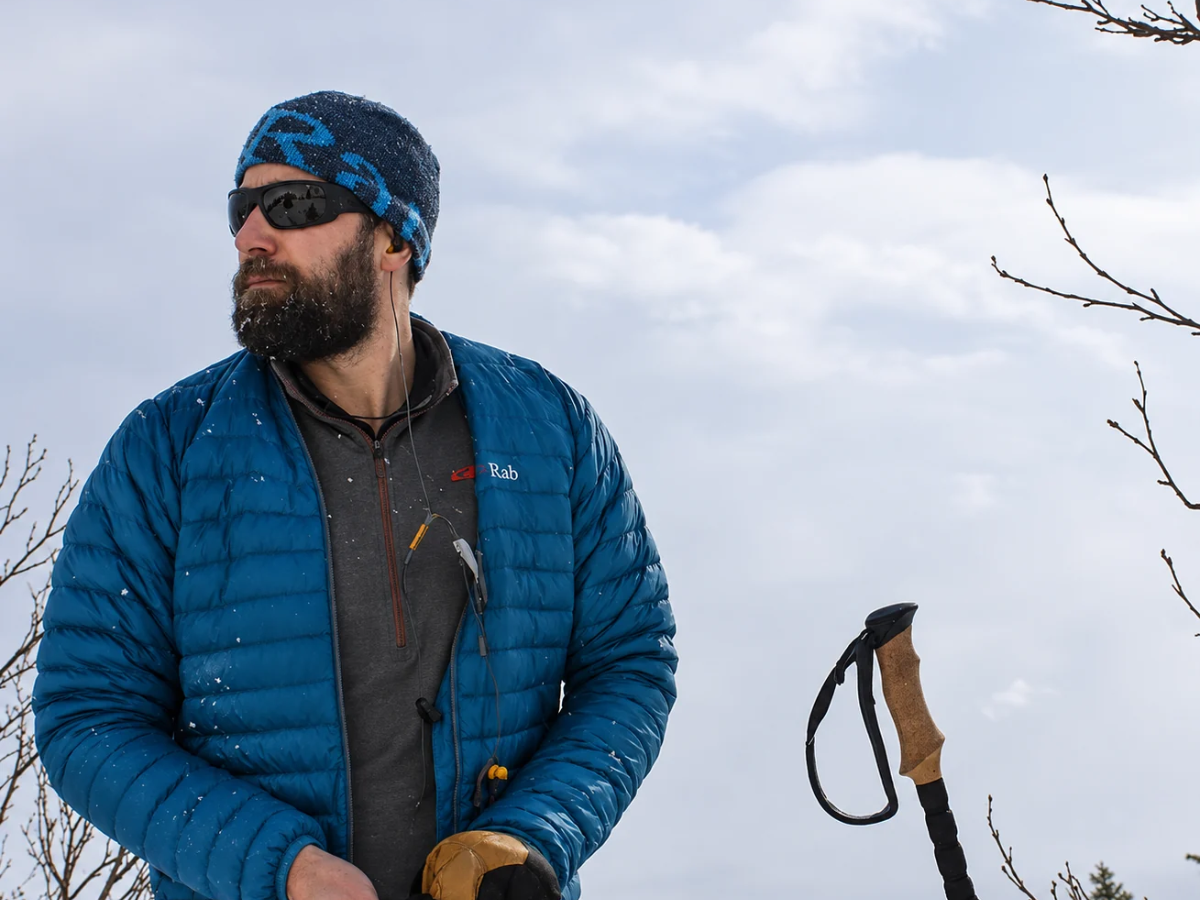
His appetite for challenges extends well beyond construction. Plescia is a pilot, mountaineer, rock climber, and skydiver. He has also played rugby and volunteers his time coaching young athletes. These interests have given him experiences outside the office that involve preparation, physical challenges, and working with others.
Today, Plescia continues to lead his construction business while making time for family, adventure, and personal development. His career offers an interesting look at the decisions, challenges, and unexpected lessons that come with building something over time.
What is your typical day, and how do you make it productive?
I try to organize my day around decisions rather than just meetings. In commercial construction, there are always questions about schedules, subcontractors, budgets, and client expectations. I start by identifying which decisions need my attention and which ones the team can handle. I also protect time for business development because it’s easy to neglect future opportunities when current projects get busy.
How do you bring ideas to life?
I like to test ideas on a small scale before committing significant resources. If we’re considering a new process, I’ll look at one project or department where we can try it. Then I want feedback from the people actually using it. A process that looks efficient on paper isn’t necessarily practical on a construction site.
What’s one trend that excites you?
I’m interested in adaptive reuse, especially finding practical ways to give existing commercial buildings new purposes. These projects can involve unusual structural conditions, outdated systems, and restrictions that don’t exist in new construction. That complexity makes them interesting. There’s also something satisfying about making an existing space useful again rather than automatically starting over.
What is one habit that helps you be productive?
I try to get out of the office and see projects firsthand whenever possible. Drawings, progress reports, and photographs are useful, but there’s a lot you pick up by physically walking through a building. You notice how people are working around one another, where materials are being stored, and whether the site is operating as efficiently as it should. Those observations can change how I approach the rest of my day.
What advice would you give your younger self?
Spend more time understanding how other people make money in your industry. When I was younger, I was focused on learning construction and becoming good at the work itself. That’s important, but understanding the financial pressures facing developers, property owners, subcontractors, and suppliers gives you a much broader perspective. The earlier you understand what drives everyone else’s decisions, the better you’ll become at making your own.
Tell us something you believe almost nobody agrees with you on?
Spend more time understanding how other people make money in your industry. When I was younger, I was focused on learning construction and becoming good at the work itself. That’s important, but understanding the financial pressures facing developers, property owners, subcontractors, and suppliers gives you a much broader perspective. The earlier you understand what drives everyone else’s decisions, the better you’ll become at making your own.
What is the one thing you repeatedly do and recommend everyone else do?
Put yourself in situations where you’re the least experienced person in the room. I’ve learned a lot by being around people who have handled larger projects, built bigger businesses, or mastered skills I haven’t. It’s one of the reasons I value continuing my education. You get exposed to different ways of thinking, and sometimes a conversation outside your usual industry can challenge an assumption you’ve held for years.
When you feel overwhelmed or unfocused, what do you do?
I change my environment. If I’ve been dealing with emails, calls, and problems all morning, staying in the same chair doesn’t always help. Getting outside or doing something physical gives me a different perspective. I’ve always enjoyed activities like climbing and rugby because they demand your full attention. You can’t spend the entire time thinking about tomorrow’s meeting. That mental separation is valuable.
What is one strategy that has helped you grow your business or advance in your career?
Building a dedicated business development function made a major difference. Early on, I was dividing my attention between finding opportunities and managing active work. That created an inconsistent pipeline. Investing in marketing, industry relationships, and someone focused on business development gave us a more reliable process for generating opportunities.
What is one failure in your career, how did you overcome it, and what lessons did you take away from it?
Earlier in my career, I underestimated how much a poorly defined project could affect the business. We accepted work without fully accounting for its scope, which hurt our margins. The experience changed how I evaluate opportunities. I became much more interested in what isn’t included in a proposal, what assumptions people are making, and what happens when conditions change. Those questions became an important part of our process.
What is one business idea you’re willing to give away to our readers?
I’d like to see a simple digital handover platform for commercial tenants moving into newly completed spaces. It could organize equipment information, maintenance contacts, warranties, and operating instructions in one accessible place. Too much useful information gets buried in folders after a project ends. A straightforward system could make the transition easier.
What is one piece of software that helps you be productive? How do you use it?
Google Earth is surprisingly useful. When you’re evaluating a potential commercial project, you can learn quite a bit about a location before visiting it. I like being able to look at surrounding properties, road access, neighboring businesses, and the general layout of an area. It doesn’t replace a site visit, but it helps me arrive with better questions and a clearer understanding of the property.
Do you have a favorite book or podcast you’ve gotten a ton of value from and why?
I like The Checklist Manifesto by Atul Gawande. It’s interesting because it examines how experienced professionals can still overlook important details in complicated environments. Construction has similar challenges. You can have talented people working on a project, but small communication failures can still create major problems.
What’s a movie or series you recently enjoyed and why?
I’ve enjoyed Drive to Survive, the Formula 1 documentary series. People tend to focus on the drivers, but I’m interested in everything happening behind the scenes. The engineers, mechanics, strategists, and team managers all contribute to the outcome. It’s interesting to watch how different personalities operate under pressure and how much preparation goes into something the public only sees for a few hours.
Key learnings
- Understanding the financial pressures facing clients, suppliers, and business partners can lead to better decisions and stronger working relationships.
- Spending time on active project sites offers insights that drawings and reports alone may not capture.
- Building a dedicated business development process can reduce the uncertainty that comes with inconsistent opportunities.
- Learning from people outside your usual professional circle can reveal new approaches to familiar challenges.
- Simple improvements in project handovers can make commercial properties easier to operate long after construction ends.