
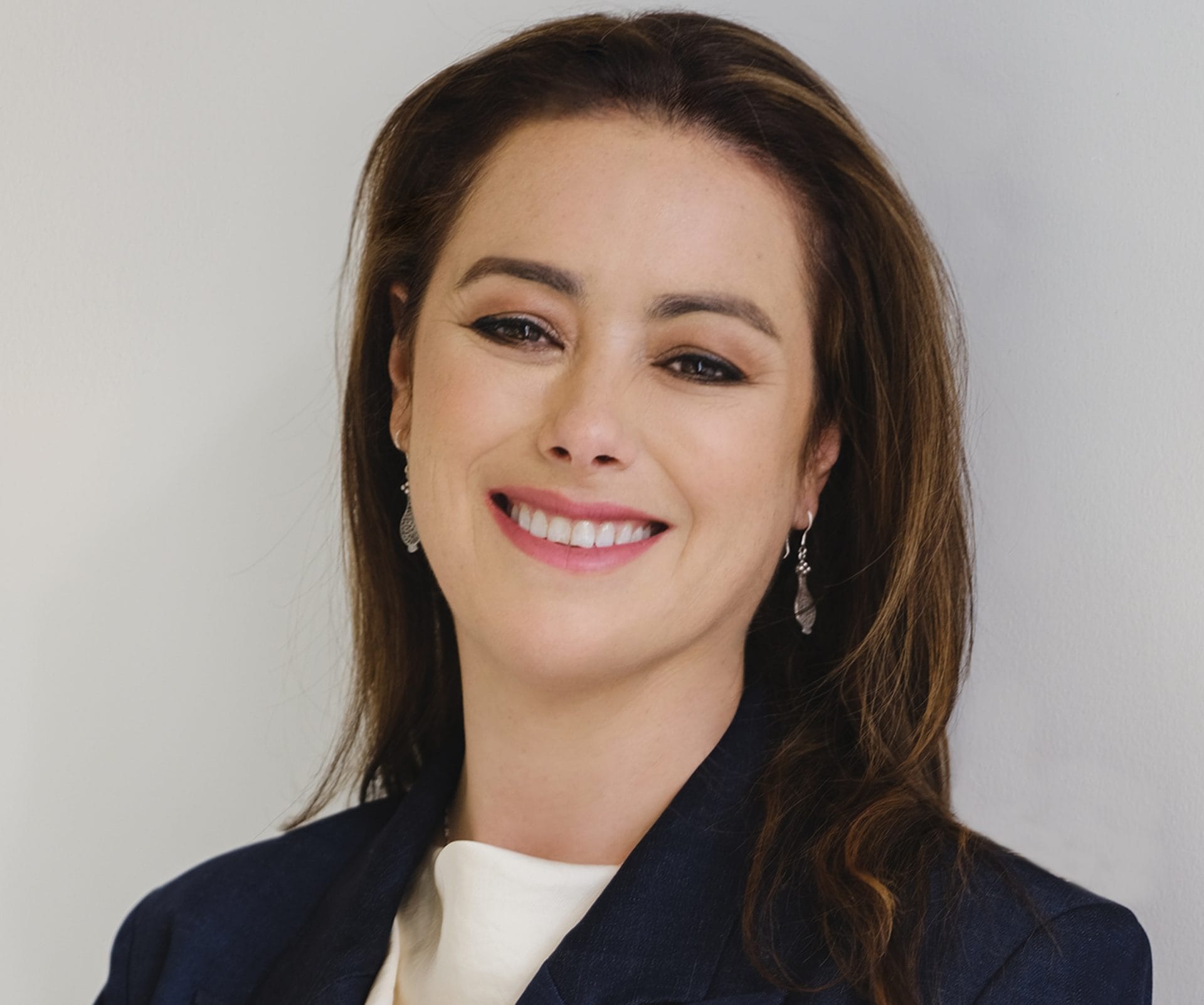
Dale Nirvani Pfeifer is the CEO of Giving Compass, a hybrid nonprofit and for-profit organization transforming how donors discover and support high-impact, community-led nonprofits. A global thought leader at the intersection of AI, philanthropy, and social impact, Dale is the author of AI Fundraising for Nonprofits and a frequent speaker at events such as TEDx, the United Nations, SXSW, and Money 20/20.
Under her leadership, Giving Compass has become a pioneer in AI-enabled donor education and nonprofit data infrastructure, working with organizations such as Fidelity Charitable, Schwab Charitable, and Charity Navigator to advance equitable giving.
Originally from New Zealand, Dale previously served as the Director of the Center for the Study of Leadership at Victoria University, where her research focused on indigenous and Māori leadership models. She is also the founder and former CEO of Goodworld, a fintech startup that helped people give and fundraise directly through social media.
What is your typical day, and how do you make it productive?
My days blend strategic focus with creative problem-solving. I start early, reviewing our priorities at Giving Compass and identifying the two or three decisions that will move the organization forward that day. I schedule deep work blocks for strategic writing or product design and reserve the afternoons for team collaboration and external meetings. Productivity for me isn’t about doing more—it’s about ensuring what I do aligns with our mission and long-term vision.
How do you bring ideas to life?
I move ideas into motion quickly through prototyping and collaboration. I start with a sketch or short memo, share it with trusted colleagues for feedback, and iterate based on real-world input. This approach helps me test assumptions early and maintain momentum. I believe ideas only become real through shared ownership and disciplined execution.
What’s one trend that excites you?
The rise of agentic AI—autonomous systems that can gather, analyze, and act on information—is transforming philanthropy. It has the potential to democratize data access, giving grassroots nonprofits visibility once reserved for the well-resourced. When applied responsibly, this shift could rebalance power in philanthropy and drive more equitable social change.
What is one habit that helps you be productive?
I schedule daily “clarity sessions”—15 minutes to step away from screens, breathe, and visualize the outcomes I’m working toward. That mental reset keeps me focused on what truly matters.
What advice would you give your younger self?
Don’t rush. The right opportunities align when you’re clear about your values and your purpose. Trust your instincts, even when the path feels uncertain.
Tell us something you believe almost nobody agrees with you.
I believe AI can make us more human—not less. If designed thoughtfully, AI can remove administrative burdens and bias, freeing humans to focus on empathy, creativity, and connection.
What is the one thing you repeatedly do and recommend everyone else do?
Pause before responding. In leadership, silence is often more powerful than words. It creates space for insight and deeper understanding.
When you feel overwhelmed or unfocused, what do you do?
I go outside. A short walk in nature resets my nervous system and perspective. Often, clarity arrives the moment I stop forcing it.
What is one strategy that has helped you grow your business or advance in your career?
I’ve learned to build in public by sharing prototypes, insights, and learning openly. Transparency attracts collaborators, accelerates trust, and brings better ideas into the room.
What is one failure in your career, how did you overcome it, and what lessons did you take away from it?
Early in my career, I grew too fast with my first company, Goodworld, without building the operational depth to sustain it. The lesson was simple: vision must grow in tandem with structure. I now scale ideas deliberately—anchored in values, systems, and people.
What is one business idea you’re willing to give away to our readers?
A platform that helps small nonprofits train lightweight AI assistants to manage donor communications, automate grant reporting, and share impact stories—without requiring technical expertise. It’s time to bring automation to the grassroots.
What is one piece of software that helps you be productive? How do you use it?
Confluence. It’s my digital brain. I use it to manage strategy docs, product roadmaps, and writing projects all in one place. It allows me to toggle between high-level vision and day-to-day execution seamlessly.
What is the best $100 you recently spent?
A year of Headspace. It’s a small investment that pays daily dividends in clarity, energy, and focus.
Do you have a favorite book or podcast from which you’ve received much value?
Book: The Infinite Game by Simon Sinek. It reframed how I think about leadership—less about winning and more about enduring purpose.
Podcast: Pivot with Kara Swisher and Scott Galloway. I value their sharp, often irreverent insights on tech and leadership.
What’s a movie or series you recently enjoyed and why?
Lessons in Chemistry. I loved its blend of intellect, resilience, and heart. It captures how women challenge systems not by conforming, but by creating new ones.
Key learnings:
- Productivity stems from clarity, not volume.
- Build ideas through collaboration and iteration.
- AI can enhance, not replace, our humanity.
- Failure is the best teacher when aligned with purpose.
- Stillness and reflection are strategic, not indulgent.