
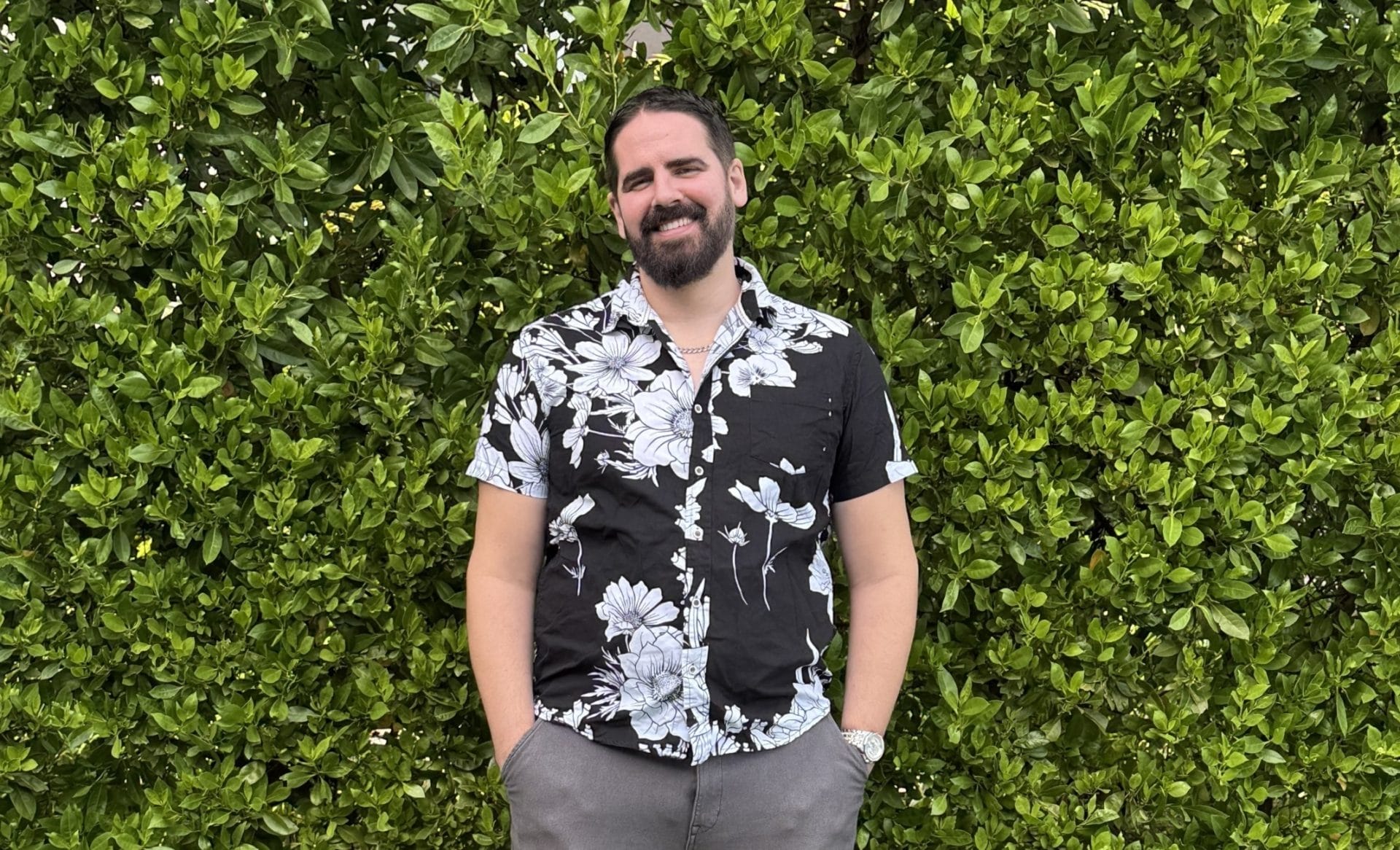
Dalin Owen is an accomplished entrepreneur and seasoned executive based in Miami, Florida. As the founder and owner of a successful IT consultancy firm established in 2006, he leads operations and strategic initiatives, specializing in IT security, administration, and programming. His firm helps corporate clients implement comprehensive IT security solutions tailored to their needs.
Before launching his consultancy, Dalin spent six years at Zenon Corporation, advancing from a junior programmer to chief technical officer. He later served as CTO for SherpaOnline, Inc. and Express Communications Group, where he honed his expertise in database management, FreeBSD and Linux server administration, server infrastructure development, and programming in PHP3, C, and Perl. These roles also provided him with valuable leadership experience and skills in team management.
Beyond his professional career, Dalin is an active philanthropist, frequently donating to the Red Cross. He has a keen interest in law and enjoys reading, programming, and scuba diving in his free time.
What is your typical day, and how do you make it productive?
My day starts around 7:30 AM with a cup of coffee and a quick check of emails. I look for any urgent issues, like system outages or security alerts. By mid-morning, I’m usually in meetings—either discussing strategy with clients or troubleshooting technical problems. After lunch, I dive into hands-on tasks like configuring networks, running security scans, or optimizing systems. I spend a good chunk of time researching new tech and best practices, especially around cybersecurity. Late afternoon is for wrapping up, checking backups, and documenting my work. Before logging off around 6:00 PM, I make sure everything’s running smoothly and prepare for the next day’s tasks. It’s a fast-paced job, but I enjoy the problem-solving and constant learning.
How do you bring ideas to life?
When bringing my ideas to life in IT cybersecurity, I start by understanding the problem and researching the latest solutions. I then design a tailored plan, ensuring it integrates smoothly with existing systems. Implementation follows, with careful testing at every step to address threats without disrupting operations. Collaboration with my team and clients is key, allowing for quick adjustments. Ultimately, it’s about combining strategy and technical expertise to create secure, effective solutions.
What’s one trend that excites you?
AI in IT cybersecurity is transforming defense strategies. By analyzing vast amounts of data in real-time, AI helps detect threats faster and more accurately. Machine learning algorithms can predict vulnerabilities and respond autonomously to attacks, often before they escalate. It’s an exciting time as AI makes cybersecurity smarter, faster, and more proactive.
What is one habit that helps you be productive?
One habit that keeps me productive is starting my day with a clear to-do list. I break down my tasks into manageable chunks and prioritize them, focusing on the most important ones first. This helps me stay organized and focused throughout the day, reducing distractions and ensuring I’m always working on what matters most. It gives me a sense of direction and accomplishment as I check things off, keeping my momentum going
What advice would you give your younger self?
I would tell my younger self to embrace failure as a part of growth. I used to be afraid of making mistakes, but over time I realized that setbacks are often the best learning opportunities. Each failure taught me something valuable and helped me become more resilient. I wish I had known earlier that it’s not about avoiding mistakes, but about learning from them and using them to improve.
What is the one thing you repeatedly do and recommend everyone else do?
The one thing I repeatedly do and recommend to others for success in IT security is to never stop learning. The field is constantly evolving, with new threats, tools, and techniques emerging all the time. Staying updated on the latest trends, attending webinars, reading articles, and experimenting with new technologies helps me stay ahead of the curve. Cybersecurity isn’t static, and continuous learning is key to not just keeping systems secure but also staying relevant in the industry. I encourage everyone to adopt this mindset; it’s one of the best ways to build long-term success in IT security.
When you feel overwhelmed or unfocused, what do you do?
When I feel overwhelmed or unfocused, I break tasks into smaller, manageable steps and focus on one thing at a time. I eliminate distractions, take short breaks if needed, and sometimes step away for a quick reset. By staying present and taking small steps, I regain clarity and momentum without feeling buried.
What is one strategy that has helped you grow your business or advance in your career?
One strategy that’s helped me grow my business and advance in my career is building strong, genuine relationships. By truly listening to clients and offering tailored solutions, I’ve earned trust and built long-term partnerships. Networking with peers has also opened new opportunities and collaborations. Prioritizing relationships has been key to my success.
What is one failure in your career, how did you overcome it, and what lessons did you take away from it?
One failure in my career was early on when I underestimated the importance of thorough communication with a client. I was so focused on the technical details of a project that I missed some key expectations, which led to frustration on both sides. To overcome it, I took responsibility, listened to the client’s concerns, and worked with them to adjust the project scope and deliverables. The experience taught me the value of clear communication and setting expectations up front. I learned that technology is just one part of the equation—building strong, transparent relationships with clients is just as crucial to success.
Do you have a favorite book or podcast you’ve gotten a ton of value from and why?
One of my favorite books is The Phoenix Project by Gene Kim, Kevin Behr, and George Spafford. It’s a fictional story about IT operations and DevOps, but it’s packed with valuable lessons on improving workflows, handling crises, and fostering collaboration within teams. It helped me rethink how to approach IT challenges and highlighted the importance of a holistic, team-based approach to problem-solving. As for podcasts, I really enjoy Darknet Diaries. It dives into real-world cybersecurity stories, from hackers to high-profile breaches, and gives a fascinating, behind-the-scenes look at the world of cybercrime. It’s both entertaining and educational, and I always pick up new insights for my own work in IT security.
What’s a movie or series you recently enjoyed and why?
I recently enjoyed Black Mirror, specifically the episode “Nosedive.” It’s a dark, thought-provoking look at how social media and technology can shape human behavior and societal pressures. As someone who works in tech, I found it both eerie and fascinating how it explored the potential consequences of our increasing reliance on digital validation. The storytelling is brilliant, and it made me reflect on the ethical implications of technology, something that’s especially relevant in the cybersecurity space.