
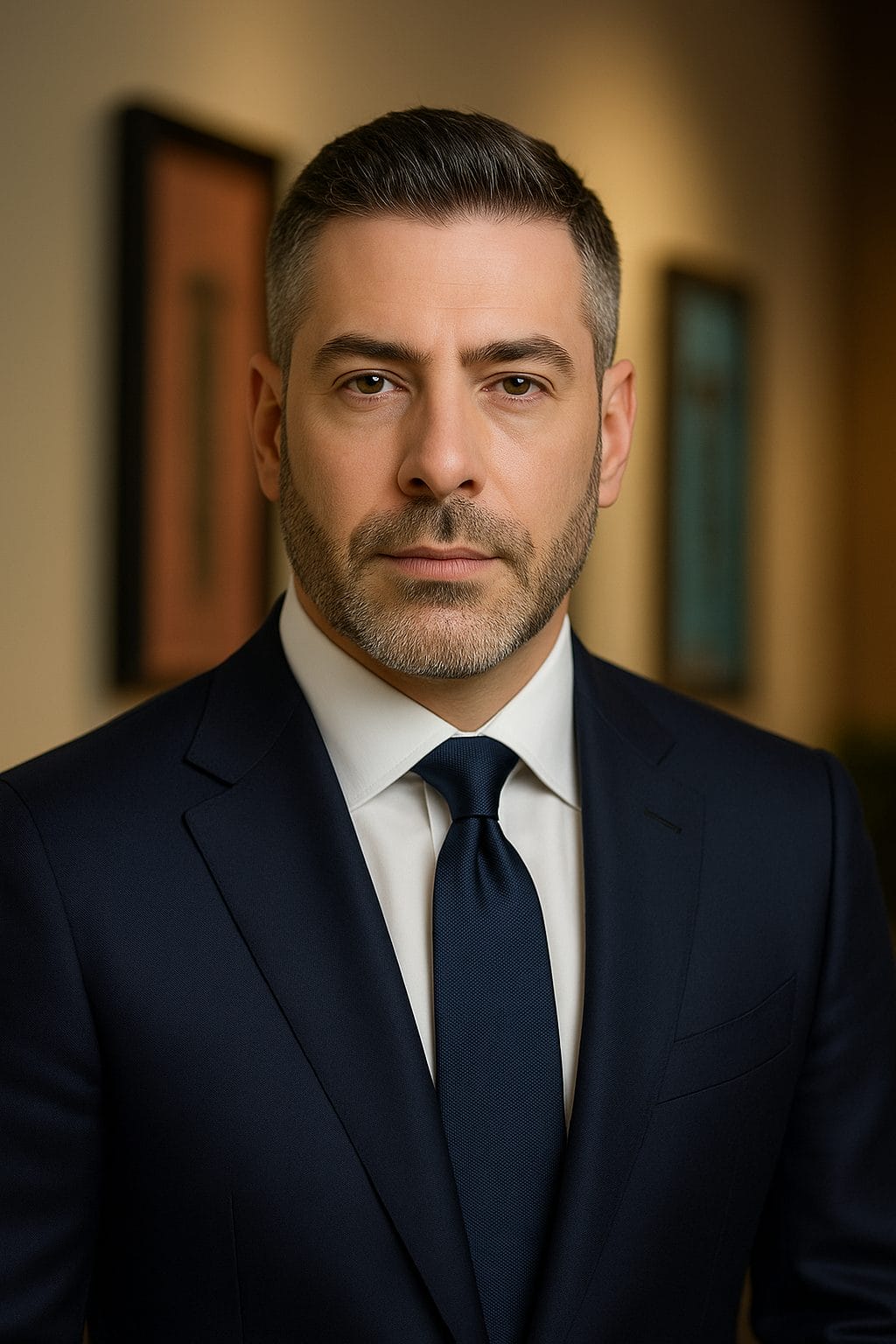
With almost three decades’ experience in domestic and global investment analysis, Dan M. Miller is a senior executive with Argo Wealth Management and Argo Futures Group in Cleveland. Honored at age 28 as one of Crain’s 30 Under 30, Dan M. Miller uses AI-derived data to make recommendations to institutional equity firms.
As the general partner and senior industrial equities analyst for Argo Wealth Management, he manages a team of advisors responsible for assets totaling $800 million. His team uses forecasting methods such as sensitivity analysis, which simulates possible economic events to guide their recommendations for hedge funds, mutual funds, and pension funds. Mr. Miller also investigates a firm’s distribution channels to determine whether enough people are using its products and services.
In his capacity, Dan Miller Argo Futures Group CEO and president, analyzes various business sectors in developing nations in Latin America and investigates opportunities in China. His team specializes in industrial sectors, including power generation, trucking, and heavy machinery. Also assessing domestic investments, they identify critical performance factors that affect equity earnings and tailor their presentations to each client’s interests. In addition, he oversees daily operations, sets budgets, creates lists of prospective customers, and stimulates team innovation.
What is your typical day, and how do you make it productive?
My day starts early, often before the sun comes up. I review global market developments, economic news, and any overnight changes that may impact our investment positions. From there, I usually transition into deep work—evaluating portfolio performance, reviewing AI-generated signals, and setting strategic priorities. I’m intentional about protecting my mornings from distractions. Meetings are pushed to the afternoon whenever possible, and I batch similar tasks to maintain focus.
How do you bring ideas to life?
I reverse-engineer them. I start with the end result I want, then work backward through the steps required to get there. I stress-test new ideas against real-world application early, especially when it comes to finance or tech. Once something passes initial scrutiny, I build infrastructure around it—processes, systems, and people—to make it scalable. I don’t believe in innovation for its own sake; ideas need to survive contact with reality.
What’s one trend that excites you?
The integration of conversational AI into traditionally relationship-driven industries like wealth management and private equity. We’re at the cusp of a new era where AI can handle highly personalized outreach, qualifying prospects, and even managing follow-up communication. That’s a game-changer for capital formation and client service models that haven’t evolved in decades.
What is one habit that helps you be productive?
Brutal prioritization. I’ve learned that productivity is less about doing more and more about doing what matters. I triage tasks constantly—if it won’t move the needle this week or this quarter, it doesn’t make the cut.
What advice would you give your younger self?
You don’t need anyone’s permission to play big. And stop wasting energy trying to impress people who aren’t even in the game. Trust your instincts, build leverage early, and protect your reputation—it’s your most valuable currency.
Tell us something you believe almost nobody agrees with you on?
That a strong gut instinct is often more reliable than a spreadsheet. The obsession with “data-driven” decisions often ignores the value of lived experience and pattern recognition, especially when data is incomplete or lagging.
What is the one thing you repeatedly do and recommend everyone else do?
Block off time every week to think—not plan, not execute, just think. We live in a reactive world where people confuse busyness with progress. Thinking time is where the real breakthroughs happen.
When you feel overwhelmed or unfocused, what do you do?
I simplify. I shut off the noise, get away from the desk, and reduce everything to its core question: “what actually matters right now?” Often, a 10-minute walk or a legal pad and a pen are all I need to recenter.
What is one strategy that has helped you grow your business or advance in your career?
Relationship arbitrage. I invest heavily in building and maintaining authentic relationships—especially with people outside my immediate industry. The best deals, introductions, and breakthroughs rarely come from cold outreach. They come from being top-of-mind with the right people at the right time.
What is one failure in your career, how did you overcome it, and what lessons did you take away from it?
Early in my career, I put too much trust in third-party advisors and not enough in my own judgment. A costly misstep taught me that delegation doesn’t mean blind faith. You can outsource tasks, but not responsibility. Ever since, I’ve built systems where transparency and accountability are baked in.
What is one business idea you’re willing to give away to our readers?
A concierge-level service for older business owners who are wealthy but not tech-savvy. Bundle AI automation, financial planning, and family governance under one umbrella, with a human advisor to help navigate it all. The wealth transfer happening over the next 15 years will be the largest in history—someone needs to hold that generation’s hand through it.
What is one piece of software that helps you be productive? How do you use it?
ChatGPT. I use it daily as a sounding board, a writing assistant, a research analyst, and even a second set of eyes on investment theses. It’s not perfect, but its value lies in how much faster it allows me to move from concept to execution.
Do you have a favorite book or podcast you’ve gotten a ton of value from and why?
Skin in the Game by Nassim Nicholas Taleb. It’s a rare book that doesn’t just inform but fundamentally changes how you view risk, responsibility, and incentives.
What’s a movie or series you recently enjoyed and why?
Succession. It’s a masterclass in power dynamics, psychology, and family dysfunction set against the backdrop of high finance. It’s fiction, but frighteningly accurate.
Key learnings
- Leverage matters more than effort; work smart, not just hard.
- Authentic relationships are often the hidden engine behind big wins.
- Thinking is a skill—schedule time for it, or you’ll default to reacting.
- Technology is a multiplier, but only if paired with judgment.
- Protect your name and reputation—it’s the only equity that truly follows you everywhere.