
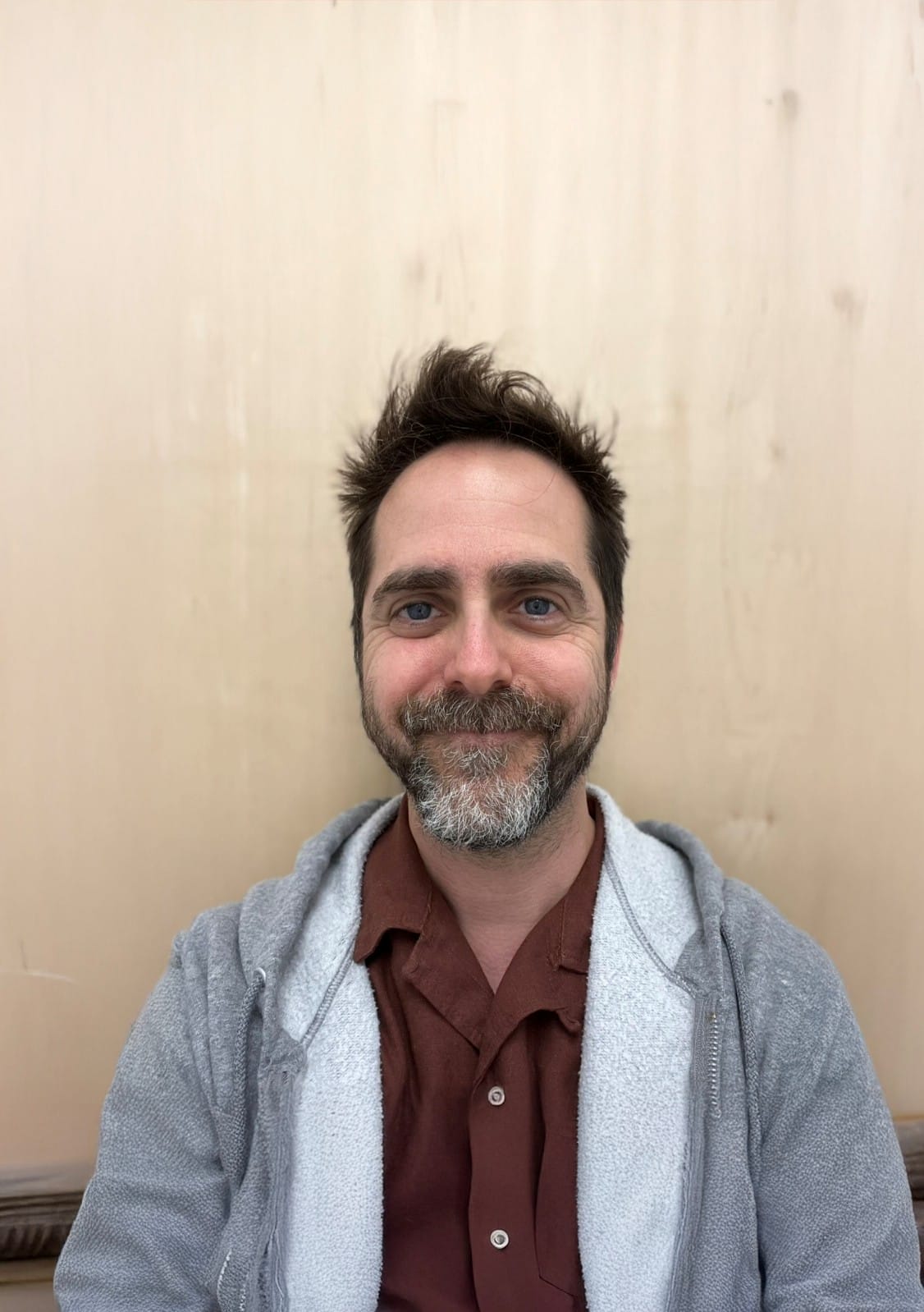
Daniel Matuk is a freelance graphic designer based in New York City, New York, who has built an impressive portfolio working with diverse clients including Three Six Zero Industries, Bardavon 1869 Opera House, and Crinkerland. His expertise spans conceptualizing and designing both digital and print materials, from social graphics and brochures to comprehensive handbooks.
Mr. Matuk’s multifaceted approach includes staying current with industry trends to ensure his projects reflect contemporary design standards. He collaborates effectively with cross-departmental teams to meet client expectations while managing multiple projects simultaneously. His client presentation skills enable him to deliver compelling marketing presentations that align with brand identities and leave lasting impressions.
His technical skills encompass graphic and marketing design, marketing collateral development, UX design, typography, publication design, and comprehensive brand design. Mr. Matuk also collaborates with web development teams to create cohesive digital experiences for clients.
As a freelancer, Daniel has expanded his reach working with notable clients including Blender Marketing, Jewell College, Polify.ai, Ultrasound.ai, MSDM Persceptions, Mahaiwe Performing Arts Center, Ulster Performing Arts Center, and The Director’s Studio. When not designing, he enjoys tending to his vegetable garden, baking, cooking, and making bread.
What is your typical day, and how do you make it productive?
Every day is started with a nice, hot coffee. It’s my daily ritual and eases me into the daily routine. I briefly look over a running to-do list to try and stay on top of things that need to get done. Then I prepare breakfast for my family. I spend the rest of the workday thoroughly embedded in graphic design tasks from many clients. After work, I spend a brief amount of time in the garden looking at the season’s plantings. I try and spend at least 30 minutes exercising either on a bike or treadmill. At the end of the day, I prepare dinner for my children and watch some Disney baking shows with them before bed. I try and keep productive by keeping a list of things that need to get done. In addition, I use project management software like Asana for my work to stay equally on task. Being able to check off items that have been completed is a nice reward for completing things that need to be addressed.
How do you bring ideas to life?
As a graphic designer, bringing ideas to life is a multilayered process that combines creativity with strategy, beginning with deep research and discovery to understand the problem, audience, and brand through listening and asking the right questions. The process moves into conceptual development, where ideas start as rough sketches, mind maps, or mood boards, exploring multiple directions and visual languages that could represent the concept. These abstract ideas then get translated into concrete visual elements—typography that conveys personality and hierarchy, color that evokes emotion, composition that guides the viewer’s eye, and imagery that supports the narrative. Through iterative refinement, designers create multiple versions and test different approaches, with each iteration bringing the concept closer to its strongest form. Technical execution follows, involving mastery of tools like Adobe Creative Suite or Figma to execute the vision with precision across different applications and formats. Throughout this entire process, collaboration and feedback with clients is essential, incorporating their insights while maintaining design integrity. The magic happens when all these elements come together to create something that not only looks compelling but also communicates effectively and resonates with its intended audience—essentially making the invisible visible and giving form to concepts that previously existed only in imagination.
What’s one trend that excites you?
AI-powered design tools that enhance rather than replace creativity could be incredibly exciting right now. These intelligent design assistants handle tedious tasks like background removal or generating logo variations, freeing you to focus on strategic and creative thinking that makes design truly impactful. What’s particularly exciting is how they’re becoming collaborative partners—AI can rapidly explore dozens of color palettes or typography pairings while you apply your expertise to select and refine what best serves your client’s needs. For someone like you who values both creative and strategic aspects of design, this trend could be a game-changer, making your workflow more efficient while actually elevating the quality of your creative output. The key is using these tools as creative amplifiers rather than crutches—which aligns perfectly with your collaborative, research-driven approach.
What is one habit that helps you be productive?
Keeping a calendar up to date is immensely helpful for planning out days, weeks, and the overall month. It’s a simple visual tool that helps keep things nice and organized.
What advice would you give your younger self?
Don’t give up and keep looking for work in Manhattan. Stay hungry and push pass slow work periods. A good career rarely falls in your lap. If you don’t constantly hustle and work to improve yourself and your work, you won’t experience any progressive movement.
Tell us something you believe almost nobody agrees with you on?
Reading actual books is reading and listening to audiobooks is not reading. Anyone I speak to on the matter considers audiobooks reading. How does that make any sense?
What is the one thing you repeatedly do and recommend everyone else do?
Cooking. Many people have no idea how to cook, don’t want to learn, and are content in ordering in food regularly, regardless of health or cost.
When you feel overwhelmed or unfocused, what do you do?
Take a walk. Clear my head. I find just standing and walking away from the task helps to refocus or unburden my mind on what I’m doing.
What is one strategy that has helped you grow your business or advance in your career?
Having a website/portfolio to reference has been an immensely helpful tool. It is the first thing that is required and asked for in all job applications and interviews in my field. Once I spent some time really focusing and building that up into an impressive overall piece, work prospects finally started improving.
What is one failure in your career, how did you overcome it, and what lessons did you take away from it?
One failure in my graphic design career was early on when I took on a branding project without properly defining the scope or getting a solid brief. I was eager to impress and said yes to everything the client asked—even as the project kept shifting direction. Eventually, the client was frustrated, I was burned out, and the final work wasn’t as strong as it could’ve been.
How I overcame it was by stepping back, acknowledging the disconnect, and initiating an honest conversation with the client. I took responsibility, clarified expectations, and we reset the project with a clearer structure. The final result improved significantly, and the client appreciated the transparency.
What I learned was the value of clear communication, boundaries, and process. Since then, I always start projects with a thorough discovery phase, use written contracts and briefs, and make sure both sides agree on direction before jumping into design. It taught me that being a good designer isn’t just about visuals—it’s also about guiding clients with clarity and professionalism.
What is one business idea you’re willing to give away to our readers?
An app to find local at-home bakers for hire.
What is one piece of software that helps you be productive? How do you use it?
As a graphic designer, I use Asana to stay organized and manage my projects more efficiently. I create separate boards for each client or major project, breaking them into clear stages like discovery, concept development, revisions, and final delivery. Each task is broken down into smaller steps with due dates, so I always know what to focus on next and nothing falls through the cracks. I also attach reference files, feedback, and design assets directly to the tasks, which keeps everything in one place and easy to access. Asana helps me visualize my workload, prioritize tasks, and stay on top of deadlines—especially when juggling multiple clients or collaborating with teams. It’s become an essential tool for keeping both my creative process and communication organized.
Do you have a favorite book or podcast you’ve gotten a ton of value from and why?
I read a lot, and Brandon Sanderson is one of my favorite authors. It’s because he builds such rich, detailed worlds that feel completely immersive. His magic systems are always creative and well thought-out—they have rules and limitations that make them feel real, almost scientific. I also love how his stories are layered with mystery and long-term payoffs; you can tell he’s planned everything out far in advance. The characters are complex and relatable, and the way he explores themes like leadership, morality, and identity really sticks with me. Plus, his pacing is spot-on—it’s easy to get hooked and hard to put his books down.
What’s a movie or series you recently enjoyed and why?
I’d say Blue Eye Samurai. It’s one of the most visually stunning and emotionally intense shows I’ve seen in a while. The animation is gorgeous and cinematic, but it’s not just style—the story has real depth. It blends historical fiction with a revenge-driven narrative that feels both personal and epic. The main character is incredibly compelling—flawed, fierce, and driven—and the show explores themes like identity, gender, and vengeance in really bold ways. Every episode feels purposeful, and the emotional weight builds in a way that stays with you long after the credits roll.
Key learnings
- Establishing clear project scopes, written briefs, and strong client communication are essential to avoid burnout and deliver successful design outcomes.
- A consistent daily routine, combined with tools like Asana and a well-maintained calendar, helps maintain productivity and balance across personal and professional life.
- Embracing AI-powered design tools as creative enhancers—not replacements—can streamline workflows and elevate design quality.
- Building a strong, strategic portfolio website is a key driver in career growth and attracting new opportunities in the design industry.
- Taking breaks, such as walking or spending time in the garden, is an effective way to reset focus and avoid creative fatigue.