
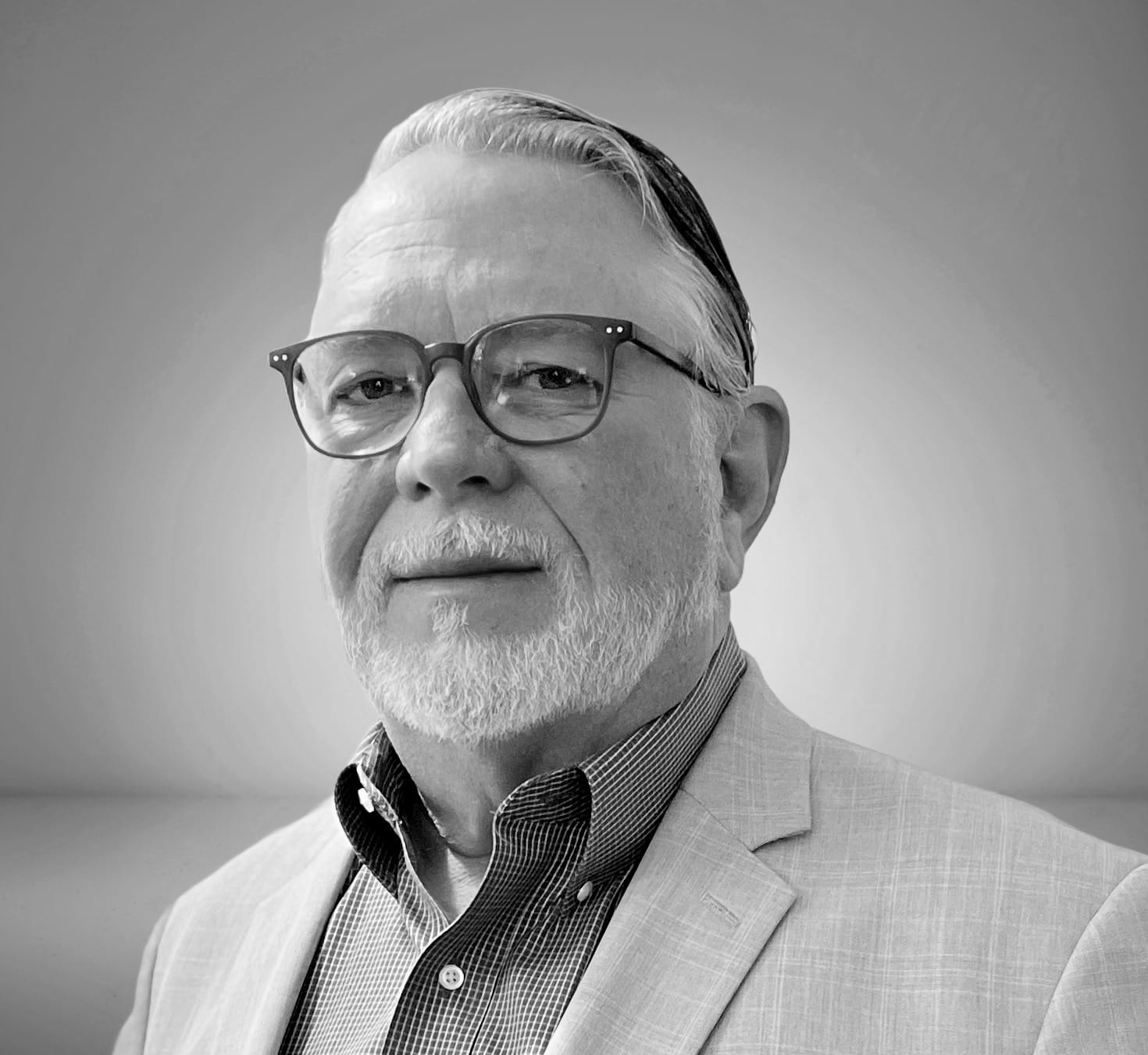
David Johnson grew up on a cattle farm in southern Oklahoma, raised by his grandparents. Life was simple, and money was tight, but those early lessons in hard work and resilience stayed with him. He didn’t know it then, but they would one day guide him through some of the most complex tech transformations in America’s energy sector.
He got his start in IT in the late 1980s, running data centre operations for American Airlines. From there, he moved through a series of high-pressure roles—from managed services at Deloitte to grid operations at ERCOT, the organisation that runs Texas’s electricity market.
At ERCOT, he was part of a major shift: helping to redesign the tech behind Texas’s move to a deregulated energy market. With millions of transactions a day and dozens of players involved, the stakes were high. David helped build the systems that made that modern market possible.
Later, at EPB in Chattanooga, he helped pioneer one of the first automated electric grids in North America. At Austin Water, he led digital transformation as CIO, overseeing everything from cloud strategy to cybersecurity.
David’s story is not about loud victories. It’s about steady leadership, smart systems, and long-term thinking. He’s helped modernise infrastructure that millions rely on—often without knowing his name.
Today, he still works the family farm. The tools have changed, but the mindset hasn’t. Build things that last. Stay calm under pressure. Always look one step ahead.
What is your typical day, and how do you make it productive?
David starts early. Most days begin around 5:30 a.m., often with time spent checking weather conditions for the family farm. By 7 a.m., he’s reviewing incident reports, performance logs, or project timelines. His mornings are for thinking work—strategy planning, architecture reviews, or writing proposals. Afternoons are filled with team meetings and vendor calls.
He keeps a running list of “quick wins” versus “deep-focus” tasks and schedules accordingly. “I knock out the simple stuff first,” he says, “so I can carve out space for the more strategic work without distraction.”
How do you bring ideas to life?
David relies on frameworks. He’s a fan of building concept roadmaps and stress-testing ideas through structured stakeholder feedback. One example: at Austin Water, he used cloud adoption roadmaps to secure buy-in for virtual workplace infrastructure. “You can’t just pitch an idea,” he says. “You have to show how it’ll work, what it costs, and who it helps.”
What’s one trend that excites you?
He’s particularly drawn to predictive analytics in infrastructure. “We’re just scratching the surface,” he says. “From water main break prediction to load balancing based on weather shifts, we can prevent so many failures before they happen.”
What is one habit that helps you be productive?
David swears by daily briefing logs—a single-page recap of yesterday’s key activities and today’s must-dos. He keeps it low-tech: a printed sheet next to his keyboard. “It keeps me centred when things start moving fast.”
What advice would you give your younger self?
“Don’t be afraid to look people in the eye.” As an introvert, he struggled early in his career with communication. Over time, he learned that transparency and presence were just as important as technical skill.
Tell us something you believe almost nobody agrees with you on?
He believes IT leaders should spend time in field ops. “If you’re supporting the grid or water systems, you should at least once stand in a control room or at a pumping station. It’s the only way to understand what you’re protecting.”
What is the one thing you repeatedly do and recommend everyone else do?
Invest in cross-training your team. “Every system has a single point of human failure. You’ve got to build resilience into your people too.”
When you feel overwhelmed or unfocused, what do you do?
He heads to the barn. “Fixing a fence or checking cattle reminds me that most problems aren’t as urgent as they feel.”
What is one strategy that has helped you grow your business or advance in your career?
He always prioritised operational credibility. “At ERCOT, I gained trust because I knew the system from the inside out. When I made a call, people listened—not because of my title, but because I’d been in the trenches with them.”
What is one failure in your career, how did you overcome it, and what lessons did you take away from it?
In his early days managing service delivery for multiple clients, David once oversold a platform integration timeline. “We were a month late and the client lost trust.” Since then, he’s built buffer time into all timelines and never promises what can’t be delivered.
What is one business idea you’re willing to give away to our readers?
A digital training platform that simulates utility control room scenarios for IT staff. “Most cyber incidents come from people not understanding context. This would bridge that gap.”
What is one piece of software that helps you be productive? How do you use it?
Grafana. “Real-time dashboards save hours of hunting. One glance tells me what’s working and what’s not.”
Do you have a favorite book or podcast you’ve gotten a ton of value from and why?
“The Grid” by Gretchen Bakke. “It gives people an honest look at how complex modern infrastructure really is—and how fragile.”
What’s a movie or series you recently enjoyed and why?
“The Dropout.” He appreciated how it showed the risks of hype-driven tech without operational rigour. “It’s a reminder that integrity always matters.”
Key learnings
- Small daily habits, like printed logs and cross-training, can lead to long-term team resilience.
- Operational credibility builds trust faster than titles or credentials.
- Balancing traditional infrastructure with emerging tech requires both deep listening and strong frameworks.
- Knowing the people and systems behind the technology helps leaders design smarter, safer solutions.
- Mistakes teach timing, humility, and the importance of honest planning.